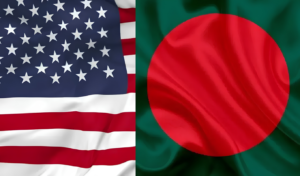
The Office of the United States Trade Representative (USTR) has proposed imposing new tariffs on 14 countries, including Bangladesh, alongside all member states of the European Union. Announced on Wednesday, 25 November, the recommendation follows a comprehensive investigation into excess industrial capacity and trade practices across 16 nations.
According to the USTR’s findings, certain domestic economic and industrial policies pursued by Bangladesh have become detrimental to American businesses, domestic employment, and investment growth. The trade body argued that these measures actively hinder the expansion of US industries, particularly within the textile and ready-made garment sectors—Bangladesh’s primary export lifeline to the American market.
The USTR report outlines four central grievances against Dhaka’s current trade framework:
Export Subsidies and Capacity Expansion: Bangladesh is actively planning to expand its factory infrastructure while providing direct financial incentives and subsidies for exported goods, which Washington views as market-distorting.
Inadequate Labour Protections: Authorities have failed to implement sufficient safeguards and standards to protect workers across industrial sectors.
Financial Sector Controls: Strict regulations within the banking and financial systems are structured to favour export-oriented industries and select preferred sectors over broader market competition.
Third-Country Supply Chain Reliance: Bangladesh has failed to stem the influx of low-cost materials and investments from non-market or third-party economies—specifically China—which are subsequently used to manufacture finished goods exported to the United States.
On the basis of these allegations, Washington has proposed slapping a tariff exceeding 18 per cent on Bangladeshi imports. However, the USTR clarified that the measure is not immediate. Bilateral consultations with Dhaka and broader economic considerations will take place before any final enforcement, and certain specified product categories are expected to remain exempt from the duty.
Due to mandatory procedural reviews and upcoming diplomatic discussions, trade analysts indicate that the proposed tariffs are unlikely to take effect before January. Nevertheless, the prospect of steep duties in its largest single-country export destination poses a significant challenge for Bangladesh’s vital garment manufacturing sector.