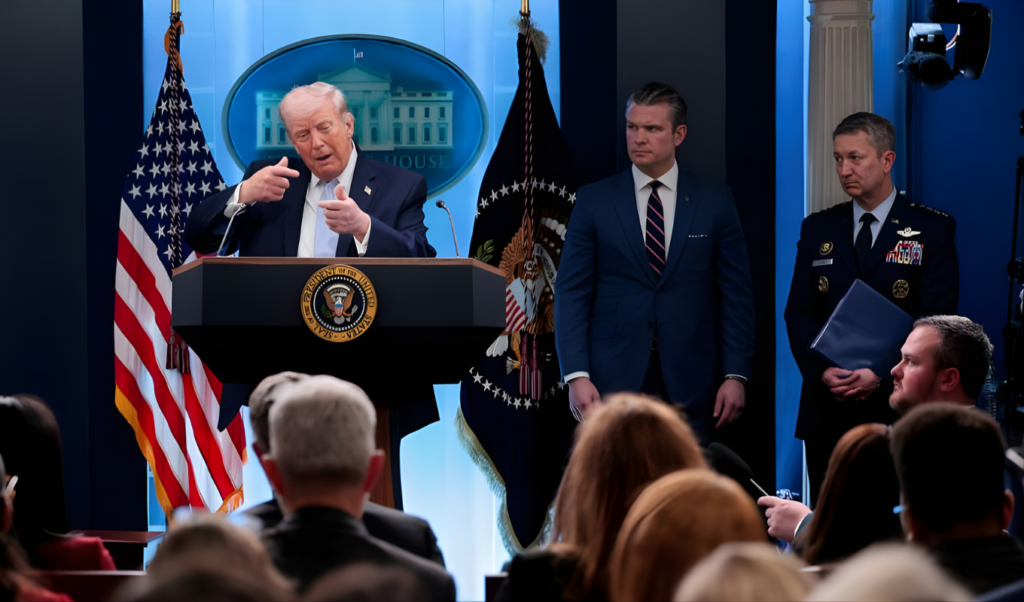
Following the collapse of high-level discussions in Islamabad, the United States and Iran are reportedly considering a return to the negotiating table. However, the American administration has established two specific prerequisites that must be met before formal dialogue resumes. US President Donald Trump has indicated that a new round of negotiations could commence within forty-eight hours, asserting that authoritative Iranian representatives have contacted Washington expressing a desire to reach a formal settlement.
The Stipulated Conditions for Dialogue
According to Israeli media outlets citing diplomatic sources, the United States has focused its demands on maritime security and the political mandate of the Iranian delegation.
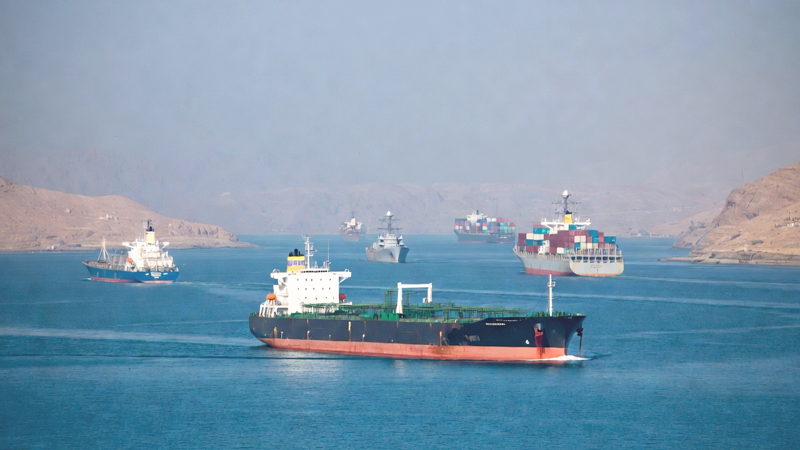
The first condition involves the Strait of Hormuz, one of the world’s most critical maritime chokepoints for global oil transit. Washington demands that the waterway be kept entirely open and free from obstruction. The US has adopted a policy of “reciprocity” regarding this matter; should Iran interfere with the passage of international shipping or oil tankers, the United States intends to ensure that Iranian vessels face similar restrictions on their movements.
The second condition pertains to the authority of the Iranian negotiators. The US requires that the Iranian delegation possesses the explicit endorsement of the Islamic Revolutionary Guard Corps (IRGC). This measure is intended to guarantee that any agreement reached in Islamabad or subsequent venues carries the full weight of Iran’s military and political establishment, preventing internal domestic factions from undermining a potential final treaty.
Conflict Timeline and Strategic Context
The current diplomatic friction follows a period of significant military escalation. On 28 February, the United States and Israel initiated a joint military operation targeting Iranian nuclear facilities and missile development sites. This campaign lasted for forty days, concluding on 7 April when both parties entered into a fourteen-day ceasefire.
| Event / Factor | Details and Specifications |
| Start of Joint Operations | 28 February |
| Duration of Conflict | 40 Days |
| Ceasefire Commencement | 7 April |
| Ceasefire Duration | 14 Days |
| Primary US Demand (Maritime) | Unhindered access through the Strait of Hormuz |
| Primary US Demand (Political) | IRGC-authorised delegation with finality of power |
| US Strategic Policy | Principle of Reciprocity |
Iranian Response and Diplomatic Stance
Despite Washington’s optimistic projections regarding a two-day timeline for talks, Tehran has maintained a guarded and largely dismissive stance. Iranian officials have yet to comment formally on the two specific conditions set by the US. Furthermore, Iran has officially denied claims that a new round of talks is imminent, reiterating their long-standing position that the United States is not a trustworthy partner at the negotiating table.
As the fourteen-day ceasefire approaches its conclusion, the international community remains focused on whether these diplomatic hurdles can be cleared. The insistence on IRGC involvement highlights a US shift towards seeking “total” agreements that include Iran’s most powerful paramilitary and economic institutions, while the focus on the Strait of Hormuz underlines the persistent threat the conflict poses to global energy security. Without a breakthrough in the coming days, the regional security environment remains precarious.