The United States has spent more than $48 billion on its war against Iran, with the costs covering military operations, weapons and the replacement of military equipment since the conflict began in late February this year. However, the figure does not include the cost of repairing US military installations damaged by Iranian attacks across the Middle East, suggesting that Washington’s overall financial burden could be considerably higher.
The Turkish news agency Anadolu Agency reported that the figure was disclosed by a Pentagon official during a recent hearing before the US Senate. The official, Arthur Miller, was nominated to serve as Assistant Secretary of the Navy for Financial Management and Comptroller.
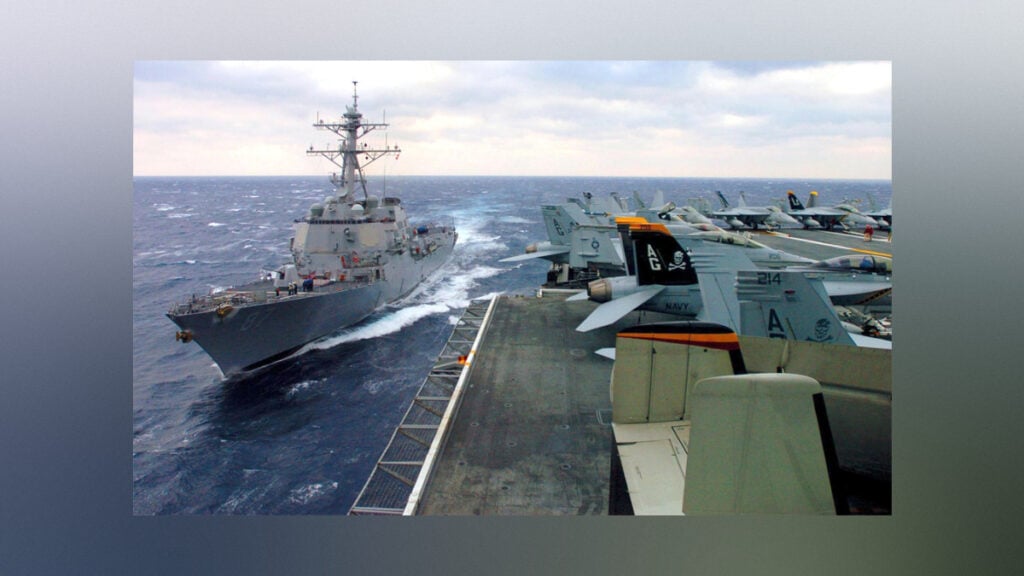
Speaking before the Senate Armed Services Committee during his confirmation hearing, Miller provided lawmakers with an account of the financial burden associated with the military campaign against Iran. He said the reported expenditure covered three main areas: the cost of weapons, the replacement of military equipment and expenses incurred in conducting military operations.
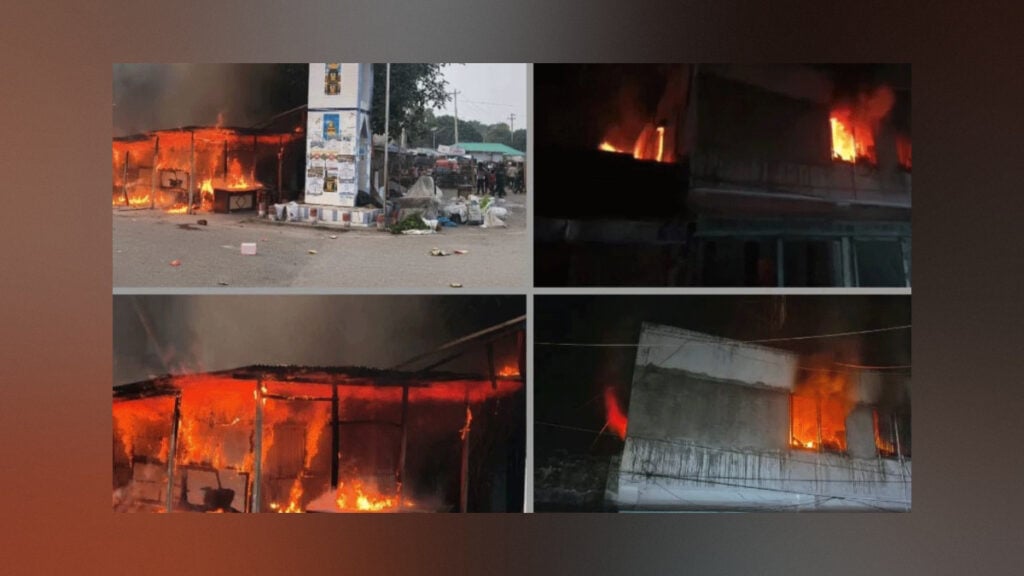
However, the estimate does not account for the additional expenditure required to repair US military facilities damaged during Iranian attacks in the region. These costs could add substantially to the overall bill, particularly as the full extent of the damage and the resources required for restoration have yet to be established.
During the hearing, Democratic Senator Richard Blumenthal questioned Miller about whether the reported figure included the cost of repairing damaged American military installations. Miller acknowledged that these expenses had not been incorporated into the existing calculation.
He also admitted that he did not have an estimate of how much additional funding would be required for the repairs. As a result, the $48 billion figure represents only part of the financial impact of the conflict and should not be regarded as a comprehensive assessment of the war’s total cost.
The disclosure is significant because military conflicts place financial pressure on governments well beyond the immediate costs of deploying troops and using weapons. Replacing military equipment, replenishing ammunition stocks and restoring damaged facilities can create substantial additional demands on defence budgets. In the case of the Iran conflict, the exclusion of infrastructure repair costs leaves an important part of the financial picture unresolved.
The scale of the expenditure also raises questions about the longer-term financial implications for the US military. If hostilities continue or further damage is inflicted on American facilities, Washington could face additional expenses related to military operations, equipment replacement and infrastructure restoration. However, no official estimate of these potential future costs was provided during the hearing.
The conflict began on 28 February this year, when the United States and Israel launched strikes against Iran. The attacks triggered a wider confrontation, with retaliatory actions contributing to escalating tensions across the Middle East.
A ceasefire was reached between the two sides in April, offering a temporary pause in the fighting. However, diplomatic efforts subsequently stalled, and hostilities between Washington and Tehran resumed. The two countries had also signed a memorandum of understanding in June, but the agreement did not prevent further confrontation.
The latest figures disclosed to the Senate provide a clearer indication of the financial resources already committed by the United States to the conflict. Yet, with the cost of repairing damaged military installations still unaccounted for, the final price of the war remains uncertain.