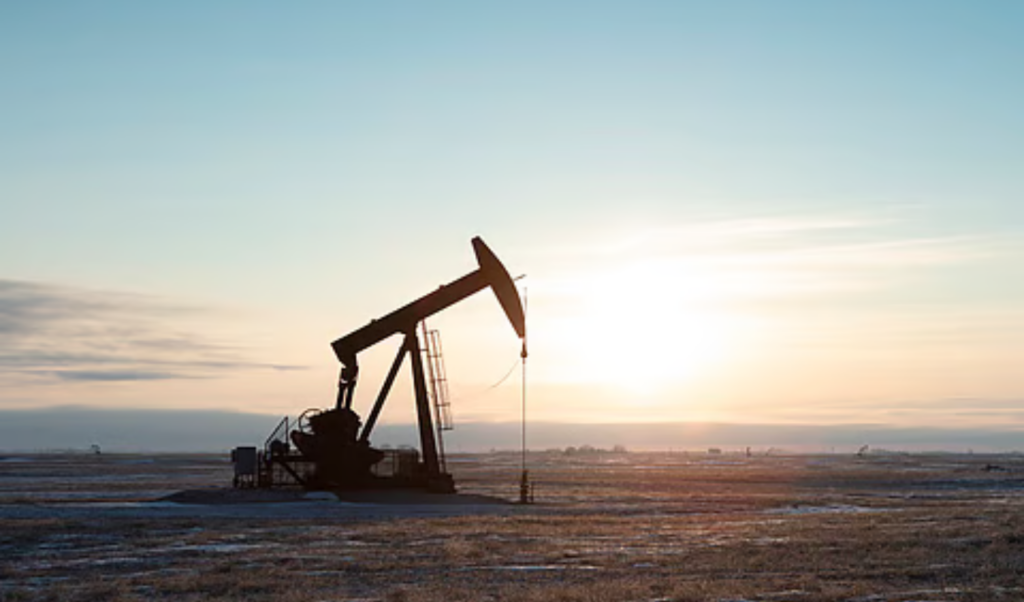
Countries around the world are continuing to plan increases in fossil fuel production at levels incompatible with global climate commitments, according to new research published on Monday.
The report, compiled by more than 50 international researchers, compares projected fossil fuel expansion against the goals of the Paris climate accord and highlights a significant gap between pledges and reality.
“Countries are now collectively planning even more fossil fuel production than two years ago,” the latest Production Gap report concluded.
Study co-author Derik Broekhoff, of the Stockholm Environment Institute (SEI), told reporters:
“There continues to be a disconnect between climate ambitions and what countries are actually planning to do with fossil fuel production.”
Under the Paris Accord, nations agreed to:
- Limit global temperature rises to well below 2°C above pre-industrial levels
- Strive for a safer limit of 1.5°C
The report found that projected 2030 production of coal, oil, and gas exceeds levels compatible with the 1.5°C target by over 120%, and overshoots the 2°C target by 77%.
The study, conducted by SEI, Climate Analytics, and the International Institute for Sustainable Development, involved dozens of researchers and found that the gap has widened since the last report in 2023, the same year countries pledged at UN COP28 in Dubai to “transition away” from fossil fuels.
Several factors are driving the continued expansion:
- Demand for gas, which is mostly methane, a potent greenhouse gas, has surged
- China’s projected decline in coal use has slowed
All signatories to the Paris Accord are expected to submit updated climate targets and detailed emission reduction plans ahead of UN COP30 in Brazil in November.
The report stresses that nations: “Must commit to reversing the continued expansion of global fossil fuel production in these crucial national climate plans.”
“The continued collective failure of governments to curb fossil fuel production and lower global emissions means that future production will need to decline more steeply to compensate.”
Since the Industrial Revolution, the large-scale use of coal, oil, and fossil gas has been the primary driver of human-induced global warming.
Among the 20 largest fossil-fuel producing nations — including major oil and gas powers like the United States, Saudi Arabia, and Russia — the report found:
| Metric | Findings |
| Nations planning to increase production by 2030 | 17 out of 20 |
| Nations planning to produce more of at least one fossil fuel than two years ago | 11 out of 20 |
| Fossil fuel types analysed | Coal, oil, natural gas |
| Overshoot of 1.5°C-compatible production | +120% |
| Overshoot of 2°C-compatible production | +77% |
The Production Gap Report highlights a growing misalignment between national climate ambitions and actual fossil fuel production plans, signalling that more aggressive measures will be required to meet global temperature targets.
The continued expansion of coal, oil, and gas threatens to undermine progress on climate goals, making the upcoming UN COP30 summit a critical moment for nations to commit to meaningful reductions in fossil fuel production.