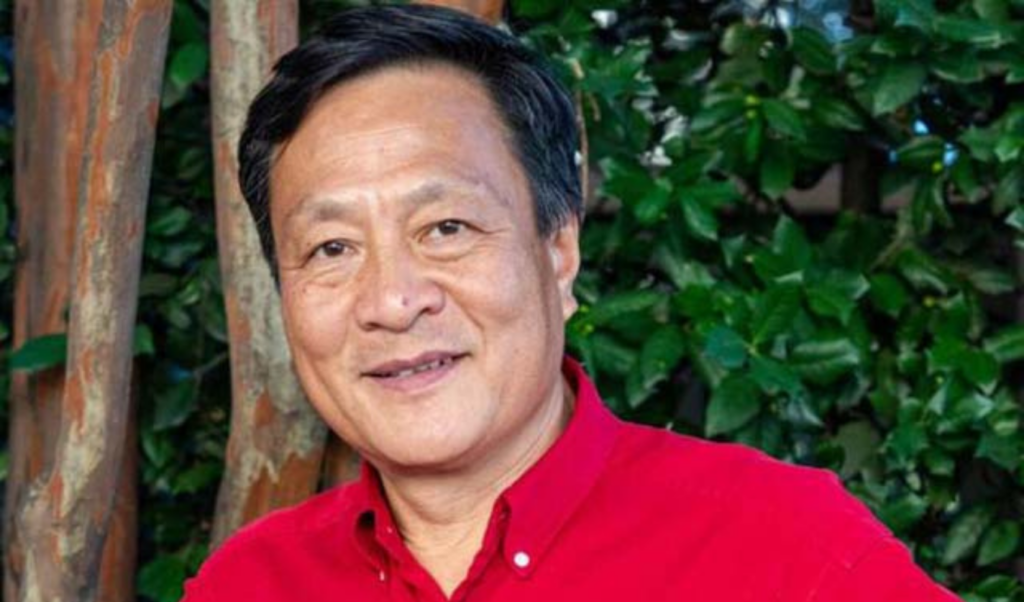
Chinese landscape architect Kongjian Yu, celebrated for his innovative “sponge cities” that mimic natural ecosystems to manage urban water, has tragically died in a plane crash in Brazil. The accident also claimed the lives of two filmmakers documenting his work and the pilot, authorities confirmed on Wednesday.
Yu, aged 62, was widely recognised as a leading figure in sustainable urban planning. His “sponge cities” concept replaces conventional concrete surfaces with natural features that absorb and store rainwater, helping mitigate flooding in urban areas. This approach has gained global acclaim for combining environmental protection with enhanced urban living.
He was in Brazil for the production of a documentary on his work when the small plane crashed late on Tuesday in Mato Grosso do Sul state. The cause of the accident has not yet been determined, according to local police.
Victims of the Crash
| Name | Role | Notes |
| Kongjian Yu | Architect | Pioneer of sponge cities |
| Luiz Fernando Feres da Cunha Ferraz | Filmmaker | Documenting Yu’s work |
| Rubens Crispim Jr | Filmmaker | Documenting Yu’s work |
| Pilot | Aircraft owner | Cause of crash under investigation |
Brazilian President Luiz Inacio Lula da Silva expressed his “sadness and dismay” upon hearing the news. On social media platform X, he commented: “In times of climate change, Kongjian Yu has become a global reference with his sponge cities, which combine quality of life and environmental protection: something that we want—and need—for the future.”
The Brazilian Council of Architecture and Urbanism, which recently hosted Yu as a speaker at an international conference, highlighted his global influence:
- The sponge cities concept has been applied in over 1,000 projects across 250 cities.
- His contributions have shaped environmental public policies in China and beyond.
The council issued a formal statement expressing condolences to Yu’s family, friends, and colleagues, recognising the profound impact of his work on urban sustainability.
Kongjian Yu’s passing marks a significant loss for the global architecture and urban planning community, leaving behind a legacy of innovative approaches that continue to inspire resilient, climate-adaptive cities worldwide.