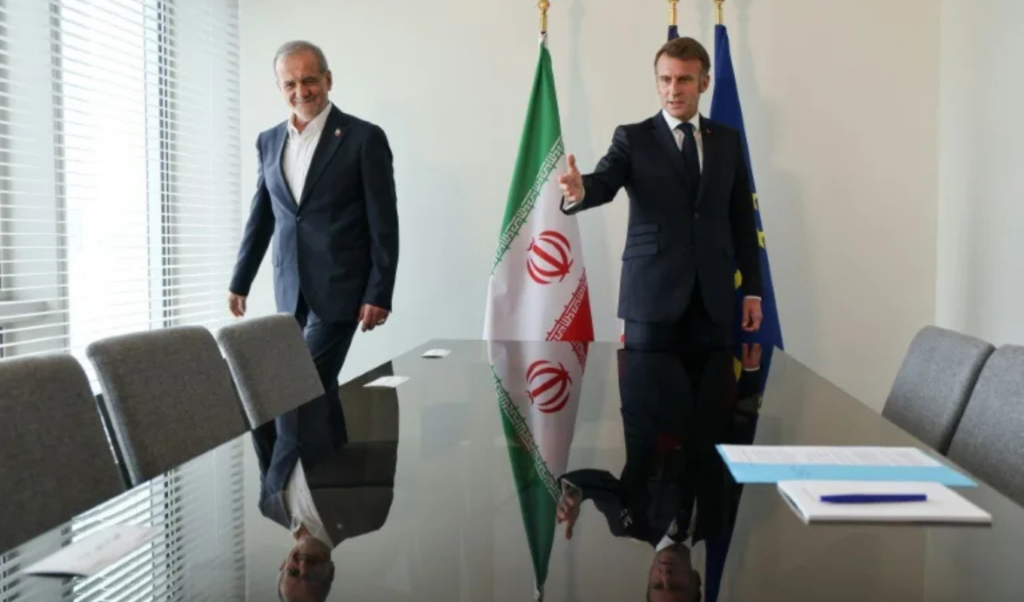
Iran is on the brink of facing sweeping UN sanctions for the first time in a decade, following the collapse of nuclear talks with Western powers. Unless a last-minute breakthrough occurs, the sanctions will be reimposed at 0000 GMT on Sunday (8:00 pm Saturday, New York time), marking the formal return of punitive measures under the UN’s “snapback” mechanism.
Background of the Sanctions
| Key Element | Details |
| Sanction Mechanism | “Snapback” of UN sanctions suspended under the 2015 nuclear deal |
| Triggering Nations | Britain, France, Germany |
| Iran’s Response | Recalled envoys from the three European capitals |
| Scope of Sanctions | Global ban on cooperation with entities tied to Iran’s nuclear or ballistic missile programme |
The sanctions follow accusations by European powers that Iran failed to be transparent about its nuclear activities, particularly after countermeasures in response to Israeli and US bombings.
The UN nuclear watchdog confirmed on Friday that inspectors had been allowed to return to Iranian facilities, but Western nations deemed the step insufficient after a week of high-level diplomacy at the UN General Assembly.
Iranian President Masoud Pezeshkian expressed frustration, insisting that pressure from Israel and the United States had undermined chances of compromise: “If the goal had been to resolve concerns on the nuclear programme, we could easily do that. Iran will never pursue nuclear weapons.”
Pezeshkian revealed that France proposed Iran surrender its stockpile of highly enriched uranium in exchange for a one-month delay to sanctions. He rejected the idea: “Why would we put ourselves in such a trap and have a noose around our neck each month?”
He further accused Washington of pressing Europeans to avoid compromise, while dismissing US negotiator Steve Witkoff as “not serious” and prone to backtracking.
Diverging International Views
| Country/Bloc | Position on Sanctions |
| Russia | Declared the sanctions “null and void”; attempted to delay until April (failed) |
| China | Supported Russia’s call for delay |
| United States | Enforces unilateral sanctions, particularly targeting Iranian oil |
| Europe (UK, France, Germany) | Initiated snapback citing Iran’s non-compliance |
| Israel | Advocates no delay; hints at further strikes on Iranian nuclear sites |
Russia’s Deputy Ambassador Dmitry Polyansky condemned the reimposition, stressing Moscow’s partnership with Tehran. Meanwhile, China and Russia sought a delay at the UN Security Council but could not secure enough votes.
The United States, already operating under a “maximum pressure” strategy since Donald Trump’s 2018 withdrawal from the 2015 nuclear deal, continues efforts to deter global companies from purchasing Iranian oil — a measure largely defied by Chinese firms.
The International Crisis Group (ICG) assessed that Tehran has already adapted to crippling US sanctions, but warned that the UN snapback is more difficult to reverse and would further damage Iran’s fragile economy:
- High inflation
- Currency instability
- Worsening infrastructure crisis
Israeli Prime Minister Benjamin Netanyahu, in a defiant UN address, urged immediate enforcement and signalled readiness for renewed strikes on Iranian nuclear facilities — recalling Israel’s June bombing campaign, which Tehran claims killed more than 1,000 people.
President Pezeshkian countered that Iran would not withdraw from the Nuclear Non-Proliferation Treaty (NPT), stressing that certain powers sought a “superficial pretext to set the region ablaze.”
In essence, the sanctions signal a deepening rift in nuclear diplomacy: while Western and Israeli pressure mounts, Tehran positions itself as defiant, Moscow and Beijing stand opposed, and the Middle East remains on edge.