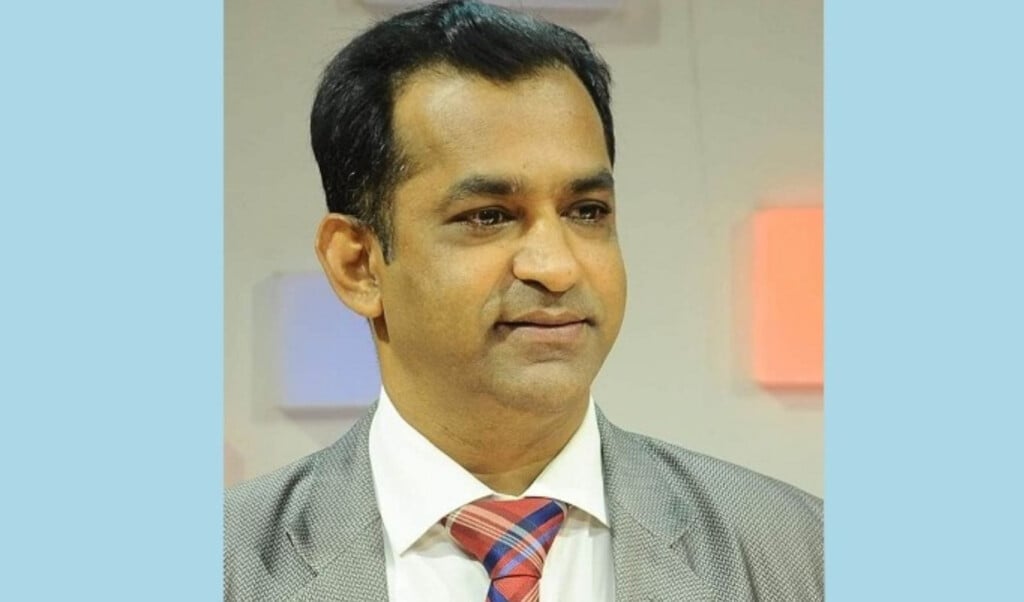
Physician and political analyst Dr Sakhawat Hossain Sayant has firmly stated that, regardless of differing opinions, the national election must take place in February. According to him, there is no alternative to holding the polls, as no stakeholder stands to benefit if elections are not held—rather, everyone would face greater risks.
He made these remarks during a recent television talk show. “Elections Are Compulsory for the Government”
Dr Sayant stressed that members of the current government must rely on the upcoming election to secure their safety and safe exit, potentially by ensuring indemnity in the next parliament. He explained: “For those connected with the government, this election is obligatory. Without it, apart from a few who may leave for foreign countries under special considerations, no one should expect to remain outside prison—not the advisers, nor the policymakers of this administration.”
He further noted that the military has, from the very beginning, made it clear that elections must be held inside the country and through a democratic process. The armed forces wish to return to the barracks, and cannot be expected to remain deployed on the streets for months or years.
Regarding political parties, Dr Sayant observed that while a few groups issue conditions such as refusing to participate without a certain symbol or proportional representation system, these are strategic tactics rather than genuine ultimatums. “These stances are designed merely to remain visible in political discussions or to exert pressure on other stakeholders. Ultimately, they too will participate in the elections.”
Who Benefits and Who Loses if Elections Are Delayed?
According to Dr Sayant:
| Beneficiaries if Elections Are Not Held | Those Who Will Suffer |
| Fallen, fugitive, killer, fascist groups | Political stakeholders |
| Their foreign backers, particularly India | General population |
| State institutions |
He concluded that only destructive groups and their patrons would gain from the absence of elections, while everyone else in the nation would be harmed. Hence, there is no real challenge to the election being held in February.
The real concern, Dr Sayant argued, is whether the election will be free, fair, and credible. Even within that framework, participatory inclusiveness becomes a factor.
He pointed out several critical issues:
- Lack of proper coordination between the administration, police, government, and Election Commission.
- Questions about whether the election can be conducted credibly or if law and order can be maintained without strong security measures.