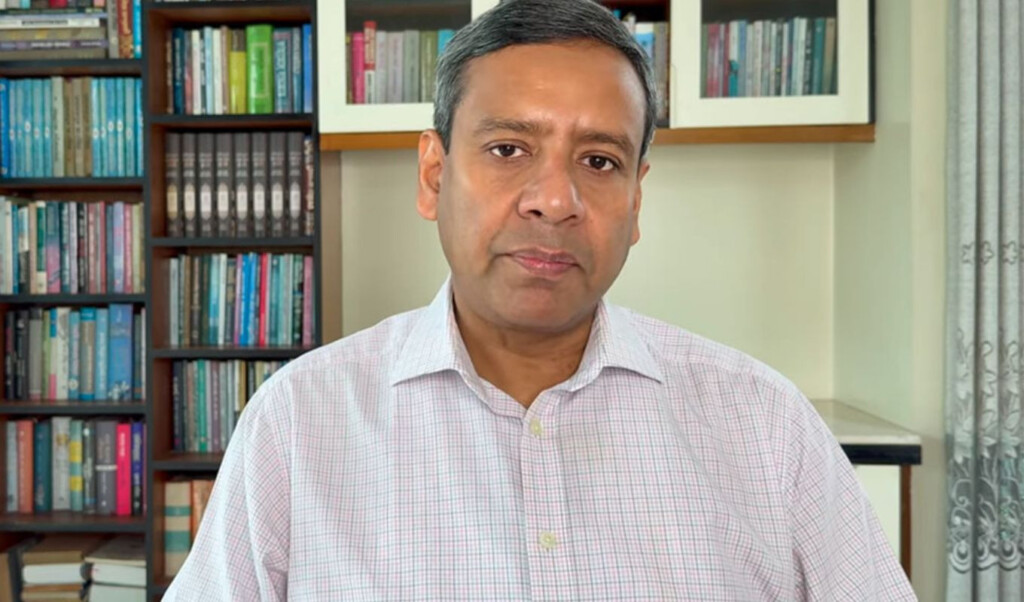
Political analyst and former Member of Parliament, Golam Mawla Roni, has expressed rising alarm regarding the political activities of Jamaat-e-Islami. He suggests that Jamaat’s recent behaviour, body language, mindset, and statements indicate complete confidence in their strategy to seize power in the upcoming elections.
Roni notes a general perception among the Bangladeshi public that while Dr. Muhammad Yunus appears to be in the forefront of power, it is Jamaat that is pulling the strings from behind. He discussed these points in a video message posted on his YouTube channel.
Roni claims that Jamaat has strategically occupied nearly all important positions and offices, often defeating BNP in the process. This control extends from district to sub-district, sub-district to municipal level, union councils to secretariat, and even judicial and diplomatic posts.
| Level | Claimed Jamaat Influence |
| District & Sub-District | Strategic positions largely under Jamaat control |
| Municipal & Union Councils | Advisors and key officials influenced by Jamaat |
| Secretariat & Judiciary | Decision-making largely guided by Jamaat directives |
| Diplomatic Posts | Narrative shaping and influence reportedly extends to embassies |
According to Roni, Jamaat’s narratives—whether against BNP, Dr. Yunus, or the Awami League—have effectively become marketed and viral, gaining traction on YouTube and Facebook.
Roni states that the Jamaat Amir has become a central figure of all power, with businesspeople, bureaucrats, diplomats, and politicians seeking his guidance and support. However, he notes that key figures such as Mirza Fakhrul, Tarique Rahman, or Begum Zia are not part of this convergence, highlighting a rigid political reality.
Roni reports that Jamaat leaders are increasingly vocal about their intentions, including:
- Implementation of Sharia law in Bangladesh
- Enforcement of hijab and burqa, covering women’s faces and bodies
- Restricting cultural and recreational activities for women, including music, dance, and entertainment
He warns that those promoting these policies have not considered the historical or global implications, making Jamaat’s politics appear oppressive and alarming to the general population.