Experts have tipped Swiss postmodernist novelist Christian Kracht and Australians Gerald Murnane and Alexis Wright as frontrunners for the 2025 Nobel Literature Prize, AFP reported ahead of the Swedish Academy’s announcement on Thursday.
The prize drew global attention last year when Han Kang of South Korea became the first Asian woman to win, marking a historic milestone for the Academy. However, several literary commentators predict this year’s laureate is likely to be a man from Europe.
“I could see it going to a European man — the Academy could do that with a clear conscience because they chose a non-European woman last year,” said Lina Kalmteg, culture critic at Sveriges Radio.
Leading Contenders
| Author | Nationality | Notable Work / Traits |
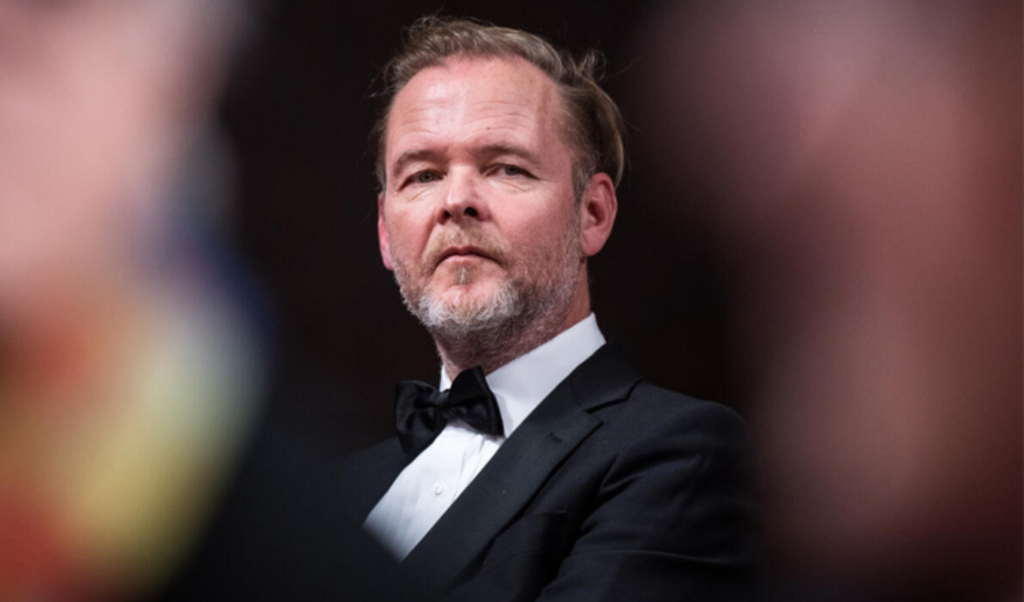
| Christian Kracht | Swiss | German-language postmodernist; writes on pop culture and consumerism; 58 years old |
| Laszlo Krasznahorkai | Hungarian | Postmodern novelist |
| Peter Nadas | Hungarian | Known for complex narrative structures |
| Mircea Cartarescu | Romanian | Renowned postmodernist |
| Gerald Murnane | Australian | Literary fiction, introspective style |
| Alexis Wright | Australian Aboriginal | Explores Indigenous narratives |
Bjorn Wiman, culture editor at Dagens Nyheter, highlighted that Kracht’s presence at this year’s Gothenburg Book Fair — where Swedish Academy members sat in the front row during his event — is a traditional indicator of possible success. He noted a similar scenario occurred when Austrian playwright Elfriede Jelinek won in 2004.
Historical Context
Since its inception in 1901, the Nobel Literature Prize has predominantly honoured Western male authors:
- 121 laureates to date
- Only 18 women
- Very few works in Asian or Middle Eastern languages
- No laureates writing in African languages
A 2018 #MeToo scandal prompted major reforms within the Academy, resulting in over half of its members being replaced. This led to a broader geographical and linguistic representation and a more even gender balance, with every other laureate since then being a woman.
“Authors like Han Kang would have been unthinkable five or six years ago,” Wiman remarked, noting the Academy previously favoured older male authors — Han Kang was only 53 when she won.
Patterns and Predictions
Lina Kalmteg noted a subtle pattern in the Academy’s choices:
“It’s kind of: ‘OK, this year was a European, now we can look further afield. Last year was a woman, now let’s choose a man.’”
She anticipates that this year’s award may go to a male writer from the Anglo-Saxon, German, or French-language world.
Other internationally recognised authors frequently mentioned include:
- Anne Carson (Canada)
- Raul Zurita (Chile)
- Amitav Ghosh (India)
- Cesar Aira (Argentina)
- Cristina Rivera Garza (Mexico)
The last South American recipient was Peruvian Mario Vargas Llosa in 2010, suggesting the region may be due for recognition.
Focus on Lesser-Known Writers
The Academy often shines a light on writers relatively unknown to the broader public. Among them:
Gerald Murnane (Australia)
- Born 1939 in Melbourne
- Describes his work as “literary fiction comprising the contents of my mind”
- Notable works include Tamarisk Row (1974) and The Plains (1982), described by The New Yorker as a “bizarre masterpiece”
Alexis Wright (Australia)
- Indigenous author whose work explores Aboriginal narratives and histories
Josefin de Gregorio, literary critic at SvD, joked about Murnane’s reclusiveness: “The question is whether he’ll answer the phone when the Academy calls. He lives in the countryside and doesn’t make himself very accessible.”
She expressed hope for Murnane’s victory, while also supporting American short story writer George Saunders as a potential laureate.
Prize Details
- Award amount: $1.2 million
- Announcement: Thursday at 1:00 pm (1100 GMT)
The Swedish Academy’s deliberations remain secret for 50 years, making predictions inherently uncertain despite the expert buzz surrounding this year’s favourites.