Friday, 21st August 2026

Khabor Wala Desk
Published: 9th October 2025, 7:00 AM
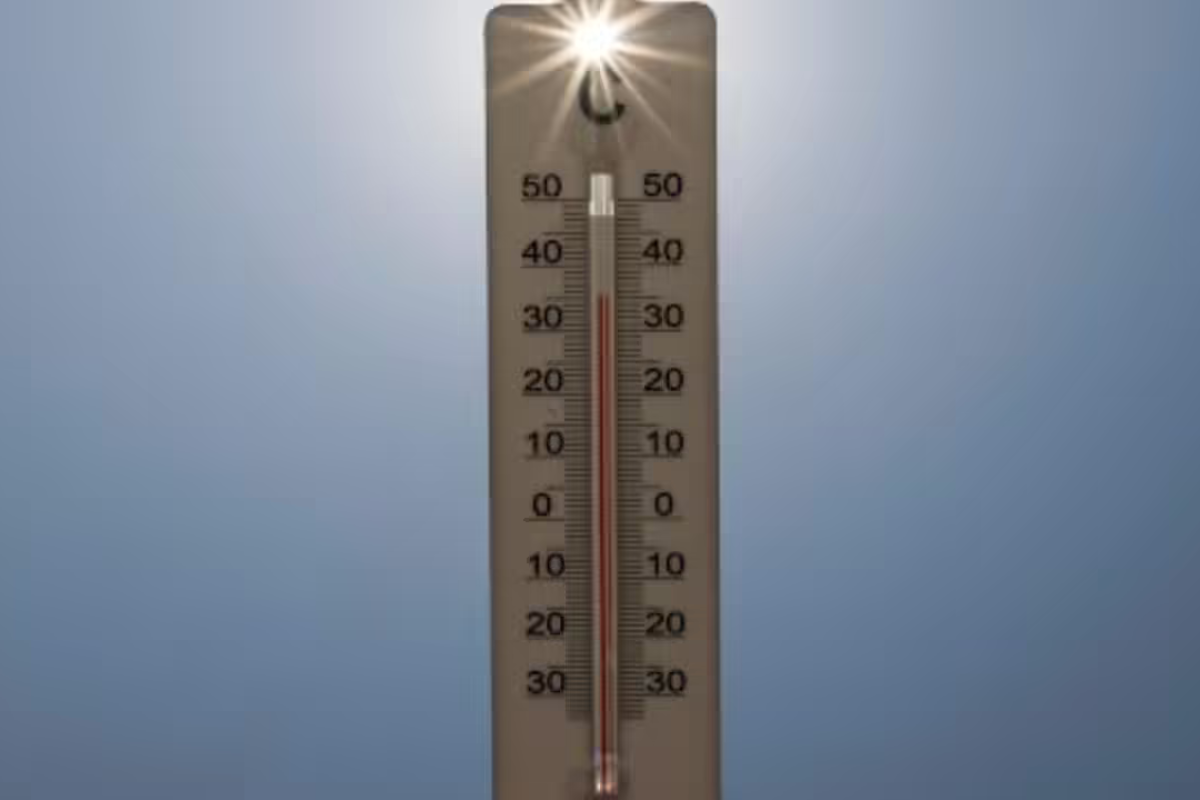
The world has just experienced its third-hottest September on record, according to the Copernicus Climate Change Service (C3S), with global average temperatures remaining stubbornly close to historic highs for another consecutive month.
Although September did not surpass the record set in 2023, it was only slightly cooler than the same month last year, the EU’s climate monitoring agency reported.
“The global temperature context remains much the same, with persistently high land and sea surface temperatures reflecting the continuing influence of greenhouse gas accumulation in the atmosphere,” said Samantha Burgess, strategic lead for climate at Copernicus.
September’s global temperature was measured at 1.47°C above the 1850–1900 average, the pre-industrial baseline used to evaluate climate change caused by human activities.
| Parameter | Value | Baseline / Reference |
| September 2025 Global Temperature Anomaly | +1.47°C | 1850–1900 Pre-Industrial Average |
| Rank | 3rd-Hottest September | Records since 1940 |
| Previous September Record | 2023 | Slightly warmer than 2025 |
| Expected Rank for 2025 Yearly | 3rd-Hottest | After 2024 & 2023 |
While such incremental rises may appear minor, scientists stress that each fraction of a degree of extra warming further destabilises the planet, increasing the risk of extreme weather events and potentially triggering destructive climate tipping points.
Global temperatures have been steadily increasing due to human-caused greenhouse gas emissions, primarily from the burning of fossil fuels since the industrial revolution. Copernicus notes that recent months have continued to track just behind the record-breaking levels set during this extraordinary stretch of global heat.
Scientists anticipate that 2025 will rank as the third-hottest year on record, following 2024 and 2023, maintaining the trajectory of exceptional warmth.
As nations prepare to meet in Brazil next month for the United Nations climate negotiations, the urgency of addressing global warming is increasingly clear.
Copernicus relies on billions of measurements from satellites, ships, aircraft, and ground-based weather stations to calculate its climate records. While formal instrumental records extend back to 1940, scientists also use palaeoclimate evidence such as ice cores, tree rings, and coral skeletons to extend knowledge of global temperatures far into the past.
Researchers state that the current climate period is likely the warmest the Earth has experienced in the last 125,000 years, underlining the unprecedented nature of contemporary global warming.
This data highlights the ongoing and accelerating challenge of climate change, as persistent global heat continues to threaten ecosystems, human societies, and the planet’s long-term stability.




Comments