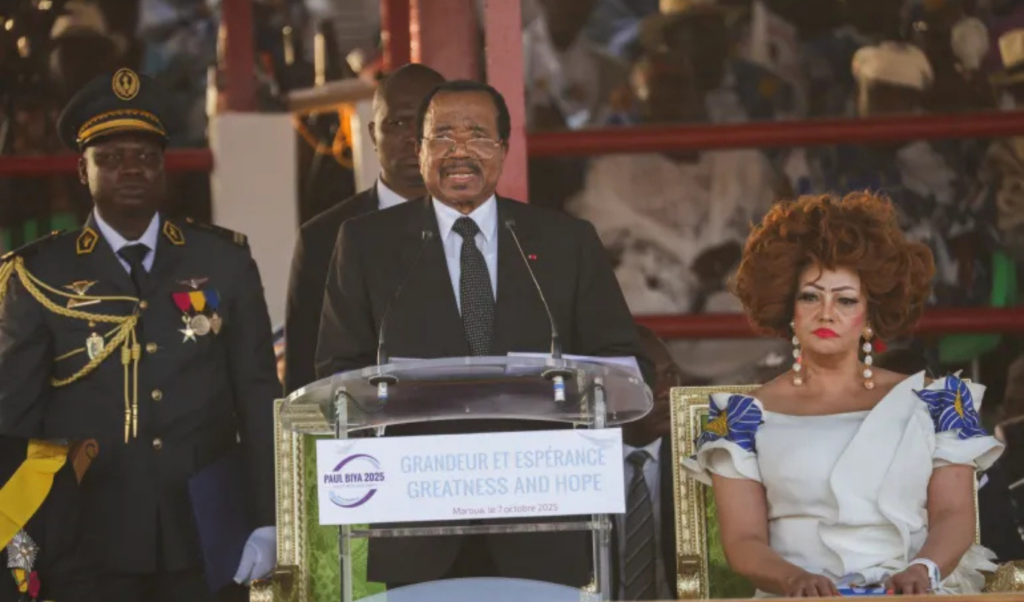
Cameroon held its presidential elections on Sunday, with 92-year-old Paul Biya, the world’s oldest serving head of state, widely expected to secure an eighth term, extending his 43-year grip on power.
Biya faces 11 opponents, including former employment minister Issa Tchiroma Bakary, 79, who has generated unexpected enthusiasm among voters. In a country where half the population is under 20, many eligible voters have only ever known one ruler.
Biya has been in power since 1982, winning every election over the past 20 years with more than 70 percent of the vote.
“We shouldn’t be naive. We know full well the ruling system has ample means at its disposal to get results in its favour,” said Cameroonian political scientist Stephane Akoa.
“But the campaign in recent days has been much livelier than usual at this stage. This poll is therefore more likely to throw up surprises.”
Biya has maintained his customary low profile during the campaign, appearing publicly for the first time since May on Tuesday. He held a rally in Maroua, in the strategic Far North region, which has 1.2 million eligible voters—the second largest voting bloc in the country.
Historically a Biya stronghold, several former allies from the region are now running against him.
| Candidate | Background | Campaign Notes |
| Paul Biya | Incumbent, 92 years old | Low-profile campaign; rally in Maroua drew a few hundred supporters |
| Issa Tchiroma Bakary | Former employment minister, 79 | Resigned in June after 20 years with Biya; rallies attract thousands, particularly in Maroua; hailed as “Tchiroma the Saviour” |
| Maurice Kamto | Opposition leader, 2018 runner-up | Barred from contesting this year by the Constitutional Council; decision criticised by Human Rights Watch |
The 11 rival candidates have made numerous public appearances, promising a new dawn for Cameroon in contrast to Biya’s entrenched rule.
Bakary’s rallies, particularly in his home region of Maroua, have drawn thousands of supporters, waving placards and generating visible excitement among young voters.
“Many young people intend to vote,” said Akoa.
“There is a positive sign of change but perhaps not strong enough to bring young people out onto the streets, as we saw in Madagascar, Tunisia, and elsewhere.”
Kamto, Biya’s main challenger in 2018, was barred from standing this year—a move that rights groups say undermines electoral credibility.
Cameroon is central Africa’s most diversified economy, rich in natural and agricultural resources, but socioeconomic challenges remain severe:
| Indicator | 2024 Figures |
| Poverty Rate | 40% of population below poverty line |
| Urban Unemployment | 35% in major cities |
| Youth Population | 50% under 20 |
Cameroonians, particularly the youth, complain about the high cost of living, limited access to clean water, healthcare, and quality education. For now, frustrations remain largely confined to social media, rather than mass street protests.
Electoral Logistics
- Polling hours: 8:00 am to 6:00 pm (0700 to 1700 GMT)
- Observers: 55,000 local and international monitors authorised, including African Union representatives
- Result announcement: Constitutional Council has until 26 October to release final results
Some internet platforms plan to compile results independently, drawing criticism from the government, which accuses them of attempting to manipulate public opinion.
The election occurs amid an ongoing conflict between separatist forces and the government in the English-speaking regions, which has persisted since 2016.
- Turnout in 2018: Particularly low in these areas
- Current atmosphere: Voting expected to remain challenging due to security concerns
Key Points at a Glance
| Aspect | Details |
| Incumbent | Paul Biya, 92 years old, in power since 1982 |
| Main Challenger | Issa Tchiroma Bakary, former minister, 79 |
| Number of Candidates | 12 (including Biya) |
| Eligible Voters | 8 million |
| Election Type | One-round presidential poll |
| Major Concerns | Youth desire for change, high poverty, unemployment, ongoing separatist conflict |
| Observers | 55,000 local & international, including African Union |
| Results Deadline | 26 October by Constitutional Council |