Thursday, 20th August 2026

Khabor Wala Desk
Published: 18th October 2025, 10:24 AM
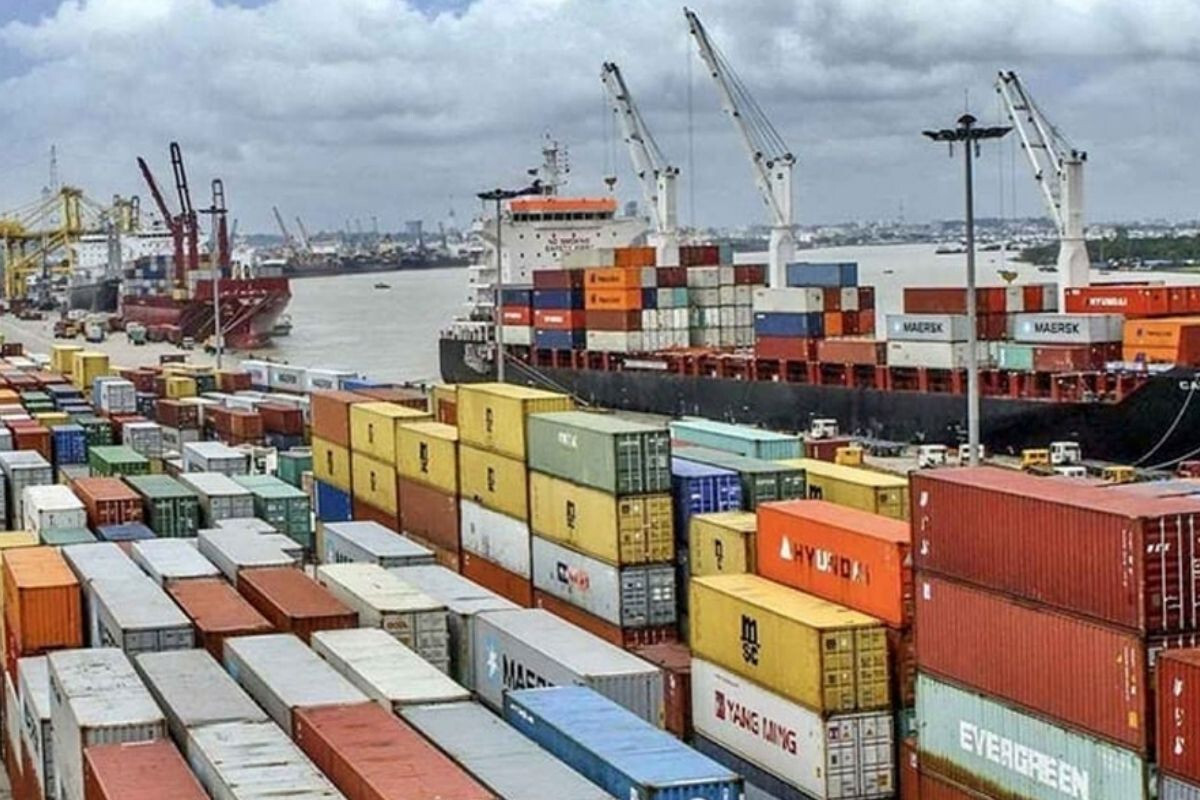
Container transportation through Chattogram Port, Bangladesh’s principal maritime gateway, has come to a complete standstill following a sharp rise in the entry fee for heavy vehicles — increased from Tk 57 to Tk 230. The new tariff, which came into effect on 15 October, has triggered widespread protests and suspension of operations by transport owners.
From Saturday morning (18 October), the Trailer Owners’ Association declared that no heavy vehicles would enter the port indefinitely until the decision is revoked.
The Chittagong Port Authority (CPA), through an official circular (Office Order No. 223/25) dated 13 October, raised the gate pass fee from Tk 57.50 to Tk 200, with an additional Tk 30 VAT, totalling Tk 230.
| Details of Fee Revision | Previous Rate (Tk) | New Rate (Tk) | Change (%) |
| Gate Pass Fee | 57.50 | 200 | +248% |
| VAT | – | 30 | — |
| Total Payable | 57.50 | 230 | +300% |
According to transport owners, the fee was imposed unilaterally without consultation, placing additional financial strain on both owners and operators amid rising fuel costs.
A joint emergency meeting of the Chattogram Inter-District Goods Transport Organisation and the Truck-Covered Van Owners’ Association was held on 17 October night, where leaders unanimously decided to boycott port operations until the revised fee order is withdrawn.
By 11:00 a.m. on Saturday, field visits confirmed that no trailers, trucks, or covered vans had entered the port since dawn.
Although unloading from ships continued as usual, containers began to accumulate rapidly, sparking fears of severe congestion and operational disruption if the impasse persists.
According to port sources, as of 8:00 a.m. Saturday, importers managed to collect only 8 containers in the past 24 hours—compared to the usual 600–900 containers daily.
| Container Movement Comparison | Normal Day | 18 October (Under Strike) |
| Containers Released | 600–900 | 8 |
| Operational Status | Normal | Severely Disrupted |
Mohammad Hossain, General Secretary of the Chattogram Prime Mover & Flatbed Owners’ Association, clarified: “This is not a strike. Owners have voluntarily stopped operating their vehicles. Increasing the gate pass from Tk 57 to Tk 230 is irrational. It is still unclear whether workers or owners are expected to bear this cost.”
He further explained that heavy vehicles travelling from Chattogram to districts like Dhaka operate on fixed line costs, adjusted only when fuel prices fluctuate. The new fee disrupts this structure entirely.
“Since the night of 14 October, trailer movement has remained suspended. We have spoken with the port security director and will await the chairman’s return from Dhaka for further discussions,” he added.
Transport operators estimate that at least 10,000 cargo vehicles use the Dhaka–Chattogram Highway daily, of which about 7,000 are directly involved in port cargo transport. Even a single day of suspension can cause severe traffic congestion, requiring several days to normalise.
Ruhul Amin Sikder, Secretary-General of the Bangladesh Inland Container Depots Association (BICDA), highlighted the growing impact on exports: “From 19 private container depots across the country, over 2,000 export containers head to the port each day. With trailers off the road, export operations are being severely disrupted, leading to vessel schedule delays and potential shipment cancellations.”
He cautioned that late shipments might force exporters to offer discounts or lose contracts entirely, jeopardising the country’s trade reputation.
Chattogram Port handles around 90% of Bangladesh’s international trade. With the suspension of heavy vehicle movement, the port faces the looming threat of complete operational paralysis.
If the stalemate continues, experts warn of a ripple effect across the national supply chain—delaying import deliveries, increasing storage costs, and disrupting export commitments to international buyers.
Source: Port Correspondents & Chattogram Bureau


Comments