The Philippine economy has posted its weakest quarterly performance in four years, expanding by only 4 per cent in the third quarter of 2025, as the country grapples with the twin blows of devastating typhoons and a spiralling corruption scandal involving fraudulent flood control projects.
Economic Planning Minister Arsenio Balisacan attributed the sluggish growth between July and September largely to the combined effects of natural disasters and the ongoing graft scandal. He acknowledged that reaching even the lower end of the government’s revised annual growth target of 5.5–6.5 per cent, down from the previous 6–8 per cent, would now be “challenging”.
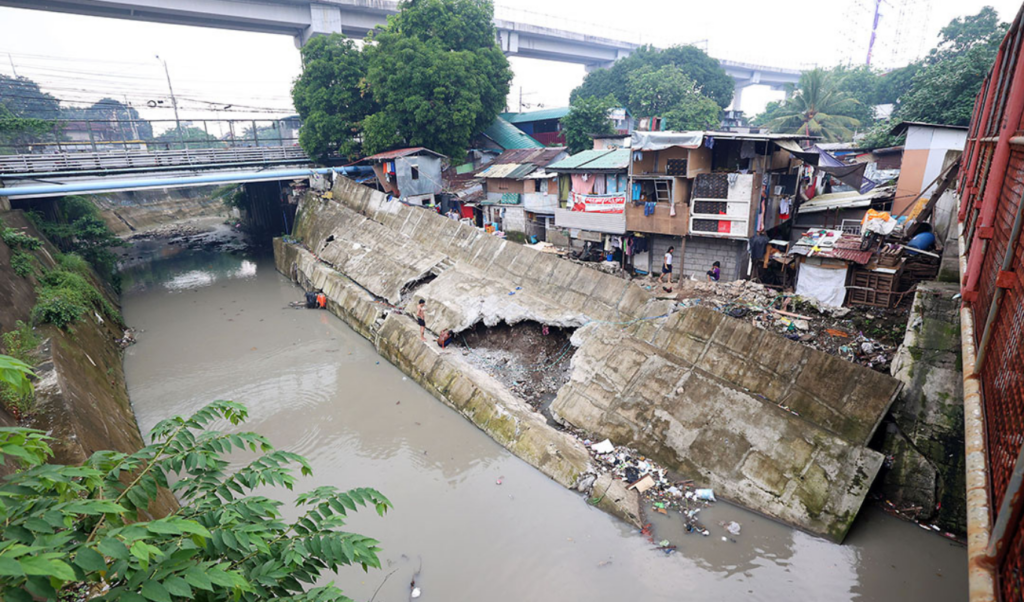
The announcement follows the deadly onslaught of Typhoon Kalmaegi, which swept through the central Philippines earlier this week, killing at least 188 people and leaving 135 missing. The storm caused widespread destruction to infrastructure, agriculture, and housing, further dampening consumer confidence and business activity.
Balisacan said household consumption slowed to 4.1 per cent from 5.2 per cent a year earlier, partly because of public disillusionment over the so-called “ghost flood-control projects” believed to have cost taxpayers billions of dollars.
“Consumer confidence may have been affected by the ongoing probes and discussions on government infrastructure spending,” he stated, adding that school and workplace closures due to the typhoons also reduced overall spending.
The construction sector took the most severe hit. Government statistician Dennis Mapa reported a 26.2 per cent drop in infrastructure spending—the steepest decline since 2011, when the country faced another major corruption scandal tied to pork-barrel funds.
However, Jesus Felipe, an economics professor at Manila’s De La Salle University, questioned the government’s explanation, arguing that corruption and annual typhoons alone cannot account for the weak performance.
“The truth is that typhoons, which happen every year, and corruption cannot fully explain the four per cent growth,” he said. “Targets of six per cent and higher were simply unrealistic.”
Further fuelling public outrage, Cebu Governor Pamela Baricuatro, whose province accounted for more than 70 per cent of Typhoon Kalmaegi’s fatalities, linked the deadly floods to the alleged mismanagement of the ₱26.6 billion (US$452 million) flood-control budget.
“You begin to ask the question why we’re having terrible flash floods here when so much was supposedly allocated for flood control,” she said, revealing that her inspection teams had failed to locate a single project completed to government standards.
Despite dozens of politicians and public works officials being implicated in the widening corruption probe, no formal charges have yet been filed.
The combination of extreme weather, weakened consumer confidence, and governance scandals now threatens to undermine investor sentiment and stall the Philippines’ post-pandemic recovery trajectory.