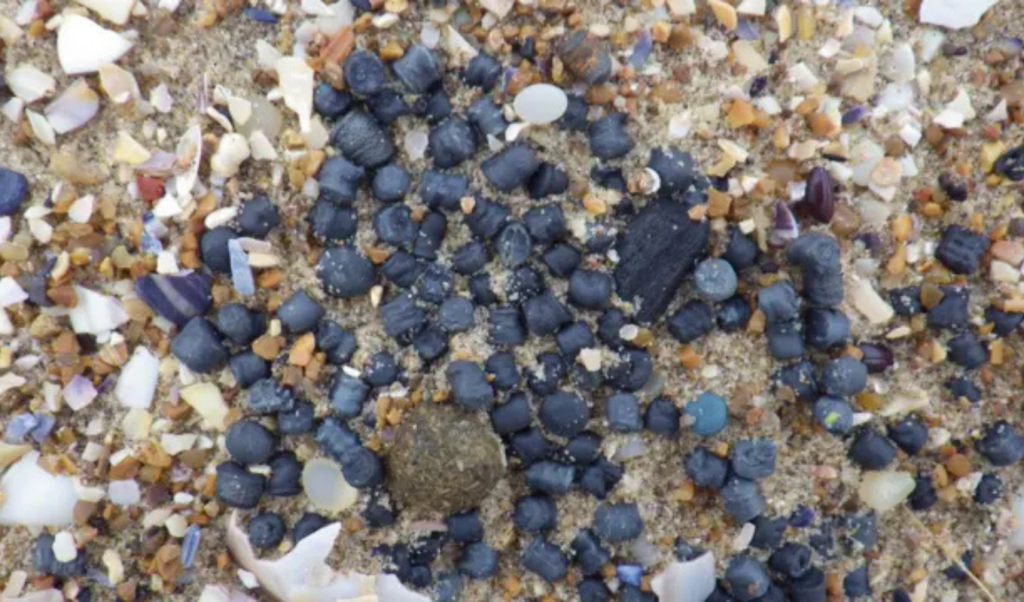
A UK water company has apologised after plastic pellets were found in large numbers on beaches in southern England, admitting it is “highly likely” to be the source of the pollution.
Southern Water, which provides water and sewage services to millions across southern England, attributed the incident to a “failure” at one of its treatment facilities. This latest pollution episode is another blow for the company, which has been heavily criticised for its frequent sewage discharges into rivers and seas, drawing ire from communities across the UK.
In response, the government has begun overhauling the water regulation system, aiming to impose stricter sanctions on executives in the sector.
“The environmental impact of this incident, and the harm caused to local wildlife, can be catastrophic,” Southern Water stated, noting that birds and marine creatures often mistake the toxic plastic pellets for food.
After conducting the initial stages of an ongoing investigation, Southern Water confirmed that it was “highly likely” the plastic beads originated from its Eastbourne Wastewater Treatment Works. The company explained that a “failure of a screening filter” led to the release of the beads, which are used in the treatment process, into the sea during heavy rainfall.
“We deeply regret that this has happened and are doing everything we can to investigate and resolve the issue,” the company said in a statement.
Water Minister Emma Hardy expressed her “deep disappointment” and revealed she had spoken to the company’s CEO. “The immediate priority now must be to address the environmental damage and minimise further harm,” she added.
Hardy also confirmed that the Environment Agency was carrying out a “thorough investigation” to determine the appropriate regulatory response.
The black “bio-beads”, only a few millimetres in size, are used to filter bacteria in wastewater treatment plants. Once mixed with sand and algae, the beads are difficult to remove. If ingested by wildlife, they can lead to starvation or poisoning due to the toxins they contain, according to the environmental group Strandliners.
Rother District Council, the local authority overseeing the clean-up, said it hoped the majority of the pellets would be removed by Monday, following six days of efforts from volunteers and professionals. However, it warned that more pellets were likely to continue washing ashore with the tides.