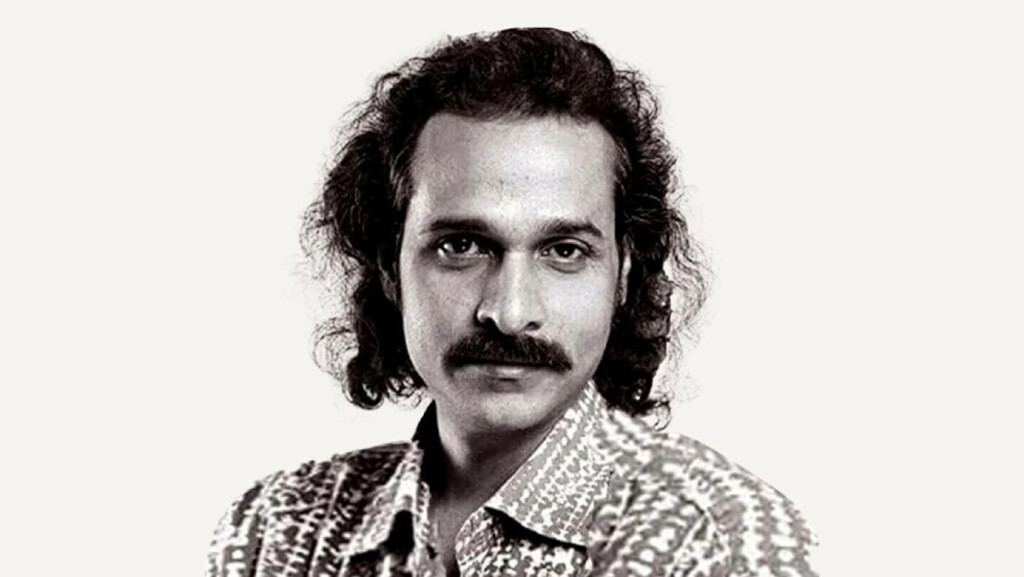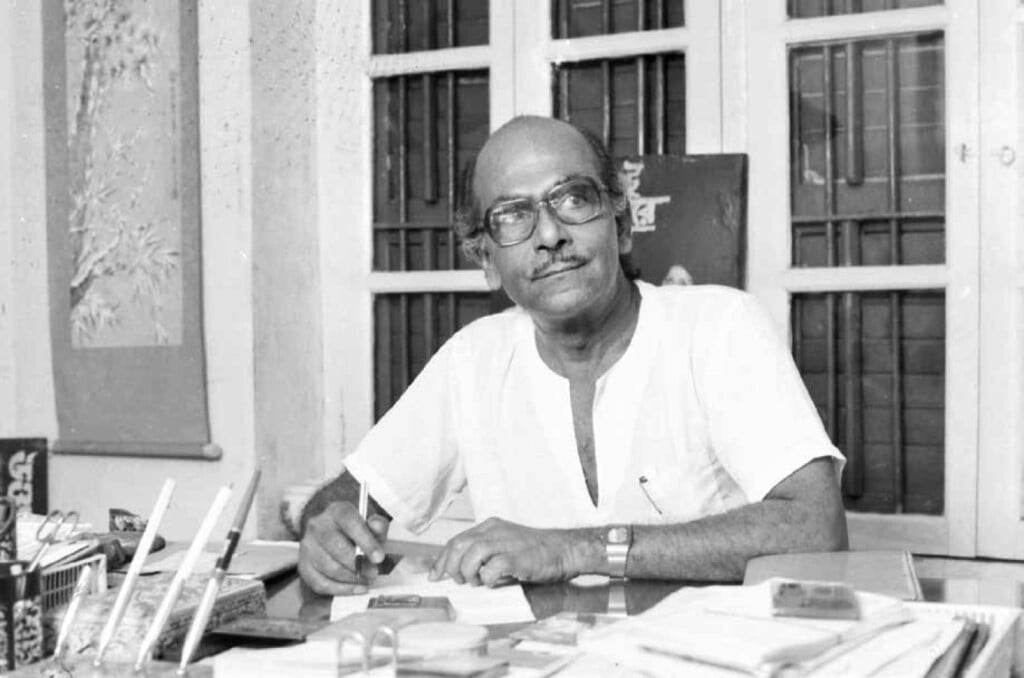
Salil Chowdhury, the legendary composer and symbol of people’s music, was honoured on his centenary at the Shaheed Minar on Wednesday evening. The programme, “Satata Salil”, organised by Udichi, included a rich combination of discussion, songs, poetry, and dance, designed to both remember the composer and reinvigorate the revolutionary spirit of his music. Habibul Alam, acting president of Udichi Central Council, presided over the ceremony, while speakers included Dhaka University academic Sayem Rana and Udichi general secretary Jamshed Anwar.
During the discussion, speakers traced Chowdhury’s impact on the historical narrative of Bengal. His music, they argued, has always been a tool of inspiration and empowerment—from anti-colonial resistance to the social movements of post-independence Bangladesh. By turning poems and protest slogans into song, he gave voice to collective struggles and transformed the very idea of rallying cries into a musical experience. “Songs carrying the message of liberation may never be universally welcomed by authorities, yet they have provided strength in every struggle,” said the panel.
The evening’s cultural performances reinforced this message. Udichi’s music department and chorus presented ensemble pieces, while soloists Tanvir Alam Sajib and Monsur Ahmed captivated the audience. Dance was performed by Spandan, and solo dance by Adrita Anwar Prakriti. Recitations by Udichi’s team, including solo recitation by Shahed Newaz, further celebrated Chowdhury’s literary-musical genius.
Born on 19 November 1925 in Gajipur, South 24 Parganas, Chowdhury composed “Gaayer Bodhu” at just 22, blending Western orchestration with Assamese folk and local protest songs. His work for the internationally acclaimed film Do Bigha Zamin, alongside over 150 other films, cemented his legacy as a composer of humanistic and revolutionary music. Even a century later, his songs remain relevant, resonating with the spirit of courage, social justice, and liberation.