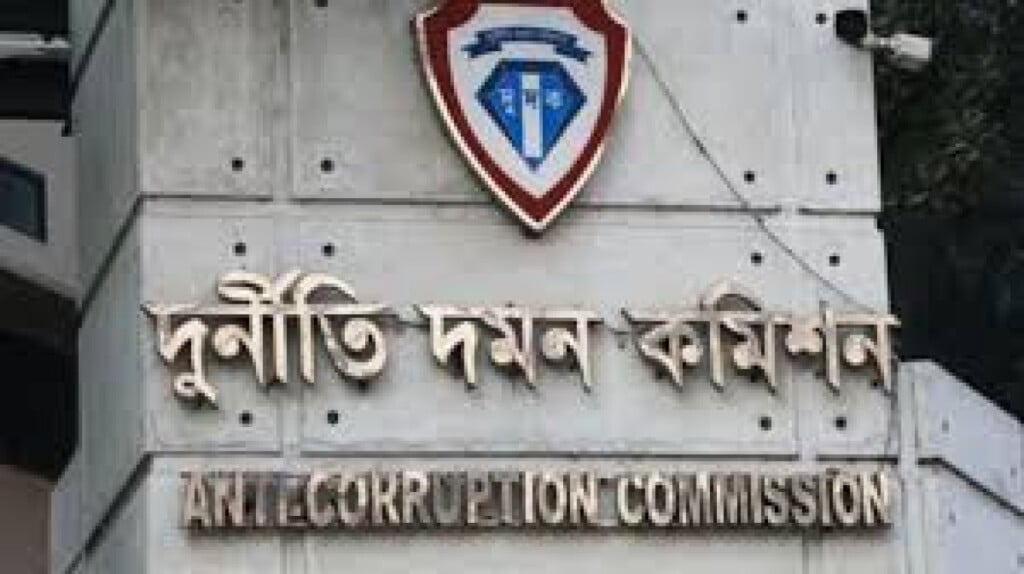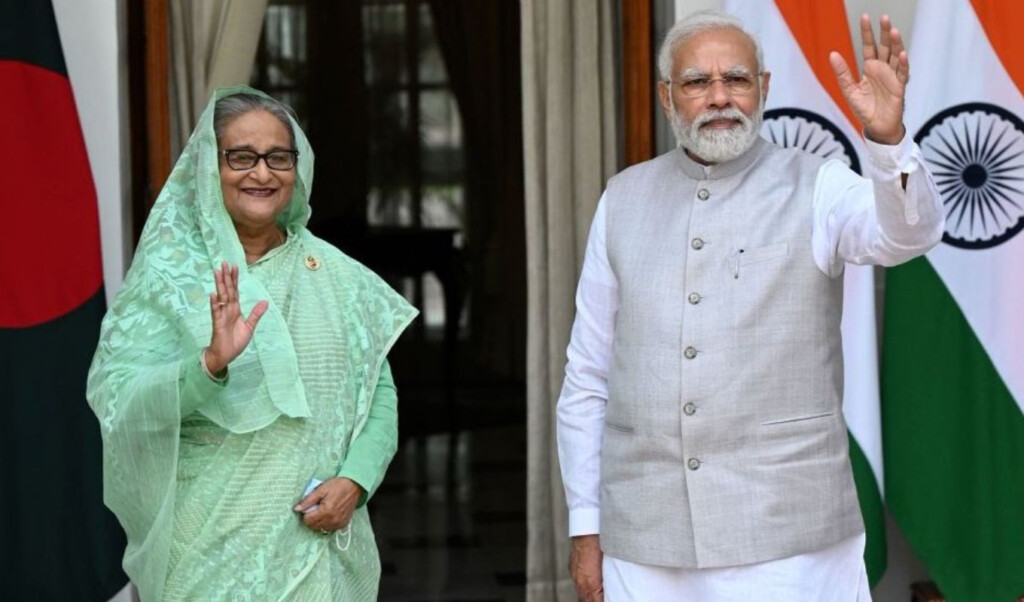
The Bangladesh government has sent a note verbale to India requesting the extradition of former Prime Minister Sheikh Hasina. This request was sent five days after the International Crimes Tribunal (ICT) announced the death penalty in absentia for Sheikh Hasina and former Home Minister Asaduzzaman Khan Kamal on 17 November. They were accused of being responsible for nearly 1,400 deaths during the student movement crackdown of July–August 2024.
This formal step from Dhaka was expected. Immediately after the verdict, the interim government urged Delhi to return both individuals to Bangladesh without delay.
The Ministry of Foreign Affairs stated that under the extradition treaty with Bangladesh, this is India’s mandatory duty. They also warned that sheltering individuals convicted of crimes against humanity would constitute “unfriendly behaviour” and undermine justice.
After the government fell on 5 August 2024, Sheikh Hasina took refuge in India and has since been issuing statements and interviews from there.
Despite repeated requests over the past year, India has not responded to previous extradition appeals. The first note verbale sent in December last year was only acknowledged. The second request has yet to receive any direct reply from Delhi. Following the ICT verdict, the Ministry of Foreign Affairs merely stated that it “noted the verdict” and would support peace, democracy, and stability in Bangladesh, avoiding the extradition issue.
Analysts suggest that India will not take any major steps at this time. Indian researcher Smriti S. Pattnaik notes that the current government in Bangladesh operates with a “temporary and limited mandate,” and Delhi will make key decisions only after an elected government assumes office.
Opposition to Sheikh Hasina’s extradition in India is significant and has grown stronger after the verdict. Indian political parties have long valued the historical ties with the Awami League and Sheikh Hasina’s family. Assistance during the Liberation War, shelter provided after the 1975 assassination, and collaboration during her long tenure to safeguard Indian security interests have led Delhi to view her as a “close ally.” Sending a ‘friend’ to face the death penalty is therefore politically sensitive.
Although an extradition treaty exists since 2013, India could refuse extradition citing the “political offence” clause. Crimes such as murder do not fall under this category, and proving direct involvement of Sheikh Hasina would be difficult. India could also question the fairness of the judicial process. Even if India responds positively, full extradition hearings would take place in Indian courts, giving Sheikh Hasina the opportunity to defend herself.
India’s economic and security interests in Bangladesh are substantial. Analysts believe Delhi will maintain a cautious stance ahead of the February 2026 elections. Many suggest India must proceed “slowly and quietly,” engaging all parties. However, as election campaigns commence, anti-India rhetoric could be politically exploited, potentially straining bilateral relations further.
Author: South Asia Editor, The Diplomat
Khaborwala/TSN