Thursday, 20th August 2026

Khabor Wala Desk
Published: 6th December 2025, 8:41 AM
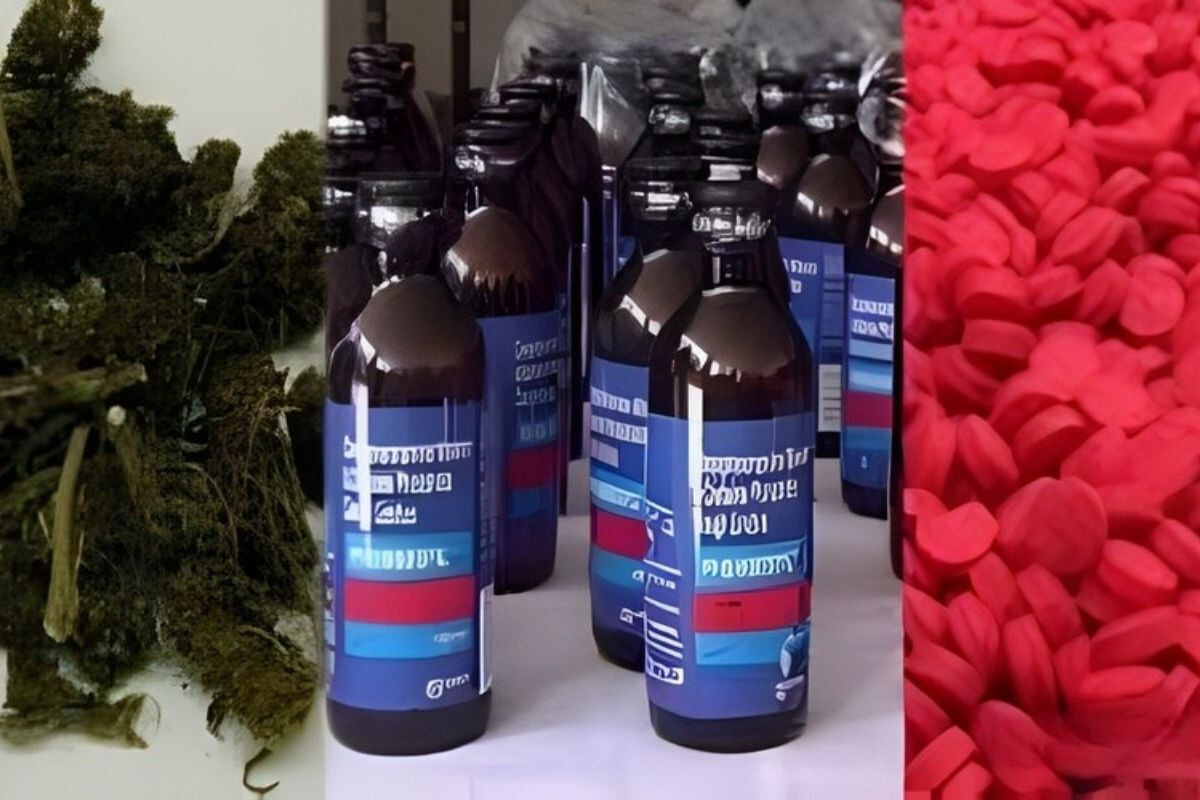
Across the country, a rising wave of violent crime, including murder, is causing widespread alarm. Law enforcement authorities report that, on average, 10 to 12 homicides occur every single day. Private organisations monitoring the situation claim the number of murders is doubling daily. Many experts and officials assert that drugs are closely linked to these violent acts.
According to investigators, drug addicts often lose their sense of morality and human empathy. Drugs not only bring temporary pleasure but also accompany destructive behaviour, pushing individuals toward violent crimes. In extreme cases, perpetrators have reportedly celebrated their acts of brutality, mutilating victims and distributing the remains. Newspapers across the nation have repeatedly highlighted such horrifying incidents.
A senior police official revealed that young students from schools, colleges, and universities are forming peer groups and consuming pornography on mobile phones. Many of these students are also addicted to methamphetamine (locally called yaba), abandoning their studies and drifting into criminality. Police investigations have discovered groups of youths taking yaba collectively, eventually becoming involved in gruesome acts.
A particularly shocking case occurred recently in Rangpur, where businessman Ashraful was lured by his friend Jorez Mia to his girlfriend’s house. There, Jorez and the girlfriend murdered Ashraful, dismembered his body into 26 pieces, and disposed of them in a drum. Jorez later admitted to engaging in sexual acts with his girlfriend following the murder. In another chilling incident, in Kachua, Chandpur, on 22 November, Abdul Khalek was killed by his son, Mohammad Hossain, who decapitated him during a family dispute.
Khulna Metropolitan Court also witnessed violence when two young men, Hasib and Rajon, members of the notorious Palash drug syndicate, were shot dead in front of the main gate, reportedly over conflicts in drug trade. Meanwhile, the capital’s Mohammadpur Geneva Camp continues to witness nightly gunfights and explosions linked to drug trafficking, with top trafficker Buniya Sohel recently detained by the army.
Criminologists emphasise that drug addicts often commit atrocities without understanding the consequences of their actions. Dr. Tauhidul Haque, Associate Professor of Social Welfare and Crime Studies at Dhaka University, warns that revenge-driven violence among drug-addicted youth is increasing at an alarming rate. Offenders frequently display complete lack of remorse, even celebrating their crimes. Despite government announcements of zero-tolerance policies, implementation remains weak, and drug markets continue to thrive both online and offline.
Psychiatrists note that a large proportion of students are addicted to drugs, which could create a future shortage of skilled and capable professionals across sectors. Experts recommend strong law enforcement actions, public awareness campaigns, and social mobilisation to curb this epidemic. Dr. Mohit Kamal, a leading psychiatrist, explains that youth involvement in yaba is particularly alarming, with cases widespread in schools, colleges, and universities.
From Dhaka to rural villages, yaba is openly sold, often delivered by young couriers on motorcycles. This surge in drug availability has led to increased homicides, extortion, robbery, and general lawlessness. Investigations also implicate political figures and even some law enforcement personnel in the drug trade. Without urgent and coordinated action, experts warn, the nation will continue to face mounting violence and social instability.



Comments