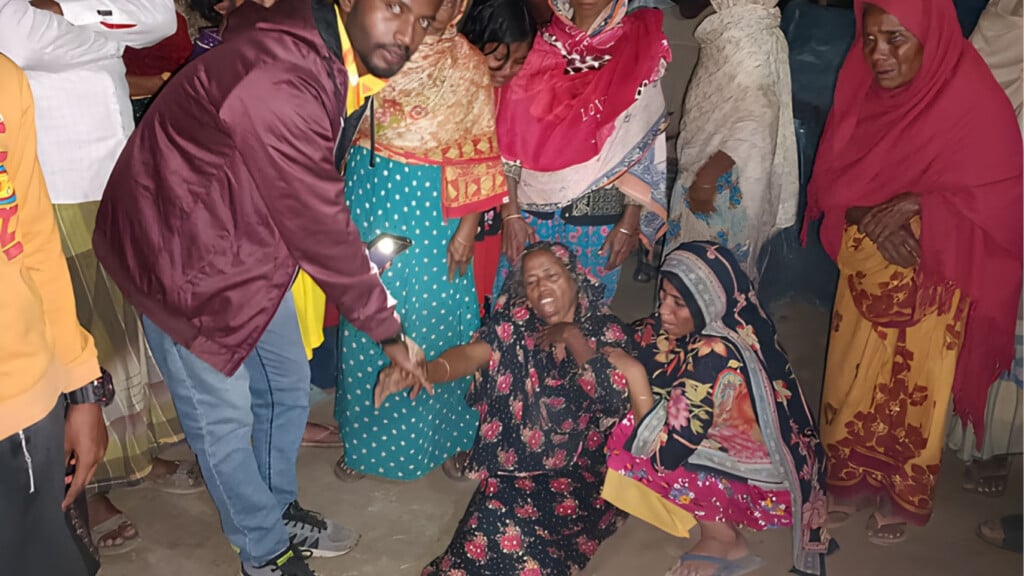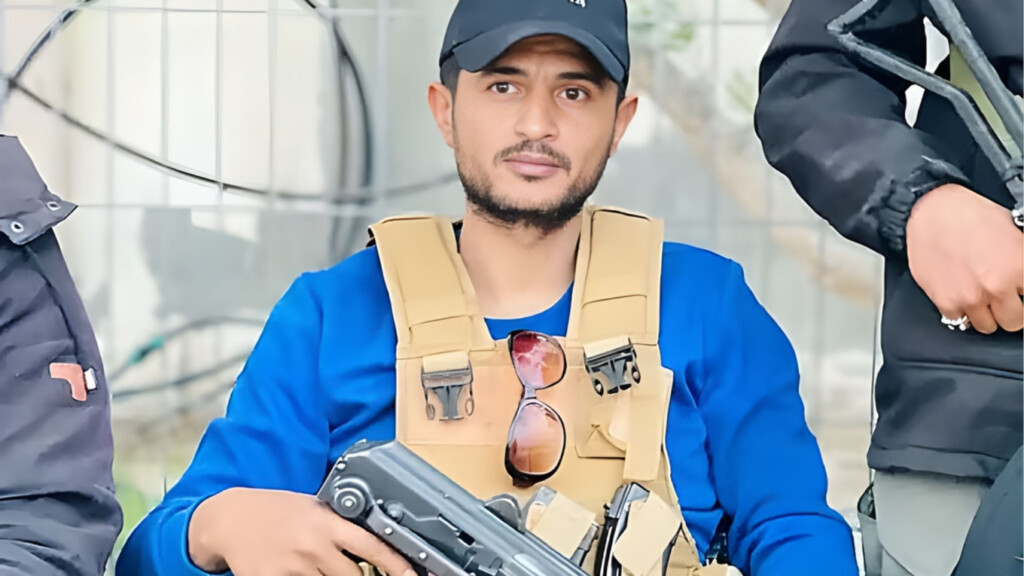
A source closely linked to the Qassam Brigades, the armed wing of Hamas, has confirmed that the Palestinian resistance movement was responsible for the death of Yasser Abu Shabab, the leader of an Israeli-backed militia operating in southern Gaza. According to the source, Hamas executed the operation with meticulous planning before striking in Rafah last Thursday.
Abu Shabab led the group known as the Popular Forces, which attempted to present itself as an alternative power centre to Hamas within Gaza. However, to most Palestinians, the organisation was widely viewed as little more than a proxy force armed and supported by Israel—militants who turned their weapons against their own people to serve a hostile occupying state.
The Popular Forces consisted of roughly one hundred armed fighters, and Israeli authorities provided their weapons. Although Abu Shabab routinely downplayed or denied his relationship with Israel, the truth became publicly evident in June when Israeli Prime Minister Benjamin Netanyahu openly acknowledged supporting armed factions in Gaza that opposed Hamas—though without naming any specific group.
A Carefully Laid Trap
The source described the assassination as a “precisely engineered internal operation”. A young man sympathetic to Hamas reportedly played the most crucial role. Pretending he wished to join Abu Shabab’s militia, he infiltrated the group, gained trust, and then executed the plan from within. He succeeded in killing Abu Shabab along with several close associates.
The strike came entirely by surprise. Abu Shabab’s fighters in Rafah believed that any Hamas attack would come from outside their perimeter. For that reason, they had positioned themselves near Israeli tanks, thinking proximity to Israeli armour would provide protection. Their confidence in an outward-facing defence left them unprepared for an attack conducted from inside their own ranks. According to the source, this miscalculation ensured the operation’s success.
Ironically, Abu Shabab had recently released a video promising a “cleansing operation” in Rafah—vowing to eliminate Hamas presence from areas under his control. Days later, he was dead. The source stated bluntly, “One of the darkest chapters for the people of Rafah has now ended. The area is finally free of the terror he spread.”
Militia Activities and Control Zones
Abu Shabab’s forces operated mainly in the eastern parts of Rafah—districts that currently fall under Israeli control. Under the guise of establishing so-called “safe zones”, his militia carried out intimidation, harassment, and coercive actions against Palestinians. Their activities included raiding homes, dismantling explosive devices planted by resistance fighters, hunting down militants, and seizing weapons. These operations directly undermined the Palestinian resistance and helped Israel to maintain influence in the besieged enclave.
Abu Shabab’s Background: From Prisoner to Militia Chief
In his early thirties, Yasser Abu Shabab belonged to the Tarabin Bedouin tribe of southern Gaza. Virtually unknown to the Palestinian public a year ago, his sudden rise as the head of a militia shocked many. For years, he had been imprisoned by Palestinian authorities on drug-related charges. He escaped during the early stages of the current Gaza conflict.
Earlier, Abu Shabab had claimed in a video that his group “liberated” areas from Hamas control and was cooperating with the Palestinian Authority to distribute humanitarian aid and protect civilians. However, multiple reports state that the militia was in fact responsible for stealing aid shipments and exploiting displaced populations.
His death underscores the deepening tensions inside the war-torn Gaza Strip and highlights Hamas’s continued determination to eliminate factions viewed as collaborators with Israel.