Thursday, 20th August 2026

Khabor Wala Desk
Published: 11th December 2025, 10:01 PM
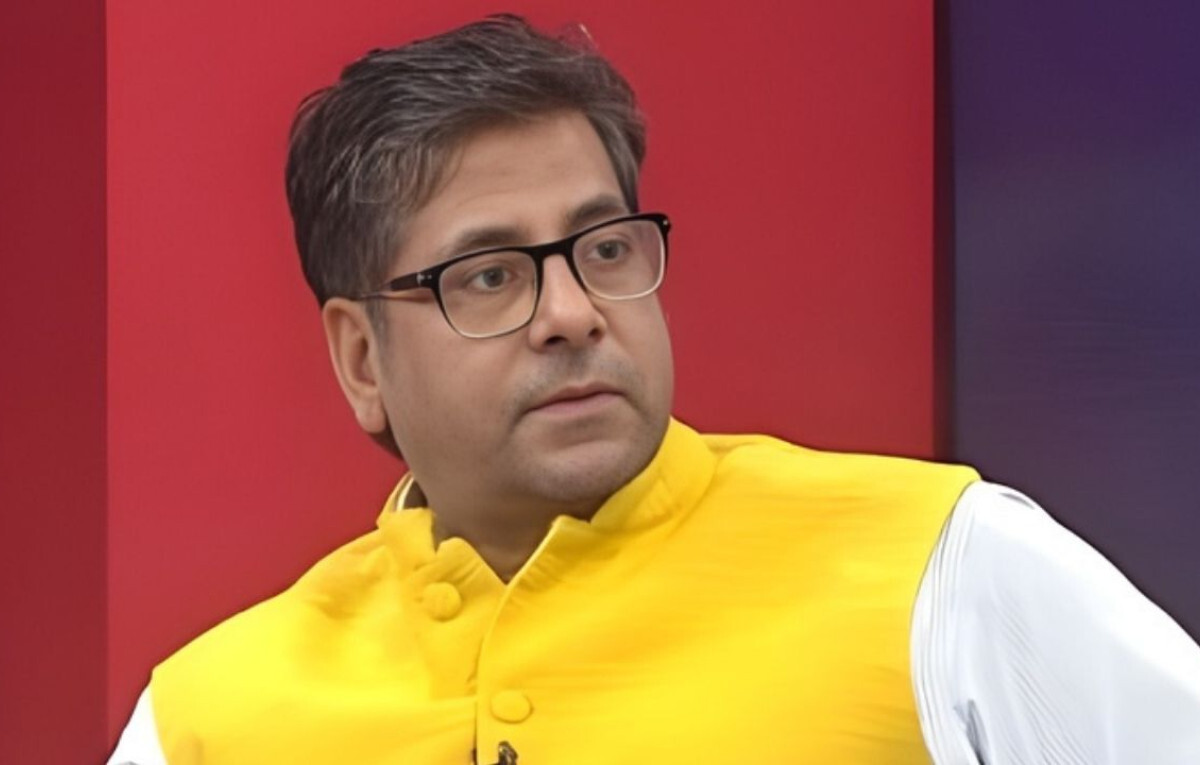
In recent times, a new trend has emerged among those accused of collaborating with anti-liberation forces during Bangladesh’s Liberation War. Whenever someone labels them as a ‘Rajakar’, they immediately retort:
“I am from a freedom fighter family.”
This assertion, however, often sidesteps the essential question: who in the family actually fought in the war? Was it the father, a brother, grandfather, or maternal uncle?
As noted by commentator Anis Alamgir, the logic behind these claims has become increasingly stretched. If even distant relatives such as a mother’s uncle or father’s cousin were to be counted, almost no family could be excluded from the so-called “freedom fighter family” list. The real issue, he argues, is far simpler: does a mere label cover up the truth?
“In the end, the question is the same: can a fish be hidden with a leaf?” Alamgir remarks. “False identities do not confer honour. One’s actions ultimately reveal their true allegiance.”
| Claim | Reality Check | Commentary |
|---|---|---|
| Being from a freedom fighter family | Does not automatically absolve one of collaboration allegations | Actions speak louder than ancestral ties |
| Use of extended family members | Inflates claims of legitimacy | Leads to distortions in historical accountability |
| Public perception | Often swayed by assertions | Truth becomes evident through deeds, not labels |
Anis Alamgir emphasises that heritage alone cannot be a shield against moral or historical scrutiny. While invoking a family’s participation in the Liberation War may provide social leverage, it cannot erase personal choices or actions.
The broader point is clear: truth and responsibility outweigh claims based solely on ancestry, and history will remember deeds, not convenient labels.

Comments