Bangladesh’s intelligence and law enforcement agencies have uncovered what they describe as disturbing preliminary links between the prime suspect in the attempted assassination of political activist Sharif Osman Hadi and several figures associated with a major Islamist political organisation. The findings have intensified concerns that the shooting was not a spontaneous act of violence but part of a broader and potentially organised political operation.
Sharif Osman Hadi, spokesperson of the Inqilab Mancha platform and a prospective independent candidate for the Dhaka-8 constituency, was shot shortly after the announcement of the national election schedule. The attack took place on a Friday afternoon on Box Culvert Road in the capital’s Paltan area, where an assailant riding a motorcycle opened fire at close range before fleeing the scene. Hadi survived the attack and is currently undergoing treatment at Evercare Hospital in Dhaka under heightened security.
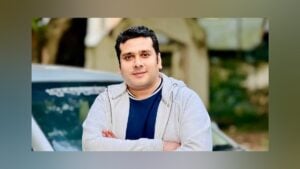
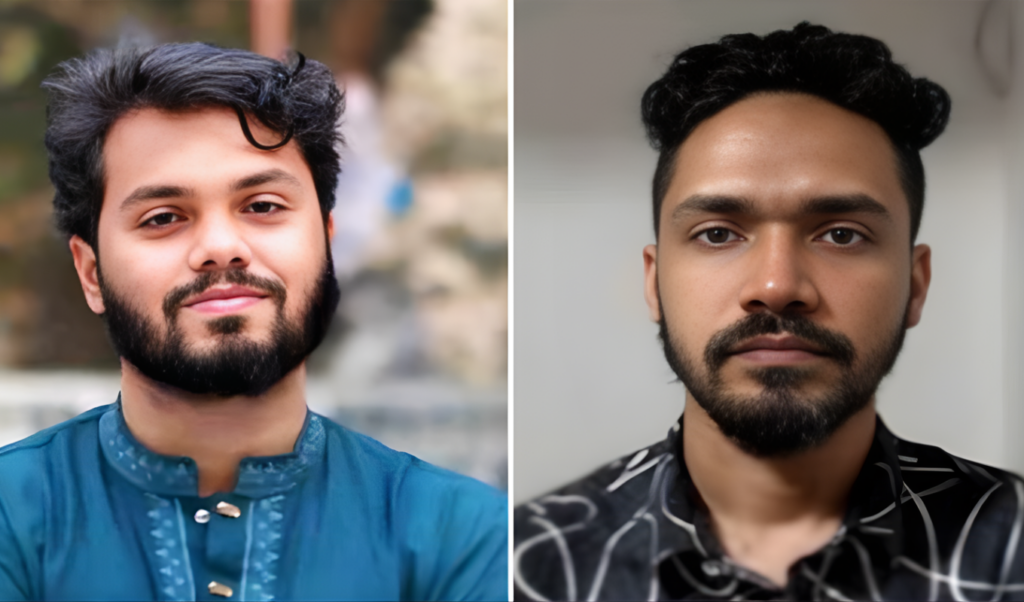
The prime suspect in the case is Faisal Karim Masud, also known as Daud Khan. Police have seized computers and digital equipment from his IT company, Apple Soft IT Limited, as part of a widening investigation. In addition, one member of his immediate family has been arrested on suspicion of assisting him either before or after the attack. Investigators believe digital data may reveal communications, financial trails, or ideological coordination linked to the crime.
Multiple law enforcement sources have confirmed that intelligence agencies are examining Faisal’s alleged connections with several leaders of a large Islamist political party. While officials have refrained from naming the party or individuals publicly, they say the links are serious enough to warrant deeper scrutiny. Analysts note that if confirmed, such connections could dramatically alter the political implications of the case.
According to investigators, Faisal fled immediately after the shooting. He initially travelled by motorcycle to Savar, then moved on to Dhamrai before switching vehicles and heading towards Nalitabari near the northern border. From there, he reportedly moved closer to the frontier. Authorities are currently investigating whether he crossed into India or remains in hiding within Bangladesh. Border surveillance has been intensified as a result.
In a related development, two men identified as Sibbian and Sanjay were detained in the Nalitabari border area. Law enforcement officials say they are suspected of involvement in illegal cross-border human trafficking and may have facilitated Faisal’s escape. Their interrogation is ongoing, with investigators attempting to establish whether they were directly connected to the shooting suspect.
Faisal Karim’s background presents a striking contrast to his current status as a fugitive. He founded Apple Soft IT Limited in 2010, focusing on web and mobile application development. He later owned another technology firm that developed a computer game based on Bangladesh’s Liberation War, produced with industry association support and government patronage. This public-facing profile has raised uncomfortable questions about how someone with such access later became implicated in violent crime.
Politically, Faisal was previously involved with the Chhatra League, an affiliate of the ruling Awami League. He was named a member of its central committee in 2019 and had earlier played a role in election coordination during the 2018 general election. Observers argue that his shifting political associations suggest opportunism rather than ideological consistency.
Photographs circulating online show Faisal in close proximity to Osman Hadi at various public events, including gatherings at the Inqilab Cultural Centre. Investigators believe Faisal may have followed Hadi for some time before the attack, raising questions about infiltration and betrayal within political movements.
The government has announced a reward of 5 million taka for information leading to the arrest of the shooter. As the investigation unfolds, the case is increasingly seen as a test of whether Bangladesh’s institutions can confront politically motivated violence without fear or favour.