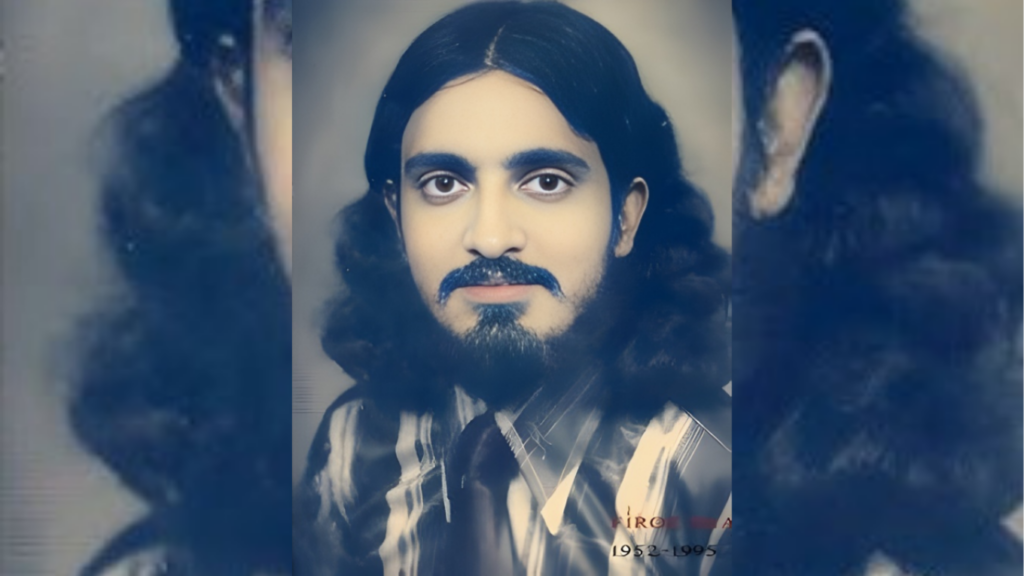
In the annals of Bangladesh’s modern musical history, the name of Firoz Sai occupies a singular and revered place. Emerging during the transformative decades of the 1970s and 1980s, when Bangladeshi music was searching for new idioms and identities, Firoz Sai forged a distinctive path by blending folk traditions and spiritual philosophy with the emerging structure of modern pop music. At a time when popular music was often driven by melody alone, he infused it with reflection, social consciousness and existential depth.
Born on 1 June 1953, Firoz Sai was, at heart, a seeker of truth. His artistry was never confined to entertainment; rather, his songs functioned as meditations on the fragility of life, the helplessness of humanity, and the inevitability of death. Drawing from rural life, mystical thought and everyday human experience, he used simple language layered over profound melodies to communicate ideas that resonated deeply with ordinary listeners. This rare ability to translate philosophy into accessible music set him apart from his contemporaries.
His most iconic song, “Ek Second-er Nai Bhorosha” (There Is No Certainty Even for a Second), stands as a metaphor for his entire artistic worldview. Through this composition, Firoz Sai reminded audiences that life is fleeting and unpredictable, urging them to look beyond material attachments. Similarly, songs such as “Engine Jodi Choila Jay Dabba Loia Ki Hoibo” and “Iskul Khuilachhe Re Mowla Iskul Khuilachhe” combined satire, social commentary and spiritual inquiry, exposing societal contradictions while gently guiding listeners towards introspection.
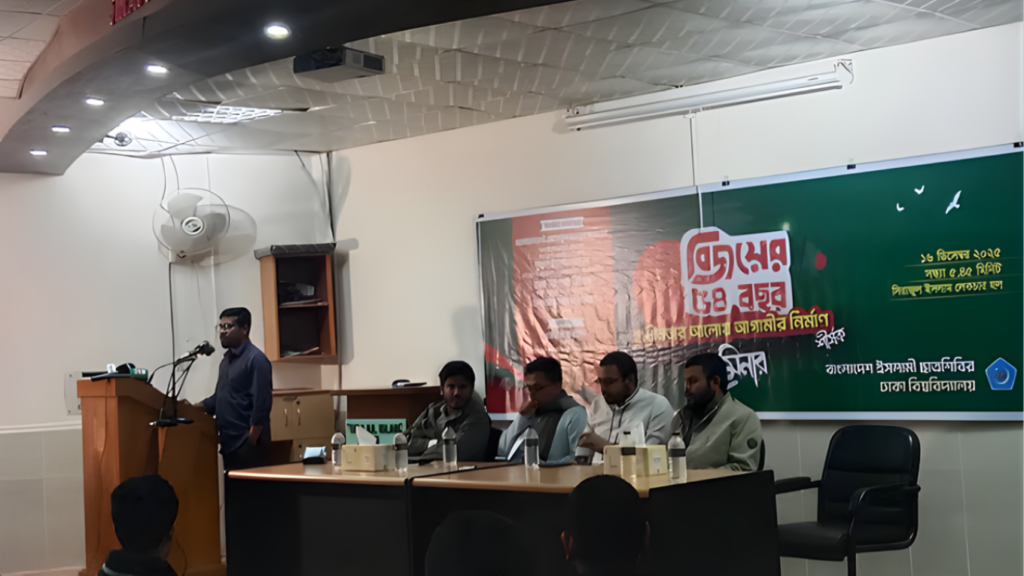
Tragically, the philosophy he sang about became inseparably entwined with his own fate. On 16 December 1995, Bangladesh’s Victory Day, Firoz Sai was performing at a musical programme organised by the Bangladesh Shilpakala Academy. While singing “Ek Second-er Nai Bhorosha” on stage, he suddenly collapsed and passed away. The moment was both shocking and haunting, as if his life itself had become the final verse of his most famous song.
Though his life was cut short, Firoz Sai’s legacy endures. He remains not merely a singer or songwriter, but a fearless voice of life-consciousness in Bangladesh’s musical landscape. His songs continue to echo across generations, reminding listeners of life’s impermanence and the enduring power of music rooted in truth and humanity.
Key Facts at a Glance
| Aspect | Details |
|---|---|
| Full Name | Firoz Sai |
| Date of Birth | 1 June 1953 |
| Era of Influence | 1970s–1980s |
| Musical Style | Folk and spiritual themes blended with modern pop |
| Notable Songs | Ek Second-er Nai Bhorosha, Engine Jodi Choila Jay…, Iskul Khuilachhe Re Mowla |
| Date of Death | 16 December 1995 |
| Place of Death | On stage, Bangladesh Shilpakala Academy |
| Legacy | Pioneer of philosophical pop music in Bangladesh |
With deep respect, Bangladesh remembers Firoz Sai—not only as an artist, but as a profound interpreter of life itself.