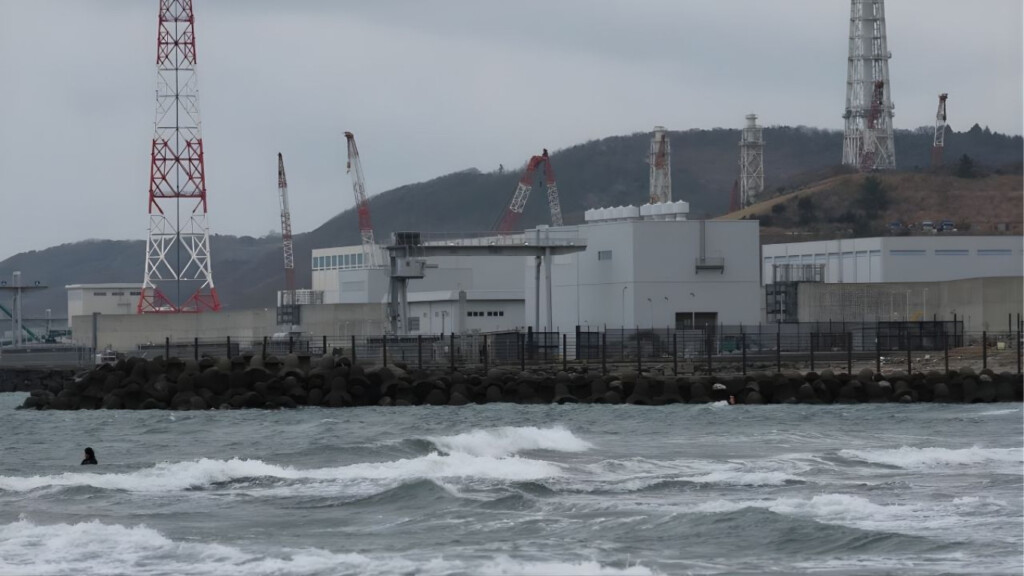
Japan has taken a decisive step towards reviving its nuclear energy programme by granting final approval to restart the Kashiwazaki–Kariwa nuclear power station, the largest facility of its kind in the world. The decision was confirmed on Monday following a regional assembly vote in Niigata Prefecture, nearly 15 years after the Fukushima Daiichi disaster fundamentally reshaped public attitudes towards nuclear power in the country.
Located approximately 220 kilometres north of Tokyo, Kashiwazaki–Kariwa was among 54 reactors shut down nationwide after the devastating earthquake and tsunami of March 2011. That catastrophe led to the meltdown of reactors at Fukushima Daiichi, widely regarded as the most severe nuclear accident since Chernobyl. Since then, Japan has grappled with how to balance energy security, climate commitments, and public safety concerns.
Out of the 33 reactors deemed operational under Japan’s revised safety regulations, 14 have so far been restarted. The approval of Kashiwazaki–Kariwa marks a particularly symbolic moment, as it will be the first plant operated by Tokyo Electric Power Company (TEPCO) to resume operations since Fukushima. TEPCO also ran the stricken Fukushima facility, a fact that continues to fuel public mistrust.
The Niigata Prefectural Assembly voted in support of Governor Hideyo Hanazumi, endorsing his backing of the restart. However, the debate exposed deep divisions within the local community. While lawmakers approved the measure, around 300 demonstrators gathered outside the assembly building in freezing conditions, voicing fears over safety and accountability.
TEPCO has indicated that it is considering restarting the first of the plant’s seven reactors as early as 20 January. Company spokesperson Masakatsu Takata stated that TEPCO is “firmly committed to ensuring that such an accident never happens again” and to safeguarding the residents of Niigata through enhanced safety measures.
Public scepticism, however, remains pronounced. An October survey revealed that 60 per cent of local residents do not believe the necessary conditions for a restart have been met, while nearly 70 per cent expressed anxiety about the operation of new or restarted reactors. Ayako Oga, a Fukushima survivor, warned that the risks cannot be dismissed lightly, stressing that no one should ever have to endure the losses suffered by affected communities in 2011.
Japan’s Ministry of Economy, Trade and Industry estimates that restarting just the first reactor at Kashiwazaki–Kariwa could increase electricity supply to the Tokyo region by around 2 per cent. Prime Minister Sanae Takaichi has openly supported nuclear restarts, arguing they are essential for strengthening energy security and reducing dependence on imported fossil fuels. Japan currently spends approximately ¥10.7 trillion (£68 billion) annually on liquefied natural gas and coal imports.
Yet for many opponents, Kashiwazaki–Kariwa remains a stark reminder of Fukushima — a symbol of unresolved trauma and a warning of the potential consequences should history repeat itself.
Key Facts at a Glance
| Item | Details |
|---|---|
| Plant name | Kashiwazaki–Kariwa Nuclear Power Station |
| Location | Niigata Prefecture, ~220 km north of Tokyo |
| Total reactors | 7 |
| Reactors shut after 2011 | 54 nationwide |
| Reactors restarted nationwide | 14 |
| Planned first restart | 20 January (proposed) |
| Expected power increase | ~2% for Tokyo region |
| Annual fossil fuel import cost | ¥10.7 trillion (£68 billion) |