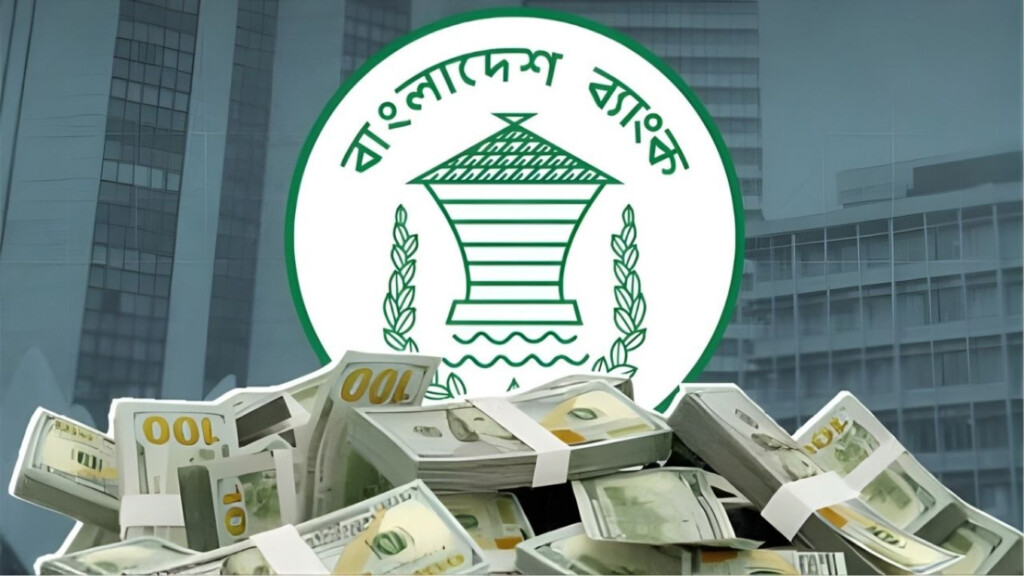
Bangladesh’s foreign exchange reserves have staged a notable recovery, breaching the $28 billion milestone following a significant liquidity injection over the last three weeks. According to Arif Hossain Khan, Executive Director and spokesperson for the Bangladesh Bank, the gross reserves climbed to $28.04 billion as of 22 December 2024.
This surge represents a rapid appreciation in the nation’s external wealth, growing by $1.53 billion in a mere 20-day window. On 1 December, using the International Monetary Fund’s (IMF) Balance of Payments Manual 6 (BPM6) accounting standard, the figures stood at $26.51 billion. The central bank’s strategic intervention in the currency market, primarily through the systematic purchase of US dollars from commercial lenders via auctions, has been identified as the primary catalyst for this upward trajectory.
Analytical Breakdown of Reserve Growth
The central bank has adopted a proactive stance in the current fiscal year to stabilise the local currency and bolster its “war chest.” By absorbing excess dollar liquidity from the market, the Bangladesh Bank aims to prevent a premature appreciation of the Taka, which could otherwise disadvantage exporters and reduce the relative value of inward remittances.
| Metric | Status as of 1 Dec | Status as of 22 Dec | 20-Day Variance |
|---|---|---|---|
| Gross Reserves (BPM6) | $26.51 Billion | $28.04 Billion | +$1.53 Billion |
| Market Purchases (FYTD) | N/A | >$2.50 Billion | N/A |
| Inflow Drivers | Steady Remittances | Sustained Auctions | Aggressive Buying |
A senior official within the central bank noted that the dollar supply in the domestic banking system has reached a state of relative surplus compared to previous quarters. This shift is largely attributed to a robust inflow of remittances from the Bangladeshi diaspora, which has provided a steady stream of foreign currency.
To maintain an equilibrium in the exchange rate, the central bank has purchased more than $2.5 billion from the open market since the start of the current fiscal year. This “mop-up” operation serves a dual purpose: it ensures that commercial banks remain liquid while simultaneously replenishing the national reserves to meet IMF-mandated targets and provide a cushion against global economic shocks.
Despite the positive momentum, economists suggest that the sustainability of this growth will depend on continued remittance strength and the management of import payments. The current trajectory, however, offers a much-needed reprieve for the economy, signalling a return to relative stability in the country’s external accounts.