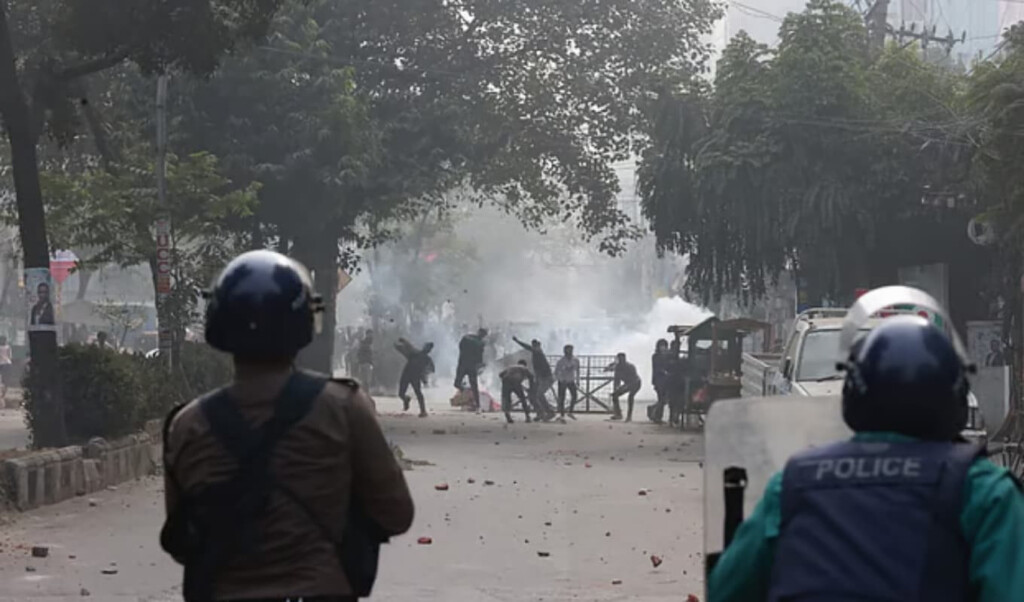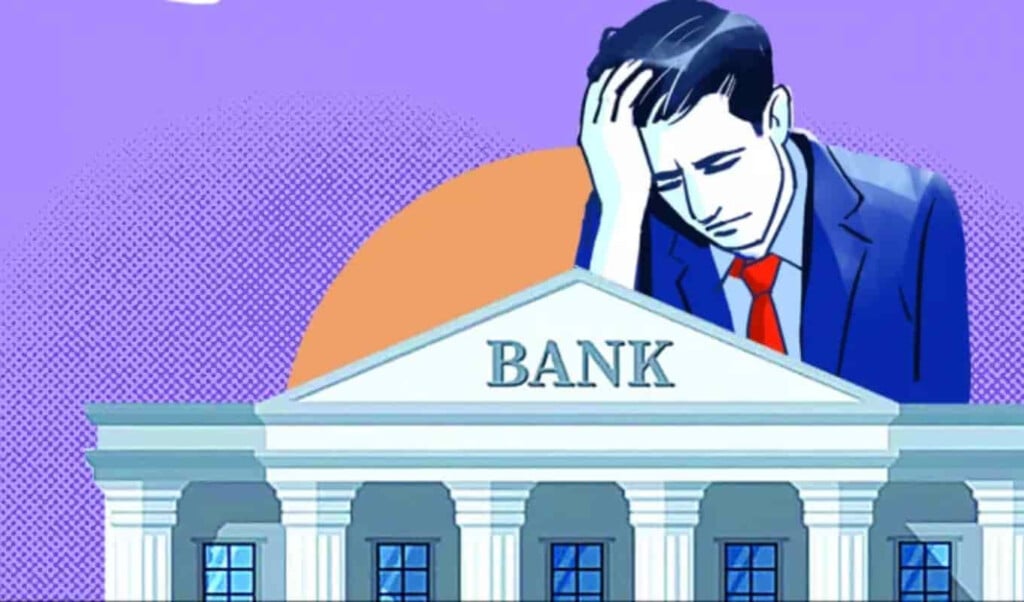
In Bangladesh, borrowers facing default are increasingly caught in a dual legal web, prompting critics to describe the situation as a form of “double punishment.” Even after losing their assets through civil recovery proceedings, borrowers are simultaneously exposed to criminal liability under the country’s dishonoured cheque laws, including potential arrest and fines. This approach often results in the same individual being penalised multiple times for a single debt.
Banks and non-bank financial institutions (NBFIs) typically initiate this dual approach by first filing civil suits to recover outstanding loans, establishing the precise amount owed. Concurrently, they pursue separate punitive actions based on post-dated or dishonoured cheques. Legal experts warn that, without clear regulatory guidance, thousands of indebted individuals may become entangled in this complex legal overlap.
Lawyer Emran Ahmed Bhuiya commented,
“Banks are recovering loans through civil suits, yet the same borrower is penalised again under cheque dishonour cases. Legally, this is an aggressive strategy.”
Cheque Dishonour Cases and Loan Exposure
| Year | Bank/NBFI Cheque Cases Filed | Estimated Loan Amount (Billion BDT) |
|---|---|---|
| 2024 | 26,000 | 20,000 |
| 2025 (Jan–Nov) | 29,000 | 24,000 |
| Total Pending | 176,000 | 244,000 |
Ordinary borrowers are not immune. Sadikul Islam Zibon, a businessman from Narayanganj, borrowed BDT 70 million in 2012. In 2015, the bank filed civil recovery proceedings alongside 30 separate post-dated cheque cases. In 2021, a loan court ruled in the bank’s favour, seizing his assets. Yet, in 2022, Zibon received a three-year jail term and was ordered to repay BDT 110 million. The High Court later stayed the verdict and quashed the cheque cases.
Legal analysts note that small and medium borrowers are particularly vulnerable, as larger borrowers often manage repayments using cheques for convenience. Between 2024 and 2025, out of 1,728 cheque dishonour cases, 983 were initiated by banks, representing nearly BDT 200 billion in outstanding loans.
High Court interventions have been significant. For instance, Lipu Rahman’s cheque case, filed for BDT 97.4 million relating to a BDT 65 million loan, was dismissed. Between January and November 2025, 19,406 cheque cases were stayed, amounting to roughly BDT 1.5 trillion.
Regulatory ambiguity persists. A 2022 High Court ruling indicated that cheques should not be filed solely for loan recovery. However, the Appellate Division suspended this guidance. Bangladesh Bank has urged caution in accepting post-dated cheques, yet there is no legal barrier to filing dishonoured cheque cases.
Currently, borrowers in Bangladesh face a twofold legal burden: the loss of assets on one hand and potential criminal liability on the other. With regulatory clarity and legal safeguards still lacking, indebted individuals remain in a precarious and uncertain position.