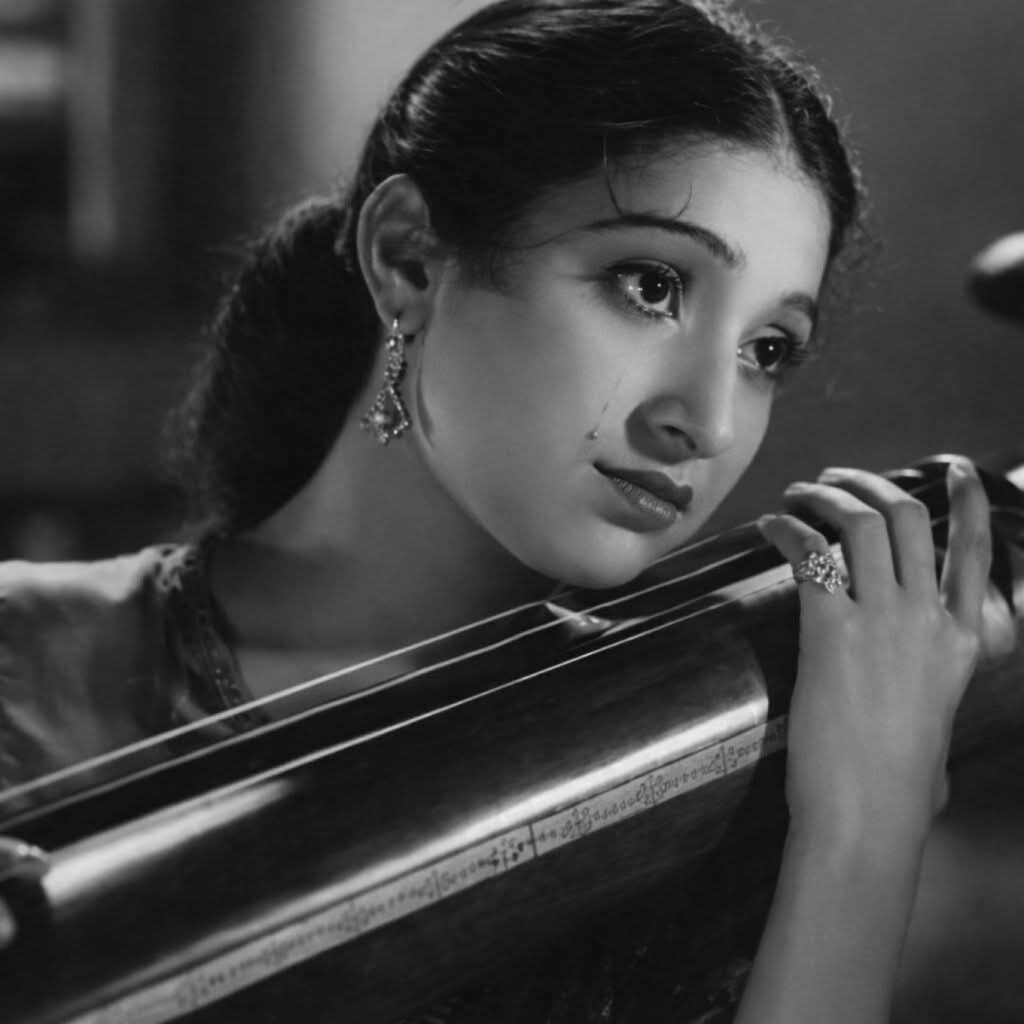
Sumita Devi occupies a luminous place in the annals of Bangladeshi cinema. Among the few female artists who have left an indelible mark on the nation’s cultural heritage, she stands out as a pioneering figure. A celebrated actress, a trailblazing film producer, and a valiant freedom fighter, her life and work constitute a shining chapter in the country’s cultural and historical narrative.
Born Hena Bhattacharya on 2 February 1936 in the affluent village of South Khalli in Manikganj district, she embarked on a cinematic journey that would redefine the scope of female artistry in Bangladesh. It was under the guidance of legendary director Fateh Lohani that she adopted the stage name Sumita Devi, which would become synonymous with cinematic excellence in Bengali film. Following her marriage to visionary filmmaker Zahir Raihan in 1962, she became known legally as Nilufar Begum, though in the public eye she remained Sumita Devi throughout her career.
Her foray into film began in 1957 with Fateh Lohani’s Asia, a performance that would earn the film the Best Bengali Film accolade in 1961—marking her first major cinematic triumph. Over the next four decades, she established herself as a versatile actress across genres, playing lead roles in over ten films and supporting roles in more than a hundred. Her notable works include: Kakhono Aseni, Sonar Kajol, Kancher Dewal, Ei To Jibon, Dui Diganto, Agun Niye Khela, Abhishap, E Desh Tomar Amar, Behula, Swopno Diye Ghera, Ora 11 Jon, and Amar Jonmobhumi.
In addition to her contributions to Bengali cinema, Sumita Devi showcased her talents in Urdu films produced in both East and West Pakistan, including the notable Dhoopchhao. She also excelled in radio, television, and theatre, earning widespread admiration.
Her achievements extended behind the camera as a producer, with credits for Agun Niye Khela, Momer Alo, Mayar Songsar, Adarsha Chapakhana, and Notun Probhat.
During the 1971 Liberation War, Sumita Devi lent her voice and presence to the Swadhin Bangla Betar Kendra, inspiring freedom fighters and civilians alike, for which she was honoured as a valiant freedom fighter.
Her accolades include:
| Year | Award | Work / Recognition |
|---|---|---|
| 1962 | All Pakistan Critics Award | Acting excellence |
| 1963 | Nigar Award | Outstanding performance |
| Post-1971 | Bachsas Award | Contribution to Bangladeshi cinema |
| Post-1971 | TRAB Award | Television performance recognition |
| 2002 | Agartala Freedom Fighter Award | Recognition of wartime contributions |
| 2002 | Janakantha Guni-Jan & Protibha | Cultural achievement award |
Sumita Devi was mother to two sons: Bipul Raihan, a distinguished writer and theatre director, and Anal Raihan, a journalist and entrepreneur, proprietor of Tithi Door Café & Restaurant in Mohammadpur, Dhaka.
She passed away on 6 January 2004, and was laid to rest with full state honours at Mirpur Martyred Intellectuals Cemetery. Her legacy remains an enduring beacon in Bangladesh’s cinematic, cultural, and liberation history—a brilliance that will never fade.
Tribute to a True Luminary of Bangladeshi Culture.