Friday, 21st August 2026

Khabor Wala Desk
Published: 6th January 2026, 2:00 PM
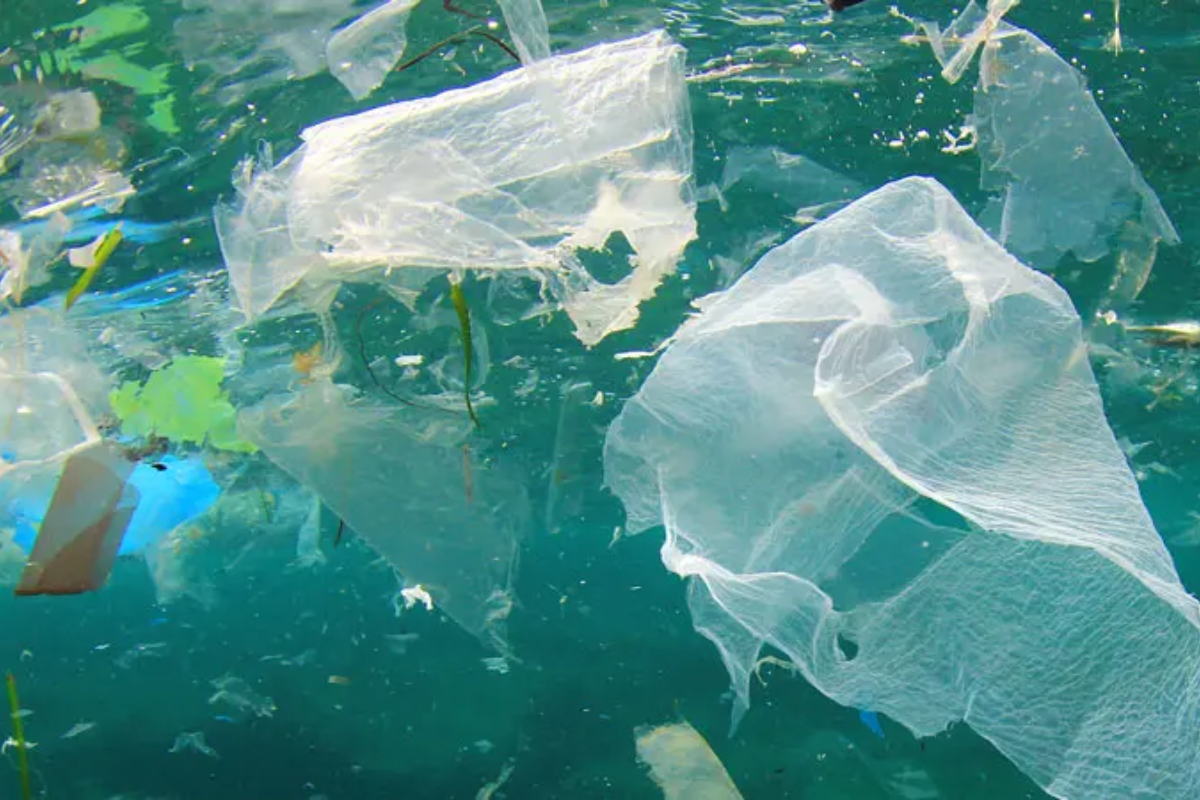
Recent marine surveys in the Bay of Bengal have revealed alarming ecological changes, with a notable decline in fish populations alongside a sharp increase in jellyfish. The findings, derived from a collaborative research initiative, also indicate that plastic pollution has reached depths of up to 2,000 metres beneath the ocean surface.
Despite these challenges, the study recorded the discovery of 65 previously unrecorded aquatic species, offering a glimpse of hope for biodiversity. The research report was formally presented to authorities on Tuesday morning at the state guesthouse, Jamuna.
| Name | Position / Affiliation |
|---|---|
| Farida Akhter | Fisheries and Livestock Advisor |
| Lutf-e Siddiqui | Special Envoy for International Affairs |
| Prof. Sayedur Rahman Chowdhury | Professor, Institute of Marine Sciences, University of Chittagong |
| Dr. Md. Abdullah Al Mamun | Assistant Director, Department of Fisheries |
The survey was conducted aboard the research vessel R.V. Dr. Fridtjof Nansen from 21 August to 21 September last year. A total of 25 scientists from eight countries participated, including 13 from Bangladesh. Professor Chowdhury explained that the disproportionate rise in jellyfish populations in deep waters reflects an imbalance in the marine ecosystem, largely attributed to overfishing.
“The presence of plastic at 2,000 metres depth is deeply concerning,” he added. Comparative analysis with a 2018 study shows a continued decrease in larger fish both in shallow and deep waters, signalling ongoing ecological stress.
During the meeting, concerns were raised over “targeted” or so-called ‘golden fishing’, which may risk depleting local fish stocks entirely. The research also highlighted a high concentration of tuna in Bangladesh’s deep-sea fisheries and identified a fishing nursery area beneath the Sundarbans.
Dr. Muhammad Yunus, Chief Adviser, emphasised the need for sustainable management: “Our country has as much maritime territory as land area, yet we have not fully utilised this resource. Understanding its true potential requires adequate research, strategic policies, and careful planning.”
The meeting further noted that the UK’s Royal Navy multipurpose hydrographic and oceanographic survey vessel HMS Enterprise is in the process of being transferred to the Bangladesh Navy. The vessel will collect detailed data on sea depth, seabed conditions, and other marine parameters.
Dr. Yunus also stressed international collaboration, particularly with Japan, Indonesia, and the Maldives, to coordinate joint research and leverage expert knowledge. “Only through coordinated studies can we identify challenges, protect marine resources, and open new avenues for economic growth,” he concluded.
Despite these challenges, the study recorded the discovery of 65 previously unrecorded aquatic species, offering a glimpse of hope for biodiversity. The research report was formally presented to authorities on Tuesday morning at the state guesthouse, Jamuna.
| Name | Position / Affiliation |
|---|---|
| Farida Akhter | Fisheries and Livestock Advisor |
| Lutf-e Siddiqui | Special Envoy for International Affairs |
| Prof. Sayedur Rahman Chowdhury | Professor, Institute of Marine Sciences, University of Chittagong |
| Dr. Md. Abdullah Al Mamun | Assistant Director, Department of Fisheries |
The survey was conducted aboard the research vessel R.V. Dr. Fridtjof Nansen from 21 August to 21 September last year. A total of 25 scientists from eight countries participated, including 13 from Bangladesh. Professor Chowdhury explained that the disproportionate rise in jellyfish populations in deep waters reflects an imbalance in the marine ecosystem, largely attributed to overfishing.
“The presence of plastic at 2,000 metres depth is deeply concerning,” he added. Comparative analysis with a 2018 study shows a continued decrease in larger fish both in shallow and deep waters, signalling ongoing ecological stress.
During the meeting, concerns were raised over “targeted” or so-called ‘golden fishing’, which may risk depleting local fish stocks entirely. The research also highlighted a high concentration of tuna in Bangladesh’s deep-sea fisheries and identified a fishing nursery area beneath the Sundarbans.
Dr. Muhammad Yunus, Chief Adviser, emphasised the need for sustainable management: “Our country has as much maritime territory as land area, yet we have not fully utilised this resource. Understanding its true potential requires adequate research, strategic policies, and careful planning.”
The meeting further noted that the UK’s Royal Navy multipurpose hydrographic and oceanographic survey vessel HMS Enterprise is in the process of being transferred to the Bangladesh Navy. The vessel will collect detailed data on sea depth, seabed conditions, and other marine parameters.
Dr. Yunus also stressed international collaboration, particularly with Japan, Indonesia, and the Maldives, to coordinate joint research and leverage expert knowledge. “Only through coordinated studies can we identify challenges, protect marine resources, and open new avenues for economic growth,” he concluded.



Comments