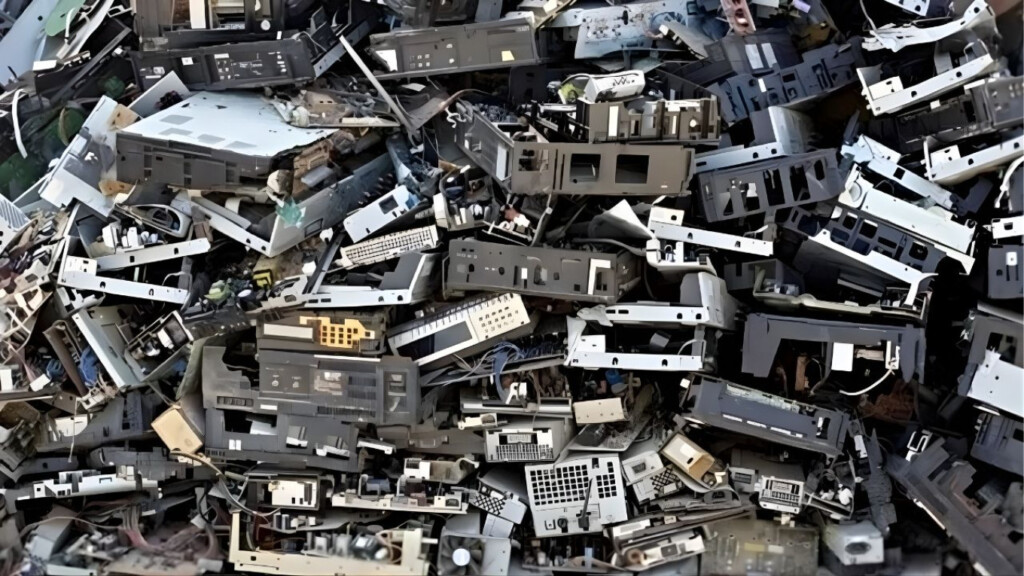
Bangladesh is currently standing on a goldmine of discarded electronics, yet a lack of formal infrastructure is causing the nation to haemorrhage billions of taka annually. According to industry experts and recent research, the domestic electronic waste (e-waste) market is valued at approximately BDT 6,000 crore. However, due to systemic mismanagement and the absence of a structured recycling industry, nearly BDT 5,500 crore of this potential revenue is lost every year.
The Economic Potential vs Environmental Peril
The surge in digital device adoption has created a dual-edged sword. On one hand, discarded mobile phones, laptops, and household appliances contain precious metals such as gold, platinum, palladium, silver, and copper. If recovered domestically, these materials could significantly reduce Bangladesh’s dependence on expensive raw material imports.
Conversely, e-waste is a ticking ecological time bomb. Improper disposal releases toxic substances, including lead, mercury, cadmium, and bromine-based flame retardants, into the soil and water table.
E-Waste Composition: Value and Risk | Component | Economic Value | Environmental Risk | | :— | :— | :— | | Precious Metals | Gold, Platinum, Palladium, Rhodium | Soil and water contamination if leached | | Base Metals | Copper, Bronze, Zinc, Aluminium | Resource depletion if not recovered | | Toxic Elements | Low recovery value | Lead & Mercury cause neurological damage | | Plastics | Reusable as industrial chips | Releases dioxins if burned |
Startling Statistics: A Growing Crisis
Data from the Bangladesh Mobile Phone Importers Association (BMPIA) reveals that 35 million mobile phones are sold annually. With an average lifespan of two to four years, roughly 3 million handsets enter the e-waste stream every year.
A recent study highlighted that Bangladesh generates 367 million kilograms of e-waste annually, a figure growing at a staggering rate of 30% per year. Despite the 2021 Hazardous Waste (E-waste) Management Rules, Transparency International Bangladesh (TIB) reports that 97% of this waste is processed informally, often in dangerous conditions by women and children.
Structural Failures and “Brain Drain” of Resources
The TIB study further exposes a lack of consumer awareness: 88% of consumers do not know how to dispose of electronics properly, and 72% keep broken devices at home, effectively “starving” the formal recycling supply chain.
Meanwhile, a shadow export market has emerged. Despite bans, roughly 15,000 tonnes of e-waste (worth USD 700,000) are exported annually, often in violation of international law. This results in foreign companies reaping the high-value rewards of refining precious metals, while Bangladesh is left with the toxic leftovers.
The Path Forward: Reform and Incentives
Experts like Akter Ullah Alam of the WEEE Society Bangladesh argue that proper recycling could save the country USD 500 million (BDT 5,500 crore) in resource costs. However, achieving this requires more than just paperwork.
“Government activity remains trapped in files and documents,” says M.A. Hasan Jewel of JR Recycling Solutions. For the sector to thrive, the government must implement Extended Producer Responsibility (EPR), provide financial incentives for licensed recyclers, and launch massive public awareness campaigns to shift consumer behaviour.
Without urgent intervention, the toxic accumulation from solar panels (projected at 5.5 million tonnes by 2060) and electric vehicle batteries will lead to what Dr Iftekharuzzaman of TIB calls an “irreversible disaster” for public health and the environment.