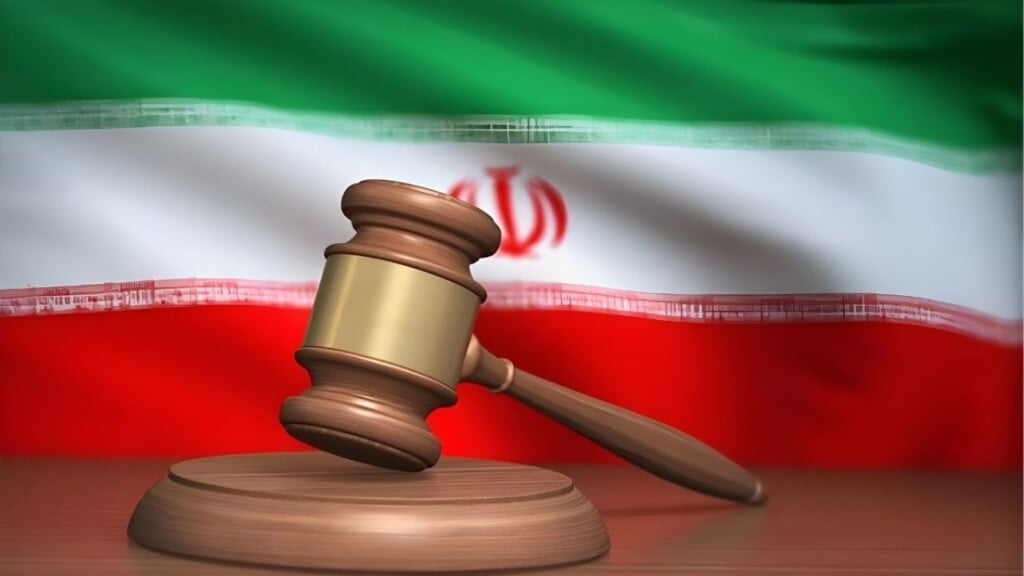
The Islamic Republic of Iran has executed a citizen, identified as Ali Ardestani, following his conviction on charges of espionage for the Israeli intelligence agency, Mossad. The execution, carried out on Wednesday, 7 January 2026, was confirmed by Mizan, the official news agency of the Iranian judiciary.
Allegations and Judicial Outcome
Ardestani was accused of compromising national security by capturing and transmitting sensitive photographs and video footage of classified Iranian installations to Israeli handlers. In return for this intelligence, prosecutors alleged that he received substantial payments via various cryptocurrencies to evade financial detection. Following what state media described as a comprehensive legal process, the court found him guilty of “corruption on earth” and espionage, resulting in a death sentence.
Post-War Security Crackdown
This execution occurs against a backdrop of extreme geopolitical volatility. Since the 12-day kinetic conflict between Iran and Israel in June 2025, Tehran has intensified its domestic surveillance and counter-intelligence operations. That conflict resulted in significant damage to Iranian nuclear and missile infrastructure, alongside the targeted assassination of several high-ranking military officials—setbacks the Iranian leadership attributes to deep-rooted espionage networks within its borders.
Table: Recent Trends in Iranian Espionage Convictions (Post-June 2025)
| Category | Statistic / Detail |
|---|---|
| Executions for Espionage | 12 (since June 2025) |
| Total Executions (2025) | Approx. 1,500 |
| Primary Charges | Espionage for Mossad, “Corruption on Earth” |
| Payment Method | Cryptocurrencies (Bitcoin, USDT) |
| Global Ranking | 2nd (highest execution rate after China) |
Human Rights and International Outcry
The transparency of the judicial proceedings has been vehemently challenged by international observers. Iran Human Rights (IHR), an NGO based in Norway, has raised serious concerns regarding the legitimacy of Ardestani’s conviction. Mahmood Amiry-Moghaddam, the director of IHR, asserted that the sentence lacked legal validity, claiming it was predicated on “forced confessions” obtained under duress.
Furthermore, rights groups suggest the timing of the execution is politically motivated. Since 28 December 2025, Iran has been rocked by widespread civil unrest over the escalating cost of living. Analysts believe that by publicising the execution of a “spy” during a period of domestic turmoil, the regime aims to project an image of strength and deter further dissent by linking internal opposition to foreign interference.
Geopolitical Implications
The regional shadow war has transitioned into a highly digital and public arena. In a provocative move, Mossad’s Persian-language social media accounts have recently encouraged Iranian citizens to continue their protests, expressing overt support for field activists.
As Tehran continues its judicial crackdown, the chasm between the Islamic Republic and the international community widens. With at least 1,500 executions recorded last year, the use of capital punishment remains a central pillar of Iran’s strategy to maintain domestic order and counter Israeli intelligence penetrations in an increasingly fraught Middle East.