Youth—this single word embodies dreams, courage, vitality, and infinite potential. The future of any nation depends on the consciousness, responsibility, and vision of its young generation. The purer their thinking, the firmer their resolve, the further society, culture, and the state progress. In Bangladesh, history has repeatedly demonstrated that youth stand at the forefront of struggle, armed with the courage to dream and the commitment to realise those dreams.
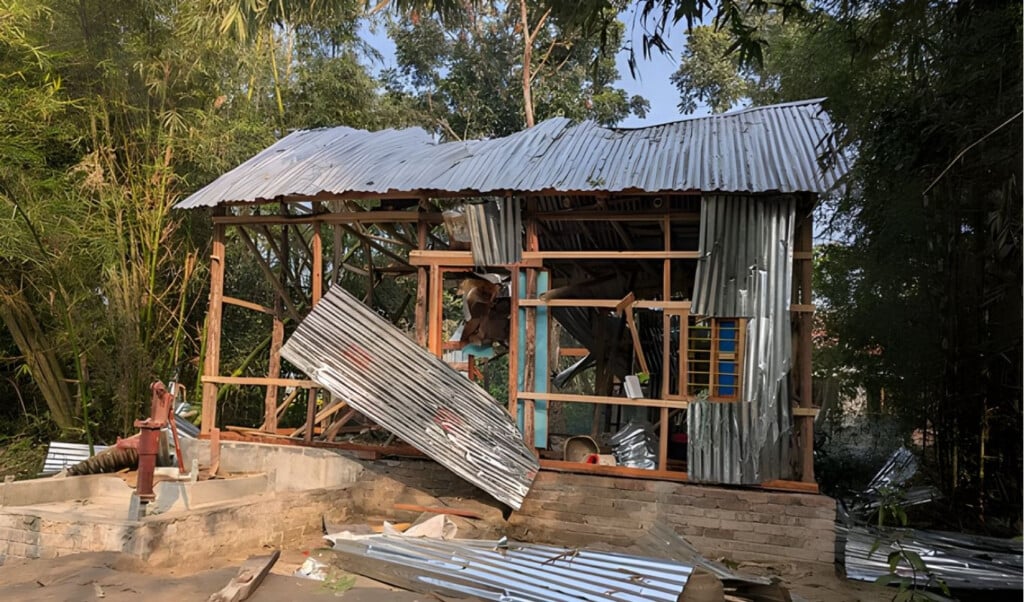
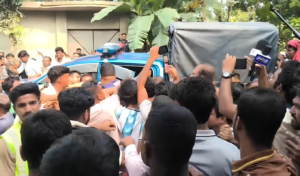
However, in the aftermath of the 2024 mass uprising, the growing infiltration of extremist and radical groups into university student politics, and their unchecked dominance in campus elections, has become not just alarming but a direct challenge to national security and Bengali identity. Attacks on cultural symbols, destruction of memorials of the Liberation War, suppression of theatre and cultural events, assaults on folk musicians, desecration of shrines, and attacks on minority communities signal a disturbing trend. These actions raise the fundamental question: are these individuals truly the youth of our nation, the torchbearers of its future?
Bangladesh earned its independent identity through the nine-month Liberation War of 1971. This hard-won victory, celebrated every 16 December, was the culmination of decades of resistance—from the 1952 Language Movement, the 1962 Education Movement, the 1966 Six-Point Programme, the 1969 Mass Uprising, to the 1970 elections. In each struggle, youth played a decisive role, whether fighting with arms in 1971 or leading the fall of military rule in 1990. In 2024, the spirit of that same courage ignited mass movements across the country.
Yet, recent events reveal that some young leaders from the 2024 uprising are now masking their extremist affiliations, presenting themselves as ordinary students while advancing radical ideologies. Across the country, statues, historic houses, and symbols of the Liberation War have been vandalised, progressive artistic expression suppressed, and dissenting voices intimidated. International reports warn that extremist elements are consolidating and seeking to manipulate religion for political gain. Alarmingly, such groups have gained unchecked dominance in university student elections—from Dhaka and Chittagong to Rajshahi, Jahangirnagar, and most recently Jagannath University.
Key Historical Youth Contributions in Bangladesh
| Year | Movement / Event | Role of Youth |
|---|---|---|
| 1952 | Language Movement | Defended linguistic and cultural identity |
| 1962 | Education Movement | Advocated educational rights |
| 1966 | Six-Point Programme | Mobilised political awareness |
| 1969 | Mass Uprising | Paved the way for democratic reforms |
| 1971 | Liberation War | Fought for independence with arms |
| 1990 | Mass Movement | Ended military dictatorship |
| 2024 | Mass Uprising | Asserted democratic rights and civic justice |
It is time for the nation to ask why the ethos of the Liberation War is fading among today’s youth. Political manipulation and the distortion of historical memory threaten to erode the values of freedom, justice, and secularism. Without educating the next generation with the correct, unadulterated history of our struggles, we risk compromising the legacy of our independence and national pride.
Youth is not merely a stage of life; it is a mindset, a force capable of transforming society, the state, and even the world. True youth embodies tireless energy, creativity, and the willingness to embrace challenges. It is a period of learning, growth, and vision. But youth must never be seduced by extremism or used to propagate chaos. The energy of young people should ignite progress, uphold humanity, and defend the values that define our nation.
Manjur Rashid Bidyut
Social Analyst, Researcher, and Policy Advocate