Thursday, 20th August 2026

Khabor Wala Desk
Published: 9th January 2026, 9:56 PM
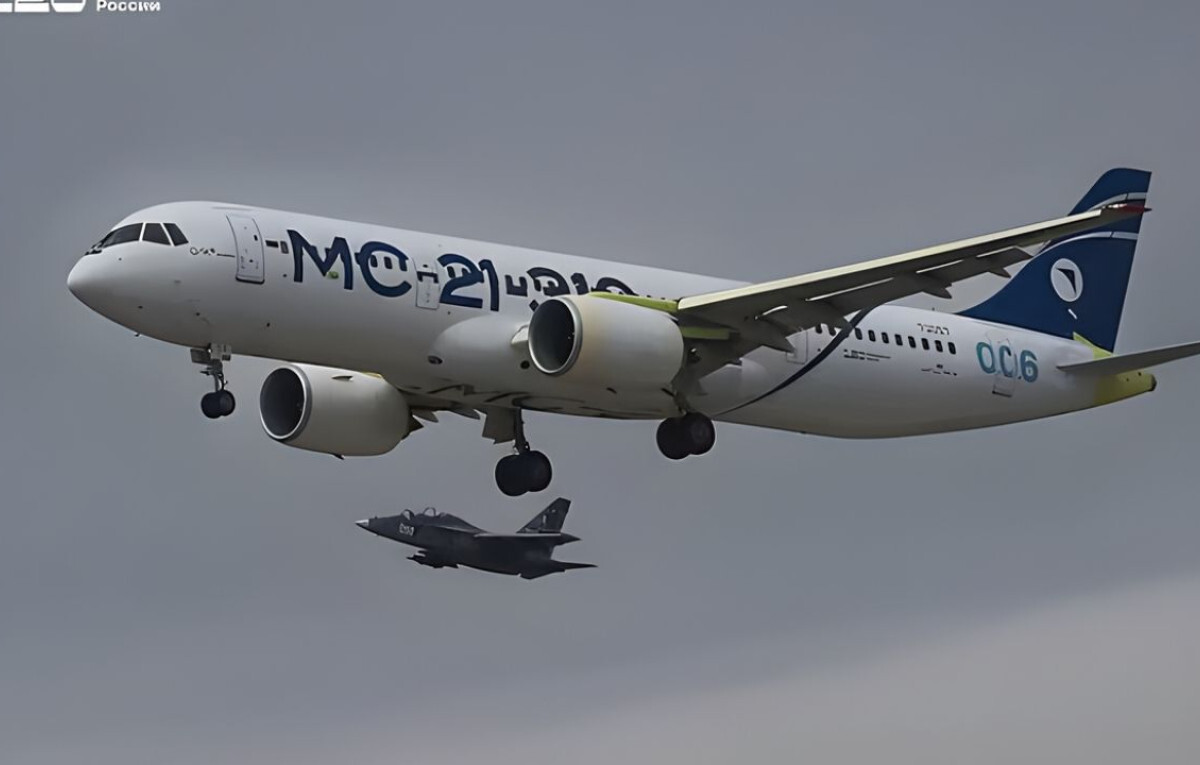
In a move that has sent ripples through the international intelligence community, the Russian Federation has executed a rapid, high-priority evacuation of diplomatic personnel and their dependents from Israel. Within a window of less than twenty-four hours on Thursday, 8 January 2026, three dedicated aircraft departed from Ben Gurion Airport, carrying government officials and their families back to Moscow. The suddenness of the operation, conducted without prior public notice, has sparked intense speculation regarding the stability of the regional security apparatus.
According to reports first surfaced by Israel’s Channel 14 and subsequently corroborated by several Middle Eastern and Iranian news outlets, the flights were operated with a level of urgency seldom seen in routine diplomatic rotations. Observers noted that the logistical coordination for these flights was “accelerated,” bypassing standard bureaucratic timelines usually associated with the movement of high-ranking foreign officials.
Despite the high-profile nature of the evacuation, the Kremlin has maintained a stony silence. No official statement has been released to clarify whether this move constitutes a temporary safety measure or a broader strategic withdrawal. When approached by international press agencies, Russian civil aviation and foreign ministry authorities declined to comment on the nature of the “sensitive information” that may have prompted the exodus.
Table: Summary of Russian Emergency Flight Operations
| Flight Attribute | Operational Detail | Source/Status |
|---|---|---|
| Timeframe | Under 24 Hours (Thursday) | Confirmed (Channel 14) |
| Flight Count | 3 Emergency Aircraft | Verified by Flight Tracking |
| Passenger Profile | Diplomats, Spouses, & Children | Iranian & Israeli Media |
| Origin/Destination | Tel Aviv (TLV) to Moscow (SVO/VKO) | Independent Logs |
| Official Status | Unexplained / Non-Routine | Kremlin (No Comment) |
The timing of the evacuation is particularly conspicuous given the heightened tensions currently permeating the Middle East. Analysts suggest that Moscow may have received credible intelligence regarding an imminent escalation or a specific threat directed at its diplomatic missions. The lack of coordination with the Israeli Foreign Ministry—which was reportedly not briefed on the specific reasons for the sudden departures—has added a layer of diplomatic friction to an already volatile relationship.
Some geopolitical observers posit that the move could be linked to the recent surge in regional hostilities, while others speculate on more clandestine reasons, such as a breakdown in back-channel communications between Moscow and Tel Aviv. The inclusion of family members suggests a long-term contingency plan rather than a mere tactical shift.
While the general identity of those evacuated is known to be diplomatic staff, the specific roles of the officials involved remain classified. The speed of the operation has led to theories that “sensitive assets” or high-level intelligence officers were among those removed. For now, the international community remains in a state of high alert, waiting to see if this Russian withdrawal is a precursor to a larger geopolitical realignment in the Levant.



Comments