Thursday, 20th August 2026

Khabor Wala Desk
Published: 9th January 2026, 9:49 PM
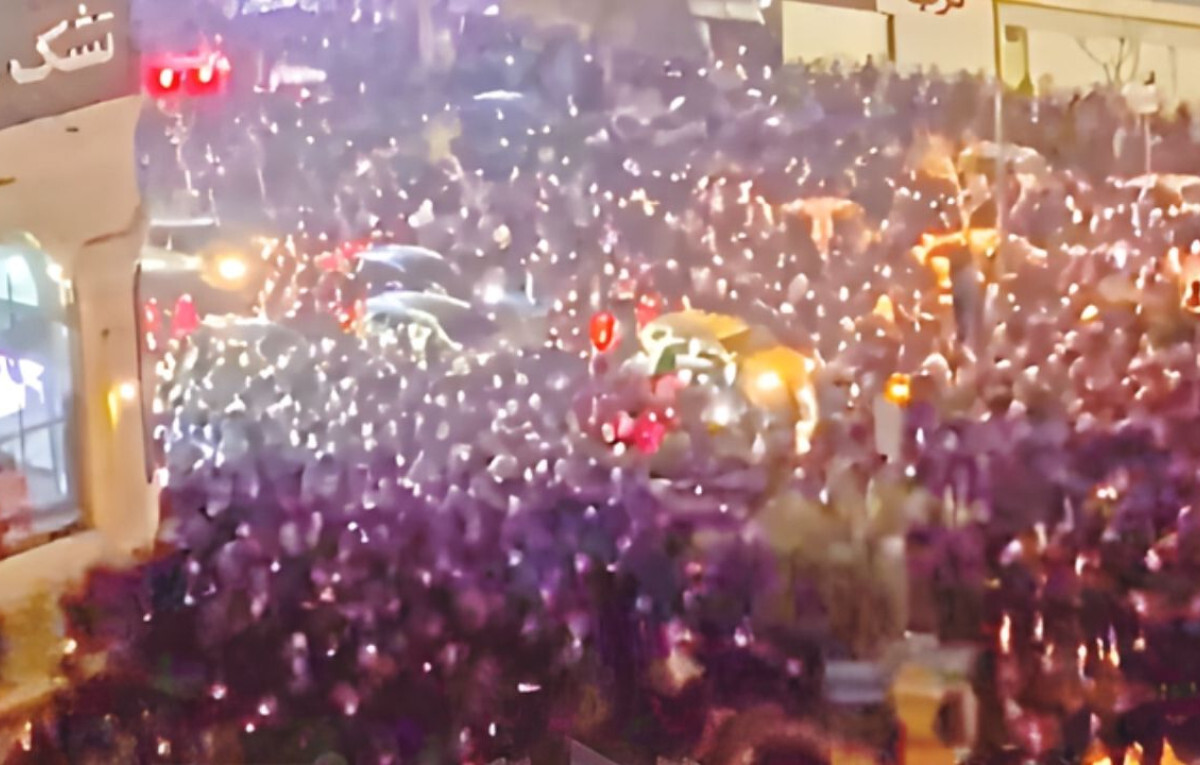
A wave of anti-government fury, ignited by economic desperation, has surged across the Islamic Republic of Iran, evolving into a nationwide movement demanding the total collapse of the ruling clerical establishment. As the protests entered their thirteenth day on Friday, 9 January 2026, the death toll reached a grim milestone. According to Iran Human Rights (IHR), at least 45 individuals, including eight children, have been killed in violent clashes with state security forces.
What began as a localized strike by merchants in late December has now metastasized into a rebellion spanning all 31 Iranian provinces. From the capital, Tehran, to over a hundred secondary cities, a diverse coalition of students, young women, and laborers has taken to the streets. The scale of the unrest is being described as the most significant challenge to the state since the 2022 “Woman, Life, Freedom” movement.
The physical landscape of the protest is marked by fire. State television buildings, metro stations, and banks have been torched, while footage on social media platforms shows protesters tearing down national flags and burning government vehicles. In Isfahan, the regional headquarters of the state broadcaster IRIB was reportedly set ablaze, with crowds chanting, “Death to the Dictator.”
Table: Iranian Crisis Metrics (As of Day 13)
| Statistical Category | Data Point | Primary Source |
|---|---|---|
| Confirmed Fatalities | 45 (including 8 children) | Iran Human Rights (IHR) |
| Total Arrests | 2,270 individuals | Independent Monitors |
| Geographic Reach | 31/31 Provinces (100+ cities) | HRANA / Rights Groups |
| Connectivity Status | Total National Blackout | NetBlocks |
| Inflation Rate | Exceeding 40% | Economic Analysis |
The unrest is rooted in a catastrophic economic spiral. Decades of Western sanctions, compounded by the massive financial toll of last year’s 12-day conflict with Israel, have left the Iranian Rial in freefall. With inflation soaring above 40%, ordinary citizens are struggling to afford basic necessities, even as allegations of systemic corruption among the ruling elite continue to surface.
The situation has been further inflamed by rhetoric from Washington. US President Donald Trump has issued provocative warnings, suggesting that the United States is prepared to strike Iran if the crackdown continues. These threats follow recent US military actions in Venezuela, leading Supreme Leader Ayatollah Ali Khamenei to accuse the protesters of acting as “foreign mercenaries” and “terrorist agents” for the Trump administration.
To contain the chaos, the Iranian government has implemented a near-total internet blackout. NetBlocks reports that connectivity has been severed for over 24 hours, paralyzing the banking sector and preventing international news agencies from verifying casualty figures. Digital security experts note that the state is even utilizing advanced military jamming technology to disrupt Starlink satellite signals.
The instability has also bled into international aviation. On Friday, major carriers including Turkish Airlines, Emirates, and Qatar Airways cancelled dozens of flights to Tehran and other major Iranian cities, citing severe safety risks.
From his exile in the United States, Reza Pahlavi, the son of the late Shah, has urged protesters to maintain their momentum. While he called for US intervention to support the people, President Trump has notably remained non-committal regarding a formal meeting with the exiled royal. Despite this, slogans of “Long live the Shah” were heard in cities like Babol, signalling a nostalgic, if divisive, yearning for a pre-revolutionary era.
As the sun sets on the thirteenth day of conflict, Iran remains a nation on the brink, shrouded in digital silence and braced for an even more violent escalation.

Comments