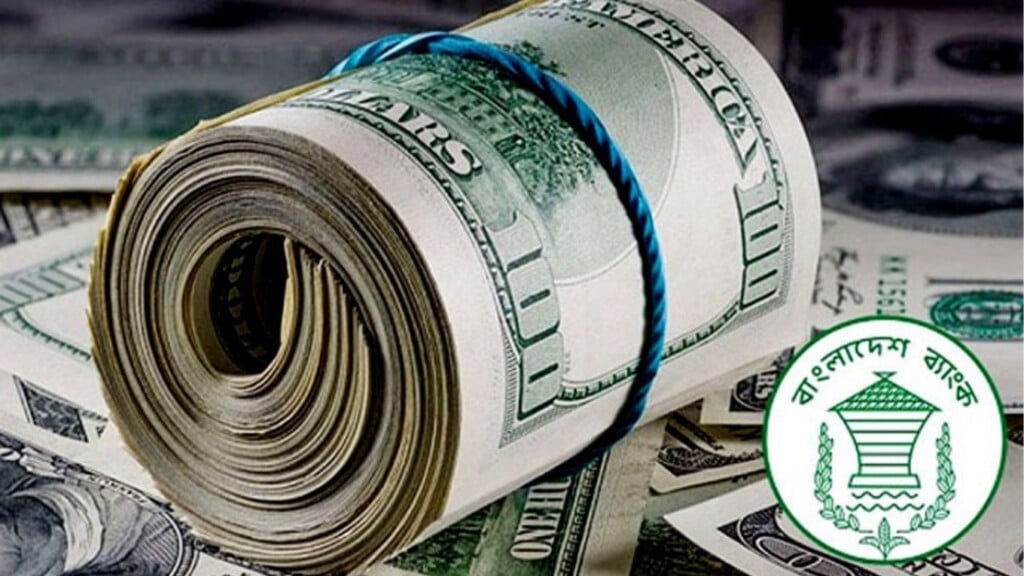
The Bangladeshi economy has received a significant boost in the opening days of 2026, with remittance inflows reaching a staggering $1.127 billion within the first ten days of January. According to data released by the Bangladesh Bank on Sunday, 11 January 2026, this surge represents a robust start to the year, maintaining the momentum observed during the latter half of the previous year.
A Comparative Leap in Inflows
Arif Hossain Khan, the spokesperson for the central bank, confirmed that the daily average for the current month stands at approximately $112.7 million. This performance is particularly striking when compared to the same period in 2025, during which the country received $717 million. The year-on-year growth for these initial ten days reflects a heightened confidence among the expatriate community and a preference for formal banking channels.
On 10 January alone, non-resident Bangladeshis (NRBs) funneled $57 million into the country. This upward trajectory is consistent with the broader fiscal trend; since the start of the 2025–26 fiscal year in July, total remittances have hit $17.39 billion, marking a remarkable 20% increase compared to the previous fiscal cycle.
Table: Comparative Remittance Performance (January & Fiscal Year-to-Date)
| Period | 2025 Performance | 2026 Performance | Growth Percentage |
|---|---|---|---|
| First 10 Days of January | $717 Million | $1.127 Billion | ~57% |
| Fiscal Year-to-Date (July–Jan 10) | $14.49 Billion* | $17.39 Billion | 20% |
| Highest Single Month (Dec) | $1.98 Billion* | $3.22 Billion | 62.6% |
| Daily Average (Jan) | $71.7 Million | $112.7 Million | 57% |
*Estimated based on historical 20% growth trajectory.
Record-Breaking December Sets the Stage
The current surge follows a historic performance in December 2025, which saw the country record $3.22 billion in remittances. This figure stands as the highest monthly inflow for the current 2025–26 fiscal year and the second-highest in the history of Bangladesh, surpassed only by the extraordinary peaks seen during the pandemic era.
Economic Implications and Policy Drivers
The sustained increase in inflows is attributed to several strategic interventions by the Bangladesh Bank and the interim government. Enhanced exchange rate stability and the narrowing gap between the formal and informal (kerb) market rates have encouraged expatriates to utilise official channels. Furthermore, the 2.5% cash incentive provided by the government continues to serve as a primary motivator for low-wage earners abroad.
As the nation grapples with foreign exchange reserve pressures, this influx of “greenback” liquidity provides a crucial cushion for import payments and debt servicing. Economists suggest that if this trend persists, the total remittance for the 2025–26 fiscal year could potentially shatter all previous annual records.