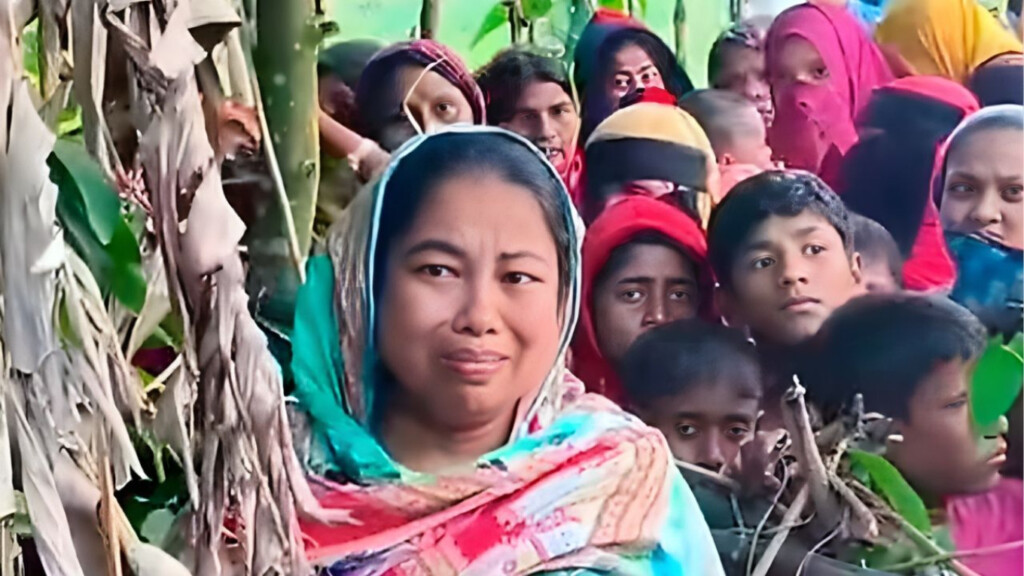
Dhaka is currently grappling with a debilitating energy emergency as a dual shortage of piped natural gas and Liquefied Petroleum Gas (LPG) parches the city’s kitchens. From affluent neighbourhoods like Dhanmandi to densely populated zones such as Kamrangirchar, residents are facing a grim reality: dry taps, empty cylinders, and a desperate pivot towards alternative cooking methods.
A City Without Fuel
For over a week, a significant portion of the capital has reported almost zero gas pressure. Areas including Mohammadpur, Shyamoli, New Market, Hazaribagh, Gabtoli, and Khilgaon have been hardest hit. Piped gas customers, who are still mandated to pay fixed monthly bills, describe a “phantom supply” that only appears between midnight and the early hours of the morning, vanishing before the breakfast rush.
Mir Huzaifa Al Mamduh, a resident of Mohammadpur, shared a common plight: his stove has remained cold since Tuesday. Despite temporary repairs by technicians on Saturday night, the supply flickered for mere minutes before failing again. Similarly, F.M. Anwar Hossain from West Dhanmandi noted that his family has survived on expensive food deliveries for days, eventually deciding to invest in an electric cooker to escape the unpredictability of the grid.
The LPG and Electric Market Surge
The crisis is exacerbated by a severe bottleneck in the LPG market. Even as piped gas fails, the alternative—cylinders—has become nearly impossible to procure. In Moghbazar, building supervisors have reportedly spent days fruitlessly searching for refills. Where available, prices have skyrocketed to predatory levels, with 12kg cylinders retailing for as much as 2,500 BDT, nearly double the usual rate.
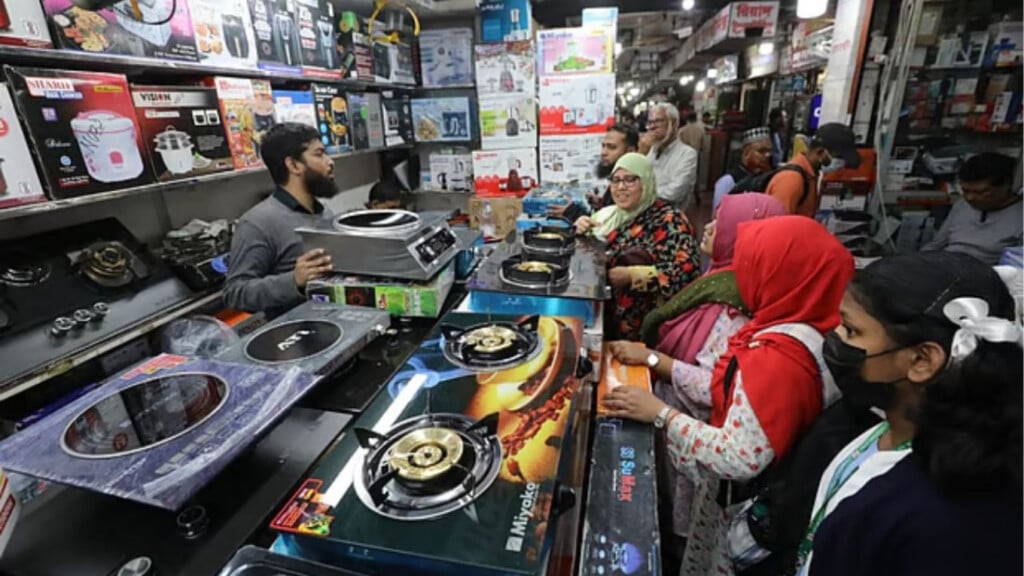
This scarcity has driven a massive influx of customers to electronics hubs such as Baitul Mukarram and New Market. Retailers report a record surge in the sale of induction hobs, infrared cookers, and rice cookers. However, this transition brings its own set of anxieties, as residents fear a subsequent spike in their monthly electricity bills.
Table: Comparison of Domestic Cooking Alternatives in Dhaka (Jan 2026)
| Method | Current Availability | Estimated Cost Impact | Primary Drawback |
|---|---|---|---|
| Piped Gas | Extremely Low / Intermittent | Fixed Monthly Bill | Unpredictable pressure; night-only supply. |
| LPG Cylinder | Critical Shortage | 2,400 – 2,500 BDT (12kg) | Price gouging; supply chain collapse. |
| Electric Stove | High (Market availability) | Significant rise in Tariff | Risk of load shedding; high running cost. |
| Clay Stove | Moderate (Low-income areas) | Low (Wood/Coal fuel) | Health hazards; impractical for apartments. |
Technical Failures at Titas Gas
According to Titas Gas Transmission and Distribution PLC, the collapse of the network is attributed to two major technical catastrophes. Firstly, a primary pipeline running beneath the Turag River has sustained significant damage. Secondly, a high-pressure valve explosion in the Sher-e-Bangla Nagar area has crippled distribution to central and western Dhaka.
These incidents have compounded an already fragile system, leaving the utility provider struggling to maintain even a baseline level of pressure. As repairs continue, the social divide is widening: while the middle class buys electric hobs, low-income families in areas like Kamrangirchar are returning to traditional clay stoves, a move that signals a regression in urban energy standards.