Old Dhaka has once again been swept up in colour, music and festivity as residents celebrate Sakrain, the traditional festival marking Poush Sankranti. From the narrow alleyways to the rooftops of centuries-old buildings, the historic quarter has transformed into a vibrant canvas of lights, kites and communal celebration. Shops selling kites, reels and strings are doing brisk business, while rows of illuminated rooftops signal the arrival of one of Old Dhaka’s most cherished cultural events.
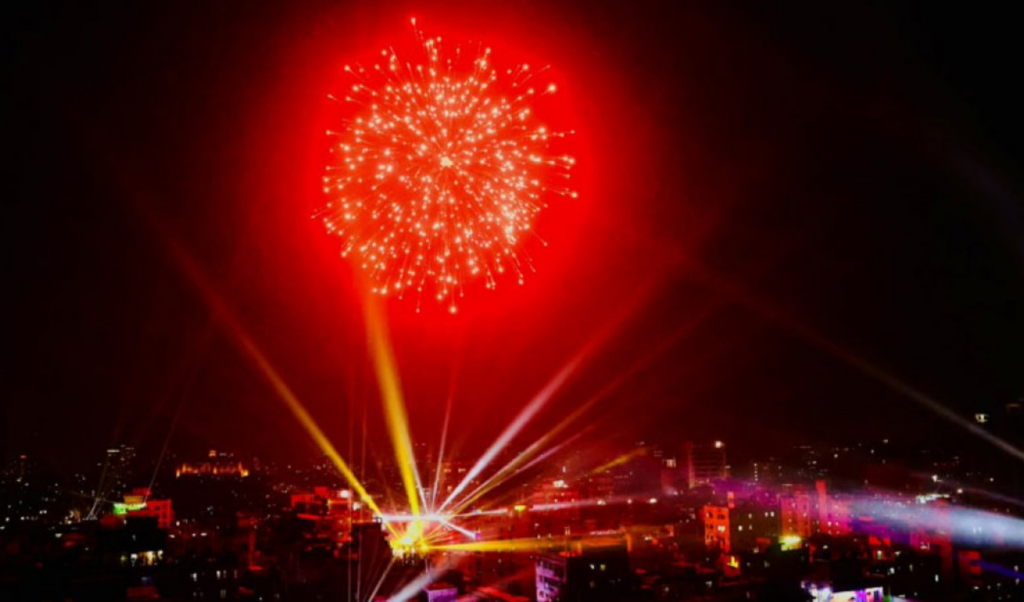
Sakrain is widely regarded as a symbol of Old Dhaka’s identity, heritage and collective memory. Observed every year on the final day of the Bengali month of Poush, the festival brings together people of all ages. Throughout the day, children, teenagers and adults alike participate in kite-flying contests, filling the winter sky with colour and friendly rivalry. As dusk falls, fireworks and glowing paper lanterns light up the skyline along the Buriganga River, creating a spectacle that has defined the city’s winter evenings for generations. Festivities often continue late into the night with music, food and rooftop gatherings.
Preparations for Sakrain begin well in advance. In areas under Kotwali Police Station, celebrations were in full swing on Wednesday, 14 January, with loud music already echoing from rooftops since the previous day. While many residents revel in the energy and excitement, others have expressed concern over excessive noise. Members of civil society argue that ignoring official restrictions has turned sound pollution into an accepted part of the festivities.
A visit to Shankharibazar, Lakshmibazar, Nayabazar, Tantibazar, Gandaria, Dhupkhola and Sutrapur over the past few days reveals an intense rush of buying and selling. Rooftops are decorated elaborately for night-time events, and young people can be seen dancing and singing as part of the celebrations.
Kotwali Police Station’s Officer-in-Charge, Moniruzzaman, stated that the Dhaka Metropolitan Police has issued clear guidelines for Sakrain. Playing loud music throughout the night in a way that disturbs others is prohibited, and law enforcement teams remain alert to prevent accidents and maintain public order.
Local traders report strong sales. Kite seller Jagadish from Shankharibazar said business is better than last year, with customers buying according to demand. Residents such as Palok shared that kite flying is a family tradition, noting that they purchased around 30 kites to enjoy the festival together. School students echoed similar sentiments, saying the thrill of kite-cutting competitions is the highlight of Sakrain.
However, the growing trend of DJ and night parties after daytime kite flying has sparked debate. While some embrace it as modern celebration, many locals view it as a deviation from tradition.
The word “Sakrain” is derived from the Sanskrit “Sankranti,” adapted into local dialect over time. Due to differences between the Bengali calendar and almanac dates, the festival is often observed over two days. Although rooted in Hindu tradition, Sakrain has evolved into a shared cultural celebration embraced by people of all backgrounds in Old Dhaka.
Key Features of Sakrain in Old Dhaka
| Aspect | Description |
|---|---|
| Occasion | Poush Sankranti |
| Main Activity | Kite flying and kite-cutting |
| Popular Areas | Shankharibazar, Lakshmibazar, Nayabazar |
| Evening Events | Fireworks and lanterns |
| Key Concern | Noise pollution and safety |
As kites dance across the winter sky and rooftops glow with festive lights, Sakrain continues to reflect the enduring spirit and communal harmony of Old Dhaka.