Thursday, 20th August 2026

Khabor Wala Desk
Published: 16th January 2026, 12:24 AM
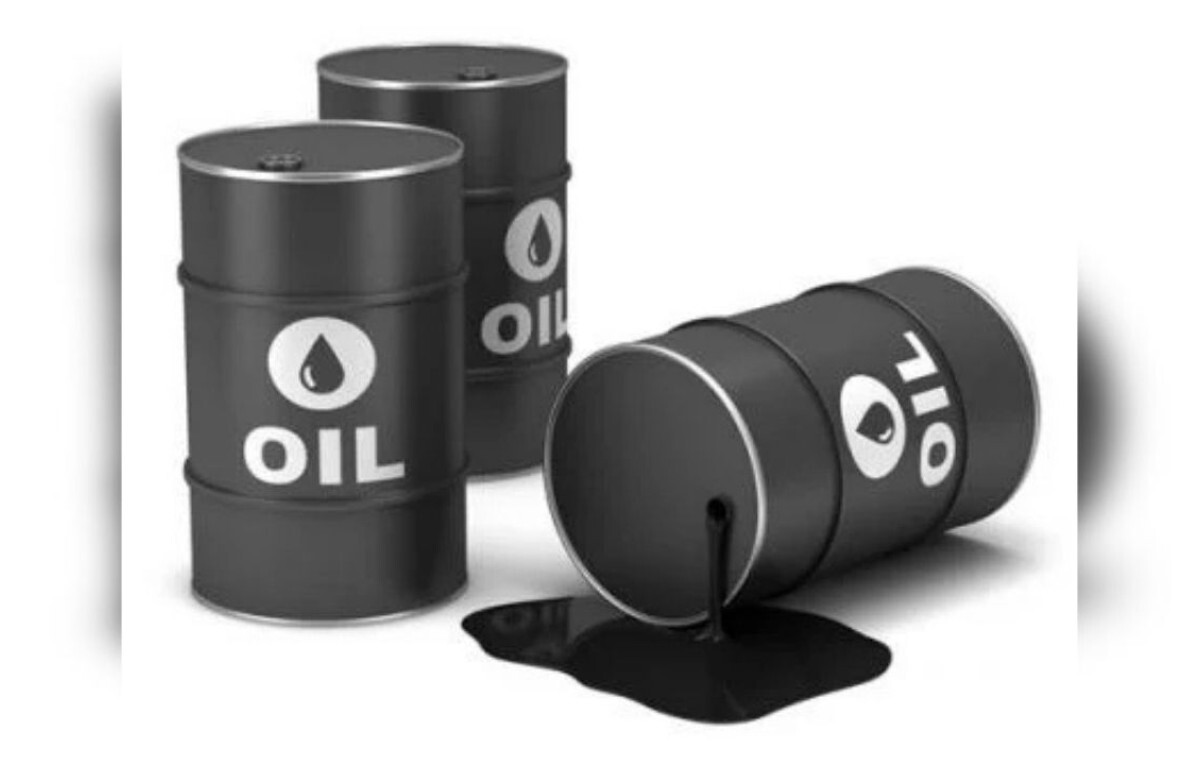
In a significant diplomatic and economic development, the United States has successfully facilitated the sale of Venezuelan crude oil valued at approximately $500 million. This transaction marks the inaugural phase of a broader $2 billion agreement between Washington and Caracas, signaling a potential shift in the long-standing geopolitical friction between the two nations.
According to high-ranking US administrative officials, the proceeds from this initial sale are being held in restricted bank accounts under strict government oversight. To ensure the security of the funds and mitigate the risk of seizure or legal interference, a complex financial architecture has been established.
A primary account has been set up in Qatar, which is serving as a neutral intermediary. This arrangement allows for the controlled transfer of funds under US authorisation, ensuring that the revenue is utilized in accordance with bilateral agreements. An official treasury order was issued last Friday to formalise the preservation and management of these assets.
The $500 million sale represents the first instalment of a multi-stage process. Intelligence from industry sources suggests that subsequent sales are scheduled to occur over the coming weeks and months until the $2 billion threshold is reached.
The logistics of these transactions are being monitored to ensure compliance with international maritime laws and US financial regulations. The following table outlines the key components of the current oil agreement:
| Agreement Component | Details |
|---|---|
| Total Contract Value | $2 Billion (USD) |
| Initial Sale Volume | $500 Million (USD) |
| Neutral Intermediary | State of Qatar |
| Financial Custodian | US-controlled restricted accounts |
| Regulatory Framework | US Treasury Executive Order |
| Primary Goal | Bilateral stabilisation and energy security |
This deal is being viewed by analysts as a “new milestone” in the complex relationship between the United States and Venezuela. By allowing the sale of Venezuelan oil under controlled conditions, Washington is navigating a delicate balance between maintaining sanctions pressure and addressing global energy demands.
A US official reiterated that the funds remain under the sovereign control of the American government for the time being. The capital will be deployed according to specific national security protocols and established rules governing high-value oil transactions. As the remaining $1.5 billion worth of oil enters the market, the global community will be watching closely to see if this economic cooperation paves the way for deeper diplomatic engagement.



Comments