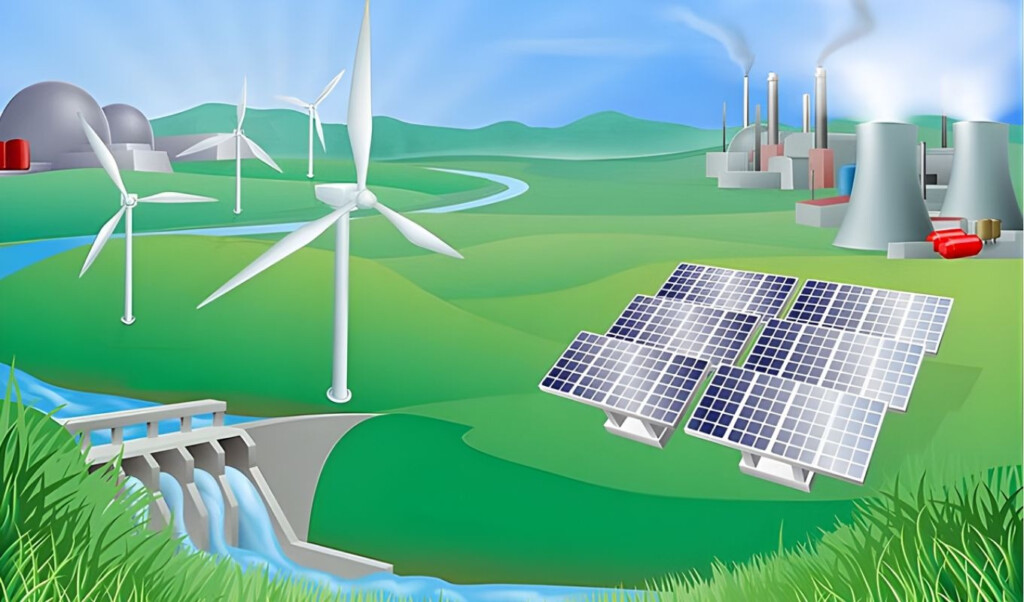
Dubai — Households across the globe may feel the effects of the energy transition most sharply in two everyday areas in 2026: electricity bills and insurance availability. According to the Moody’s Sustainable Finance 2026 Outlook, the interplay of energy security, rising power demand, and the mounting cost of extreme weather events is reshaping how governments, utilities, and financial institutions approach the shift to a low-carbon economy.
The report suggests that energy policy is entering a phase where affordability carries as much weight as emissions reductions. Low-carbon investment will continue, particularly in wind and solar, which are increasingly cost-competitive. However, governments and utilities are also expected to maintain fossil-fuel infrastructure to ensure a reliable baseload supply, especially as demand surges across digital infrastructure, cooling systems, and electrification projects. Emerging markets are forecast to account for the majority of new energy demand.
| Region | Key Energy Trend | Transition Considerations |
|---|---|---|
| United States | Expansion of natural-gas alongside low-carbon capacity | AI-driven electricity demand growth |
| Asia-Pacific | Continued coal use despite rapid renewable deployment | Balancing demand growth with decarbonisation |
| Europe | Climate policy recalibration | Competitiveness concerns, selective scaling back of sustainability reporting; EU Carbon Border Adjustment mechanism enforcement |
The transition is also increasingly shaped by supply-chain and geopolitical factors. Industrial policies in advanced economies aim to secure critical minerals and protect domestic manufacturing, while China’s dominance in clean-energy production remains pivotal. Competition over battery materials and rare earths adds both cost and geopolitical risk.
Climate-related physical risks are no longer distant concerns but immediate credit drivers. Swiss Re data cited in the report highlights $135 billion in global economic losses from natural catastrophes in H1 2025, with only 59% insured, revealing a persistent “protection gap.” Insurers are responding by raising premiums, limiting coverage, or exiting high-risk markets, with potential ripple effects on property values, tax revenues, and government finances.
Water stress and deforestation are emerging as material risks, particularly in data-intensive sectors such as cloud computing, where high water consumption in water-scarce regions may trigger regulatory pressure. Rising costs from climate- and nature-linked disruptions are expected to feed through consumer prices, especially in food and beverages.
Artificial intelligence is driving additional energy demand, with data centres becoming major electricity consumers. Fragmented rules on data protection and sovereignty are increasing compliance costs, while cyber risk and AI governance gaps remain concerning.
Despite global energy transition investment surpassing $2 trillion in 2024, the outlook estimates a $2.7 trillion annual gap by 2030, with emerging markets most constrained. Private credit, blended finance, and sustainable debt instruments addressing resilience and adaptation are likely to expand, while carbon markets continue to evolve under the Paris Agreement framework.
In 2026, the convergence of electricity affordability, insurance resilience, and AI-driven demand will shape both household finances and corporate credit decisions. Effective adaptation spending and credible transition planning are emerging as critical differentiators for governments, businesses, and financial institutions.