Even though he runs a modest grocery shop in Mirpur, Khalilur Rahman prefers to purchase food items for his only daughter from slightly upscale department stores. He believes that higher-priced, reputable brands are safer and more nutritious for children. Similarly, Saleha Chowdhury, a resident of Poribag, opts for costlier products for her young son, convinced that quality comes at a price. Across Dhaka, parents increasingly associate brand reputation with child health, seeking products they hope are free from harmful additives.
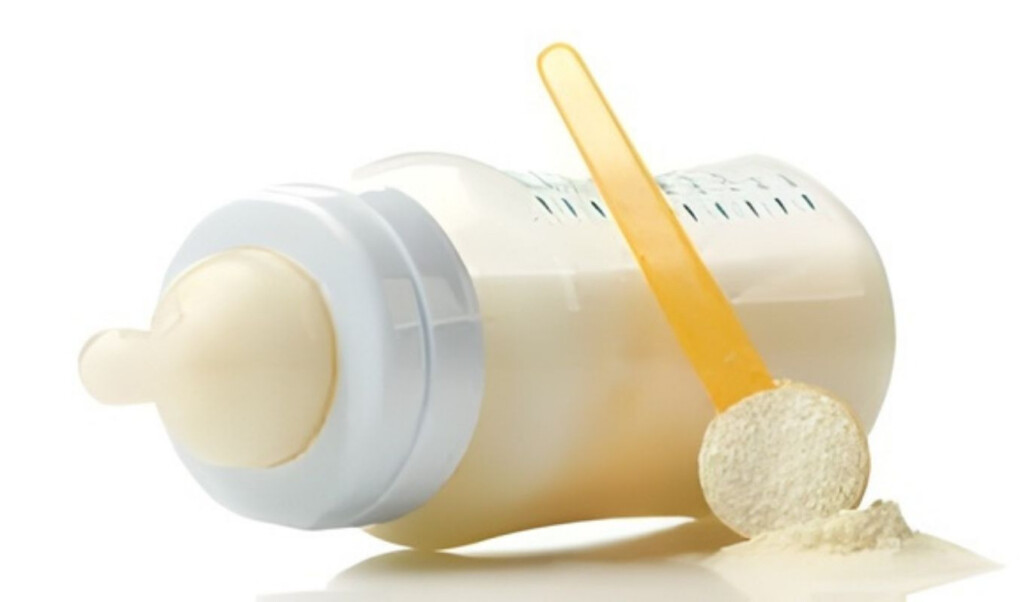
Yet recent investigations have revealed a disturbing reality: many so-called “premium” products are adulterated. Items parents trust for their children often contain harmful substances. Popular powdered milk—a staple in countless households—is being diluted with cheap adulterants, known locally as ‘hoye powder’, leaving minimal genuine dairy content. Laboratory tests have produced alarming findings. For instance, a sample of Goalini Daily Full Cream Milk Powder contained only 17% actual dairy, with the remaining 67% composed of adulterants.
Laboratory Test Results: Goalini Full Cream Milk Powder
| Component | Expected Standard | Found in Sample | Adulteration % |
|---|---|---|---|
| Dairy content | ≥76% | 17.08% | 67.44% |
| Dairy fat | ≤42% | 7.58% | 34.42% |
| Dairy protein | ≥34% | 9.50% | 24.50% |
| Acidity | ≤18% | 13.14% | – |
| Moisture | 5% | 4.11% | – |
Investigations also revealed adulteration in other imported and domestic brands, including Danone, Danish, Nestlé, and Starship, with products falsely displaying the BSTI (Bangladesh Standards and Testing Institution) logo. To counter fraud, BSTI officials have now introduced QR codes on packaging, allowing consumers to verify product authenticity directly.
Judicial action has followed in some instances. The Special Metropolitan Magistrate ordered the withdrawal of substandard Goalini products from the market and imposed a fine of BDT 300,000. The company chairman admitted guilt in court and committed to removing all adulterated stock.
Public health experts warn that prolonged consumption of such adulterated foods can severely affect children’s health, leading to kidney damage, stunted growth, and delayed cognitive development. Dr. Md. Aktar Imam of the Bangladesh National Nutrition Council stressed that both government oversight and parental vigilance are vital to safeguarding children from long-term harm.
Zakaria, Chairman of the Bangladesh Safe Food Authority, confirmed that field-level monitoring is ongoing, with 1,500–2,000 samples tested annually. Efforts are underway to expand laboratory capacity, strengthen inspections, and prosecute both domestic and international manufacturers responsible for distributing adulterated children’s foods.
Parents like Khalilur and Saleha may pay more for premium brands, but these recent revelations underscore a pressing truth: price and packaging alone are no guarantee of safety. Vigilance, testing, and systemic enforcement remain essential to truly protect the nation’s youngest consumers.