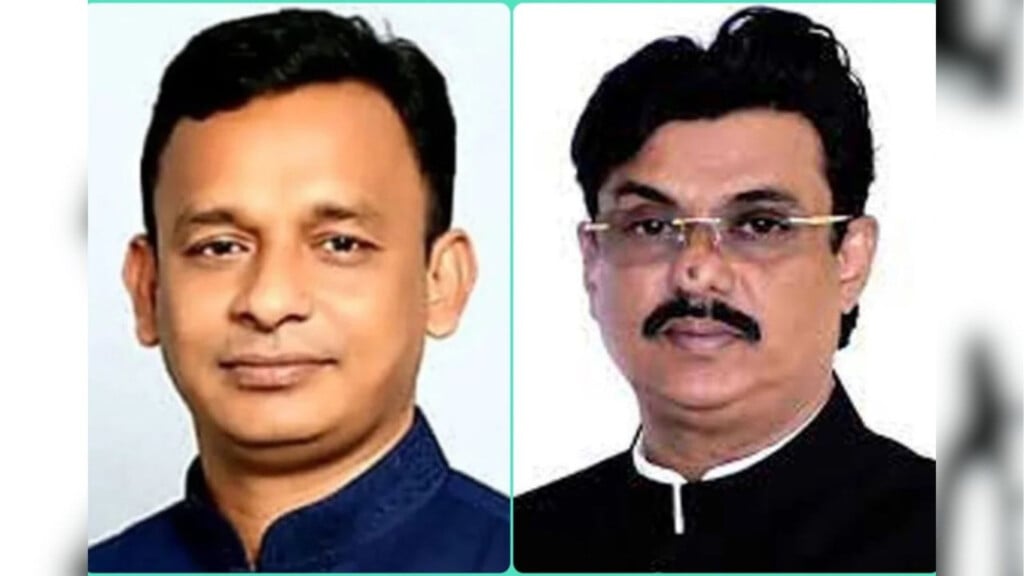
In a remarkable turn of events for the upcoming 13th National Parliamentary Elections, the Gopalganj-1 constituency (comprising Muksudpur and Kashiani) is set to witness a rare democratic phenomenon. Two prominent candidates are currently slated to contest their seats from behind bars, following legal battles over their candidacies and ongoing detentions.
The Contenders in Custody
The first candidate, Ashraful Alam, an independent runner contesting under the ‘Football’ symbol, is currently detained in Keraniganj Jail, Dhaka. His brother, Barrister Nazmul Alam, confirmed that if bail is not secured before the polls, the campaign will proceed with the candidate in absentia. Ashraful’s affidavit reveals involvement in four separate legal cases.
The second candidate, Kabir Mia, representing the Gano Odhikar Parishad with the ‘Truck’ symbol, is incarcerated at Kashimpur Jail in Gazipur. Despite facing seven pending cases, his family remains defiant, stating that since the High Court has declared his nomination valid, he will proceed with his bid for parliament regardless of his physical detention.
Candidate Profile: Gopalganj-1 Parliamentary Race
| Candidate Name | Political Affiliation | Election Symbol | Current Location | Pending Cases |
|---|---|---|---|---|
| Ashraful Alam | Independent | Football | Keraniganj Jail, Dhaka | 4 |
| Kabir Mia | Gano Odhikar Parishad | Truck | Kashimpur Jail, Gazipur | 7 |
Legal Hurdles and Verification
The road to the ballot has been fraught with legal obstacles for both men. Initially, the returning officer rejected both nomination papers during the primary scrutiny phase. While Ashraful Alam successfully challenged the rejection to regain his candidacy, Kabir Mia’s status remained in limbo until a recent High Court intervention.
Md. Arif-uz-Zaman, the Deputy Commissioner and Returning Officer for Gopalganj, clarified the situation on Thursday. He noted that due to a slight delay in receiving the official copy of the High Court’s order, a final verification session was scheduled for late Thursday afternoon to formalise the candidates’ participation.
Implications for the Campaign
Campaigning from prison presents unique logistical challenges. Without the physical presence of the candidates, the burden of canvassing falls entirely upon family members and party grassroots workers. In Gopalganj-1, this has led to an unconventional “proxy campaign,” where supporters use the candidates’ detention as a rallying cry, framing them as political martyrs to garner public sympathy.
Under Bangladeshi law, an individual can contest an election from prison provided they have not been convicted of a moral turpitude offence with a sentence exceeding two years. As both Ashraful and Kabir are currently under-trial prisoners and have had their nominations validated by higher courts, they remain eligible to hold office if the electorate chooses them.