On the sidelines of the World Economic Forum in Davos, a controversial new initiative proposed by United States President Donald Trump has triggered fresh polarisation in global politics. The so-called “Board of Peace”, unveiled amid intense diplomatic activity, is being presented by Washington as a bold mechanism to support post-war reconstruction in Gaza and to lay the groundwork for enduring stability in the Middle East. Yet from its inception, the project has been dogged by scepticism regarding its intent, structure, and potential impact on the existing international order.
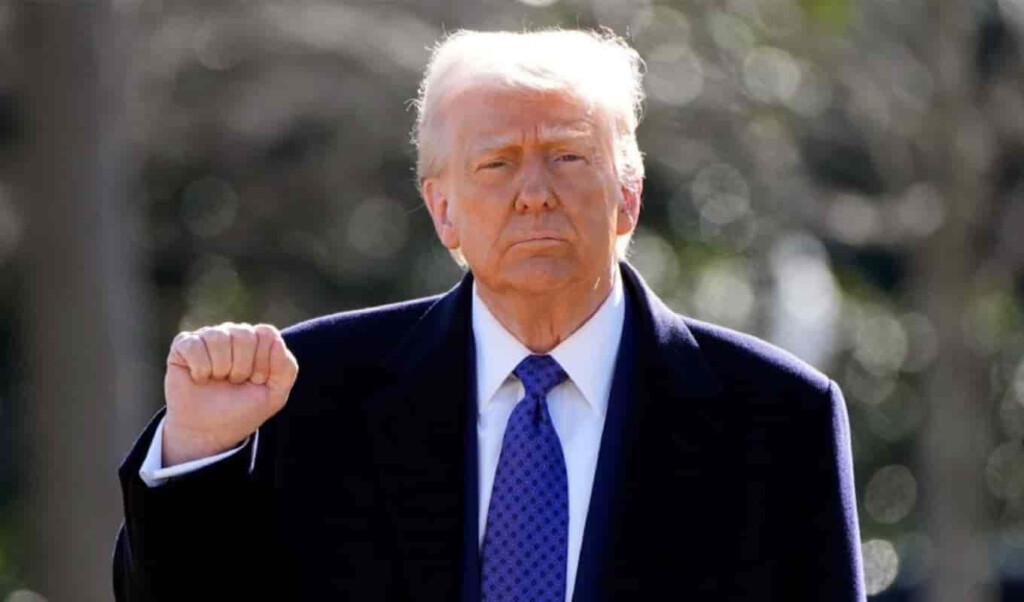
A formal signing ceremony to establish the board is scheduled for Thursday, 22 January, according to US officials. President Trump has publicly argued that the initiative reflects America’s unique capacity to deliver peace where multilateral institutions have failed. Speaking in Davos on Wednesday, 21 January, he declared that “without us, most of the world simply does not function properly”, a remark widely interpreted by analysts as reinforcing a vision of US-centric global leadership rather than cooperative multilateralism.
Although early briefings suggested the board would operate under a two-year United Nations mandate focused on Gaza’s reconstruction, its 11-page draft charter makes no explicit reference to Gaza at all. Instead, the document outlines an expansive international body with broad political, security, and administrative authority. Critics argue that this omission raises fundamental questions about whether the board is intended to complement the United Nations or, more controversially, to rival it as an alternative centre of global governance.
Under the proposed structure, President Trump would serve as chairman, wielding unilateral veto power over all decisions. The executive council would include a number of high-profile figures, among them Jared Kushner, US Secretary of State Marco Rubio, and former British Prime Minister Tony Blair. Separate civilian and military branches are also envisaged: a “National Committee for the Administration of Gaza” to oversee governance, and a military wing led by US General Jasper Jeffers tasked with enforcing permanent disarmament.
Several states have already confirmed their participation, while others have openly declined or remain undecided, as outlined below.
| Position on the Peace Board | Countries |
|---|---|
| Confirmed participants | Israel, Pakistan, Egypt, United Arab Emirates, Morocco, Saudi Arabia, Hungary |
| Declined participation | France, Denmark, Norway, Sweden |
| Undecided | India, Indonesia, Japan |
| No official position | China, Russia |
Israel’s decision to join has been particularly contentious, given that Prime Minister Benjamin Netanyahu faces an outstanding war crimes warrant from the International Criminal Court. European governments that have refused to participate cite concerns over legality, accountability, and the concentration of power within the proposed body.
According to Professor Andreas Krieg of King’s College London, some states may be joining less out of conviction than out of caution. He suggests that participation offers a means of maintaining direct access to the White House and avoiding diplomatic marginalisation. Meanwhile, China, which last year launched its own Global Governance Initiative, and Russia have so far remained conspicuously silent, fuelling speculation about a deeper strategic recalibration.
Whether Trump’s Peace Board evolves into a credible instrument for conflict resolution or becomes a vehicle for advancing narrowly defined national interests remains an open and fiercely debated question.