Friday, 21st August 2026

Khabor Wala Desk
Published: 22nd January 2026, 12:24 PM
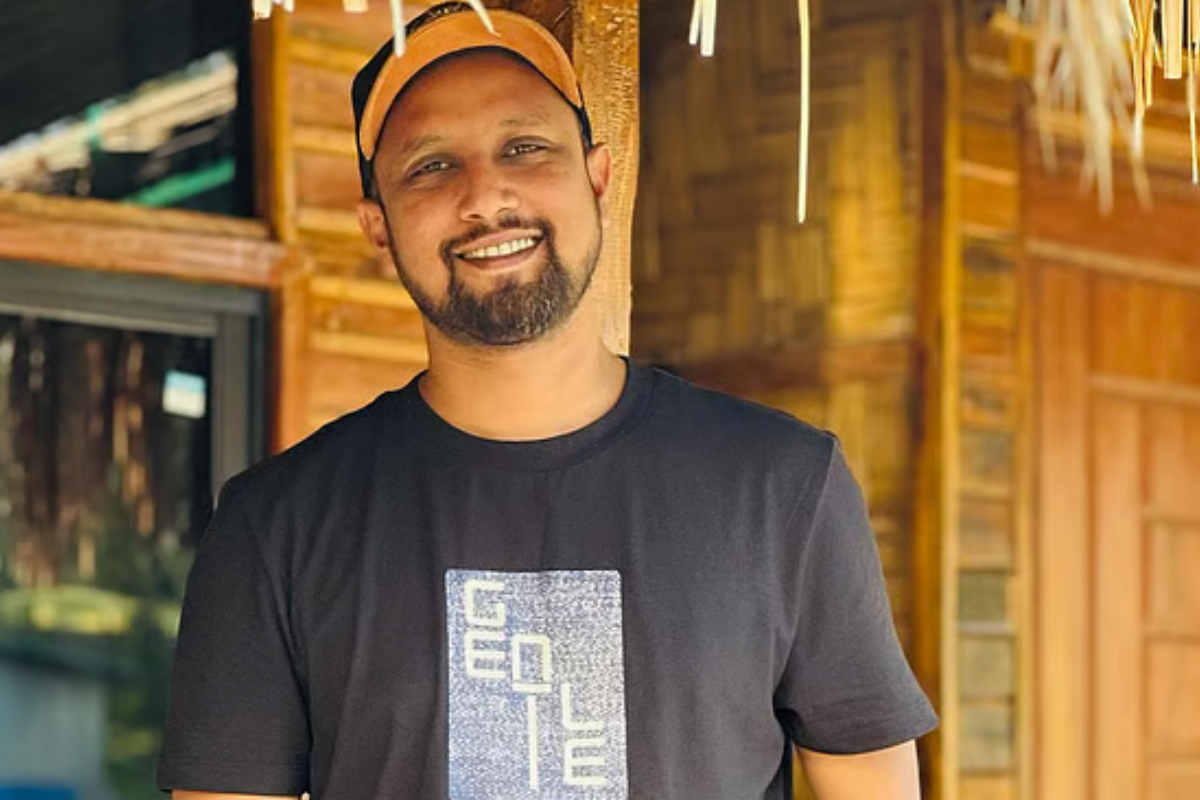
“Are you still busy?” I asked. “No, brother. I had a meeting at the office, but I’ve just returned,” replied Nahid Hasan when he called me later in the afternoon, having missed my earlier call. When I asked if he also had to maintain a day job, he smiled and said he had come to Dhaka to pursue music—but the reality was not so simple. Survival and earning a living were part of the struggle. Through our conversation, the story of this young artist from Thakurgaon unfolded: a journey of dreams, determination, setbacks, and emotional depth—themes mirrored in his songs.
Nahid is the first in his family to sing professionally, though his older relatives, including a large uncle and siblings, were active singers and connected with traditional Jatra theatre. His musical seed was sown unconsciously, but during college in Bogura, his passion deepened. By his second year, he was regularly writing and performing songs among friends. After graduation, like many ambitious youngsters, he realised that to make meaningful progress in music, he had to move to Dhaka—a decision that would bring both opportunity and hardship.
In 2014, shortly after arriving in Dhaka and enrolling at a private university, Nahid worked in a mobile phone shop to make ends meet. He invested around 12,000 taka—both savings and borrowed money—into a mixed album that included one of his own songs, scheduled for release during Eid. Tragically, before the album could be released, the producer took his own life. The song was never published.
Unreleased Song:
Title: Keno Emon Holo (“Why Did This Happen”)
Writer & Composer: Nahid Hasan
Status: Unreleased
“This incident shook me deeply,” Nahid recalled. “I had dreams and had saved money, but life is more precious than anything else. I still can’t fully accept it.”
Determined not to invest blindly in uncertain projects, Nahid spent the next three years refining his craft. By then, he had written and composed 16–17 songs and had gained proficiency with the guitar. In 2017, a chance meeting at Banani Supermarket with musician Autumnal Moon led to collaboration. The song they worked on took one and a half years to release. During this period, Nahid juggled work in Keraniganj and a modest lifestyle in Mirpur, sometimes spending as little as 100 taka a day on travel and food. The eventual release of Tomar Pichu Charbo Na marked the start of a new chapter in his career.
| Year | Event | Outcome |
|---|---|---|
| 2014 | Arrived in Dhaka | Started university and part-time work |
| 2014 | Invested in first album | Album cancelled due to producer’s death |
| 2017 | Met Autumnal Moon | Collaboration began |
| 2019 | Release of Tomar Pichu Charbo Na | Song became widely popular |
Nahid’s songs often reflect universal themes of love, heartbreak, personal struggle, and nostalgia, drawing on both his childhood and family life. Popular releases include Ghrina Thakuk, Babar Cycle, and Dukkho Dewar Manush. Many songs remain unpublished, and he plans a special EP dedicated to his parents, featuring both original compositions and poetry adaptations.
He has also contributed to playback singing, with Hawai Mithai marking his first foray into cinema. The shift from CD to digital platforms has allowed Nahid greater independence in releasing music, though he acknowledges tensions between artistic integrity and commercial considerations.
Despite challenges, Nahid’s ambition remains unwavering: to one day leave his day job entirely, dedicate himself fully to music, and share his songs with audiences worldwide—the very reason he came to Dhaka.



Comments