In a significant diplomatic shift that has sent ripples through South Asian geopolitical circles, the Government of India has officially decided to repatriate the families of its diplomats and government officials currently stationed in Bangladesh. This precautionary measure, cited as a “security-related contingency,” comes just weeks before Bangladesh is set to hold its 13th National Parliamentary Election.
While the Indian High Commission in Dhaka and its various assistant high commissions across the country will remain fully operational, the decision to withdraw non-essential personnel and dependents marks a cooling of relations. According to reports from the Press Trust of India (PTI), the Indian Ministry of External Affairs has advised officials that the current security environment warrants the return of their families to India.
Bangladesh Classified Alongside Pakistan and Sudan
Perhaps most striking is a report by the BBC suggesting that New Delhi has reclassified Bangladesh as a “non-family” posting. This bureaucratic designation places Bangladesh in the same category as high-risk nations such as Pakistan, Afghanistan, and Sudan. This shift implies that the security risks are deemed too high for the dependents of foreign service officers to reside in the country.
Comparative Diplomatic Status: India’s Posting Classifications
| Country | Status | Security Context |
|---|---|---|
| Bangladesh | Non-Family (New) | Pre-election volatility and civil unrest |
| Pakistan | Non-Family | Long-standing bilateral hostility |
| Afghanistan | Non-Family | Conflict zone/Political instability |
| Sudan | Non-Family | Civil war/Internal conflict |
| United Kingdom | Family Station | Stable bilateral relations |
The Response from Dhaka: “An Overreaction”
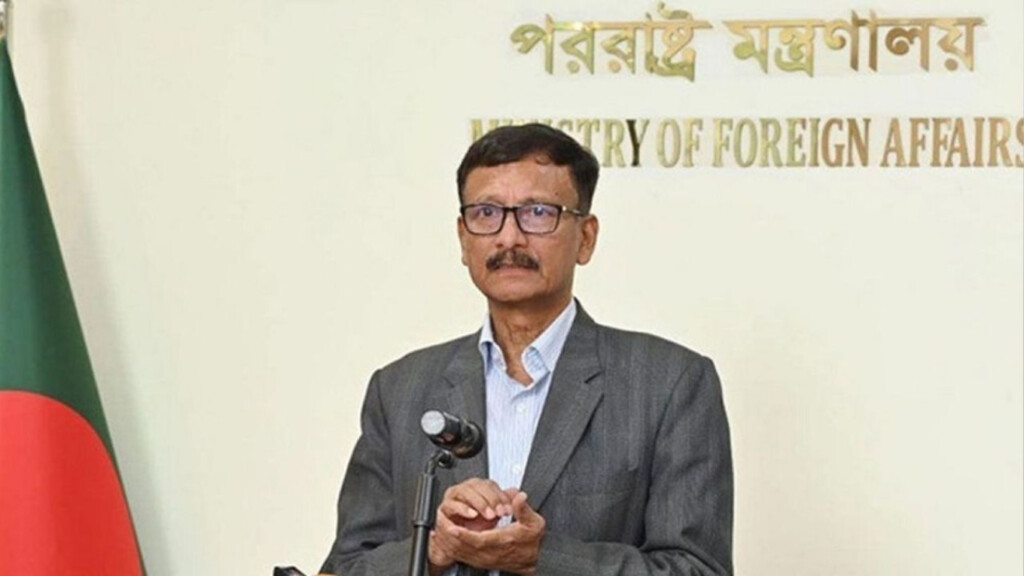
Addressing these developments, the Bangladesh Foreign Advisor, Md. Touhid Hossain, expressed a mixture of disappointment and stoicism. Speaking to BBC Hindi regarding the safety concerns, he was firm in his stance: “There is absolutely no evidence to suggest that we have failed to ensure the security of Indian nationals within our borders.”
When questioned about the decision to equate Bangladesh with Pakistan in terms of security risk, Hossain remarked, “If India chooses to place Bangladesh on the same level as Pakistan, that is their prerogative. Naturally, it is regrettable, but I cannot force them to change their internal classifications.”
The Future of Bilateral Ties
Hossain’s critique grew more pointed when discussing the broader health of the Indo-Bangla relationship. Reflecting on his four decades of experience in diplomatic roles, he noted a recurring pattern of “disproportionate responses” from New Delhi.
“If we desire a fruitful bilateral relationship, we must first decide if we genuinely want one. If we continue to take steps that systematically dismantle that bond, then the relationship will inevitably collapse,” he warned. He concluded by stating that while he expected a more measured and “better” response from India, Dhaka remains committed to protecting all foreign missions during the electoral period.