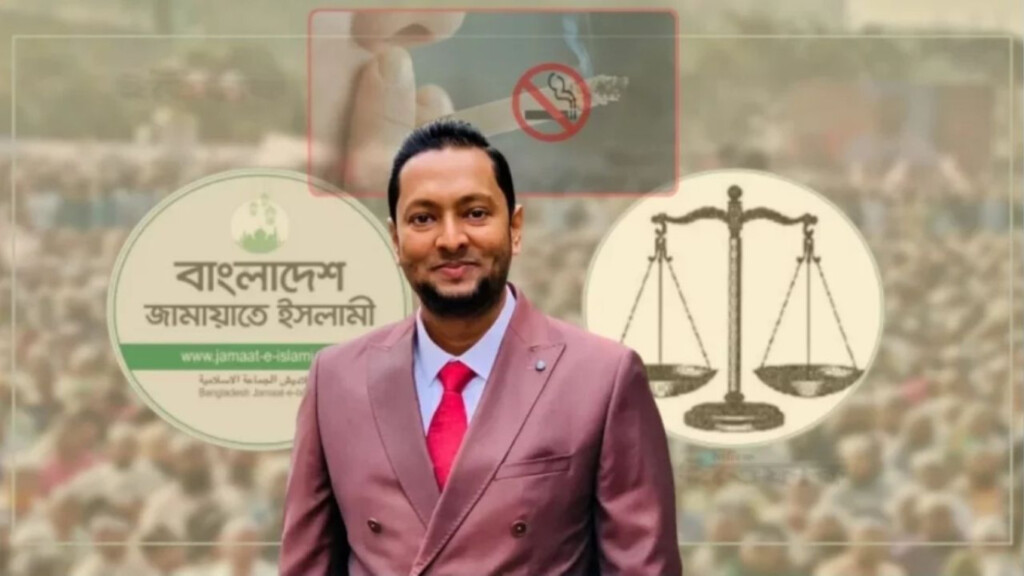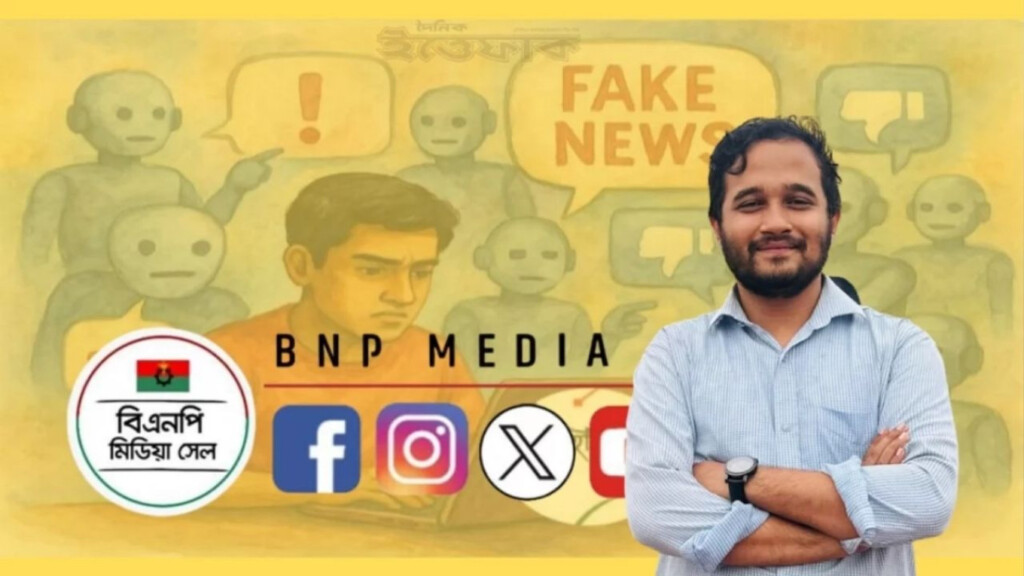
The digital battlefield of Bangladeshi politics has reached a fever pitch, with a viral observation sparking a nationwide debate over online influence. Mir Mahbubur Rahman Snigdho, a prominent BNP leader and brother of the celebrated “July Uprising” martyr Mir Mugdho, has shared a provocative analysis suggesting that the Bangladesh Nationalist Party (BNP) is losing the “social media war” to a sophisticated network of accounts linked to Bangladesh Jamaat-e-Islami.
The “Haha” React Phenomenon
The analysis, originally penned by researcher Atik UA Khan, highlights a startling trend on Facebook and YouTube. Khan observed that major policy announcements by BNP Chairperson Tarique Rahman have been met with an overwhelming deluge of “Haha” (laughing) reactions—a common tactic used to mock or discredit political messaging.
According to the metrics shared, the disparity is stark. A report on the BNP’s high-profile “Family Card Campaign” garnered approximately 130,000 reactions, a staggering 70% of which were “Haha” reacts. Similarly, the announcement of housing flats for the Korail slum dwellers saw 40,000 reactions, with 65% falling into the same derisive category.
Digital Sentiment Analysis: BNP Campaign Highlights
| Campaign Topic | Total Reactions (Est.) | Negative/Mockery (%) | Key Engagement Type |
|---|---|---|---|
| Family Card Scheme | 130,000 | 70% | High “Haha” React Volatility |
| Slum Housing Flats | 40,000 | 65% | Targeted Mockery |
| Mirza Abbas Briefing | 15,000 | 55% | Sustained Criticism |
| Official Media Cell Post | 25,000 | 40% | Mixed / Neutral |
Bots vs. The Grassroots
The core of the debate revolves around whether these reactions represent genuine public sentiment or a coordinated “bot” offensive. Khan posed a poignant question: Is the BNP Media Cell fundamentally weak, or is Jamaat-e-Islami deploying hundreds of thousands of bot IDs to drown out their rivals?
The analysis also touched upon a specific controversy regarding Dr Khaliduzzaman, the Jamaat candidate for Dhaka-17. BNP supporters had questioned the validity of his medical degree. However, Khan’s verification suggested the degree—an infertility specialisation from an Indian institution—was authentic, though it might remain unrecognised by Bangladeshi regulatory bodies due to its foreign origin.
The Paradox of Popularity
A fascinating contradiction exists between online metrics and traditional polling. While the BNP appears to be struggling on digital platforms, a recent survey by a leading national daily showed the party commanding nearly 70% of the public vote.
The discrepancy suggests a “Digital Divide” in political engagement:
The Silent Majority: BNP supporters, often rooted in rural areas and the “heartlands,” may be less active in the aggressive, high-frequency world of Facebook and YouTube comments.
The Digital Vanguard: Jamaat-e-Islami and its allies appear to possess a more disciplined, tech-savvy “netizen” base capable of dominating digital discourse through sheer volume.
Ultimately, Snigdho’s sharing of this observation serves as a “wake-up call” for the BNP leadership. As the 13th National Parliamentary Election approaches, the party may need to overhaul its digital strategy to ensure its message reaches the urban youth, who are heavily influenced by the social media environment.