In a chilling admission of state-sponsored violence, Uganda’s military chief confirmed on Friday that security forces have killed at least 30 people and detained approximately 2,000 opposition supporters following the nation’s highly contentious presidential election. The crackdown follows the declaration of 81-year-old Yoweri Museveni as the victor, securing a staggering seventh term in office and extending his four-decade rule over the East African nation.
A Dynasty Under Siege
The official results of the 15 January polls—conducted amidst a nationwide internet blackout—suggested a landslide victory for Museveni over his primary challenger, Robert Kyagulanyi (better known as the musician-turned-politician Bobi Wine). Wine, the leader of the National Unity Platform (NUP), immediately rejected the outcome, citing widespread ballot-stuffing and state intimidation. He has since been forced into hiding to evade capture.
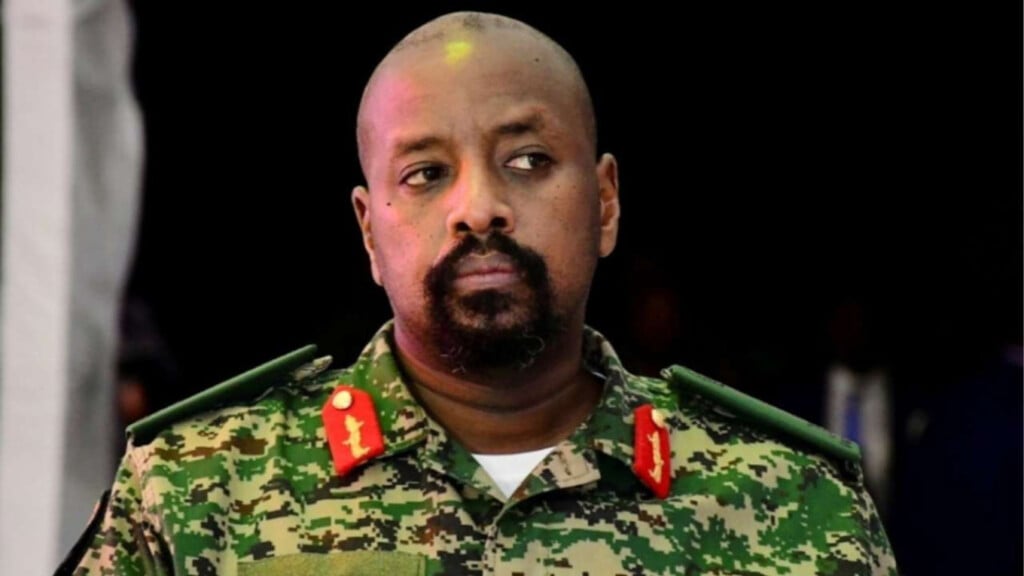
The grim statistics of the post-election purge were revealed via social media by General Muhoozi Kainerugaba, the Chief of Defence Forces and son of President Museveni. In a series of provocative posts on X (formerly Twitter), Kainerugaba labelled opposition activists as “thugs” and “terrorists,” confirming the military’s role in the lethal crackdown.
Uganda Election Crisis: Vital Statistics
| Category | Details |
|---|---|
| Incumbent Winner | Yoweri Museveni (81), 7th Consecutive Term |
| Lead Challenger | Bobi Wine (National Unity Platform) |
| Confirmed Deaths | 30 (Labelled “Terrorists” by Military) |
| Mass Detentions | 2,000+ Opposition Supporters |
| Communication Status | Nationwide Internet Shutdown during Polling |
| Length of Rule | Approximately 40 Years (Since 1986) |
International Condemnation and “Terror” Labels
General Kainerugaba offered no legal or situational context for the 30 deaths, simply stating, “So far, we have killed 30 NUP terrorists.” He further warned that a manhunt is underway for the remaining opposition leadership, promising that the military “will catch them all.” While the government maintains that the violence was instigated by Bobi Wine’s supporters, the NUP argues that security forces have systematically targeted their members for political reasons.
The escalating crisis has drawn sharp criticism from the international community. UN Secretary-General António Guterres, speaking through his spokesperson Stéphane Dujarric, expressed “grave concern” regarding the mass arrests and the loss of life. The UN has urged the Ugandan authorities to uphold the rule of law and respect international human rights obligations, stressing the need for restraint from all parties involved.
The Climate of Fear
For Bobi Wine, the current wave of arrests is part of a broader, long-standing campaign to stifle dissent. He alleges that hundreds of his supporters were “enforcedly disappeared” in the months leading up to the vote. According to human rights monitors, the use of anti-terror rhetoric by the President’s son is a tactical move to justify the extrajudicial killing of political rivals. As Uganda remains under a shadow of military patrols, the prospect of a peaceful democratic transition appears increasingly remote.