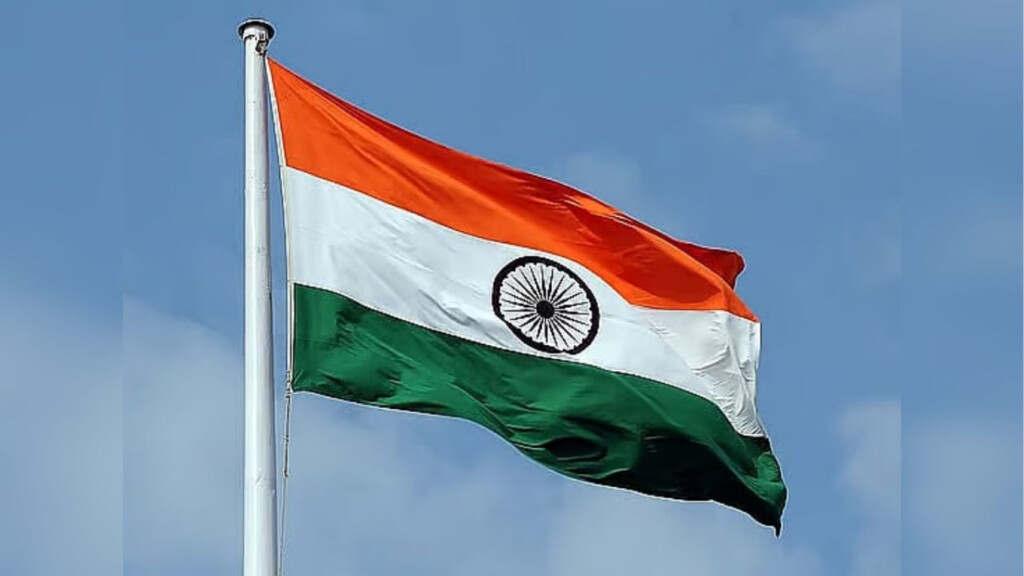
On the occasion of India’s 77th Republic Day, the Union Government has unveiled the recipients of the Padma Shri, the nation’s fourth-highest civilian honour. This year’s list of 45 awardees is distinguished by its focus on “Unsung Heroes”—individuals who have laboured in relative obscurity to effect profound social, cultural, and scientific change. The cohort includes a former bus conductor turned bibliophile, a pioneering paediatrician, and a nonagenarian guardian of tribal melodies.
A Sanctuary for Two Million Books
Among the most inspiring stories is that of Anke Gowda, a 75-year-old resident of Haralahalli village in Karnataka’s Mysuru district. Once a humble bus conductor, Gowda dedicated his life to a singular, monumental mission: democratising knowledge.
He is the founder of ‘Pustaka Mane’ (House of Books), which is now recognised as the world’s largest free-access private library. His collection is staggering, housing over two million books and rare manuscripts spanning 20 different languages. For his lifelong commitment to literacy and his refusal to commodify wisdom, Gowda has been honoured for his extraordinary service to education.
Profiles of Key 2026 Padma Shri Awardees
| Name | Background | Key Contribution |
|---|---|---|
| Anke Gowda | Former Bus Conductor | Founded world’s largest free-access library (2m+ books). |
| Dr Armida Fernandez | Paediatrician | Established Asia’s first human milk bank to save infants. |
| Viklia Ladkya Dhinda | Tribal Musician | Preservation of the endangered ‘Tarpa’ instrument. |
| Social Impact | Diverse Fields | Recognition of 45 “Unsung Heroes” across India. |
Pioneers in Medicine and Culture
The 2026 honours list also shines a spotlight on Dr Armida Fernandez, a Mumbai-based paediatrician whose visionary work has redefined neonatal care in the region. Dr Fernandez established Asia’s first human milk bank, a critical intervention that has significantly improved the survival rates of premature and vulnerable infants by providing essential nutrition when maternal milk is unavailable.
In the realm of cultural preservation, the spotlight falls on 90-year-old Viklia Ladkya Dhinda from Maharashtra. A master of the Tarpa—a traditional wind instrument crafted from dried gourd and bamboo—Dhinda has spent seven decades ensuring the folk heritage of his tribe does not vanish. By teaching younger generations the haunting melodies of the Tarpa, he has bridged the gap between India’s ancient tribal past and its modern future.
The Significance of the Padma Awards
The Padma awards are conferred by the President of India and are classified into three categories: Padma Vibhushan (for exceptional and distinguished service), Padma Bhushan (distinguished service of high order), and Padma Shri (distinguished service). By elevating these grassroots champions, the 2026 awards emphasise that the strength of a nation lies not just in its industrial or political giants, but in those who serve humanity with quiet, relentless dedication.