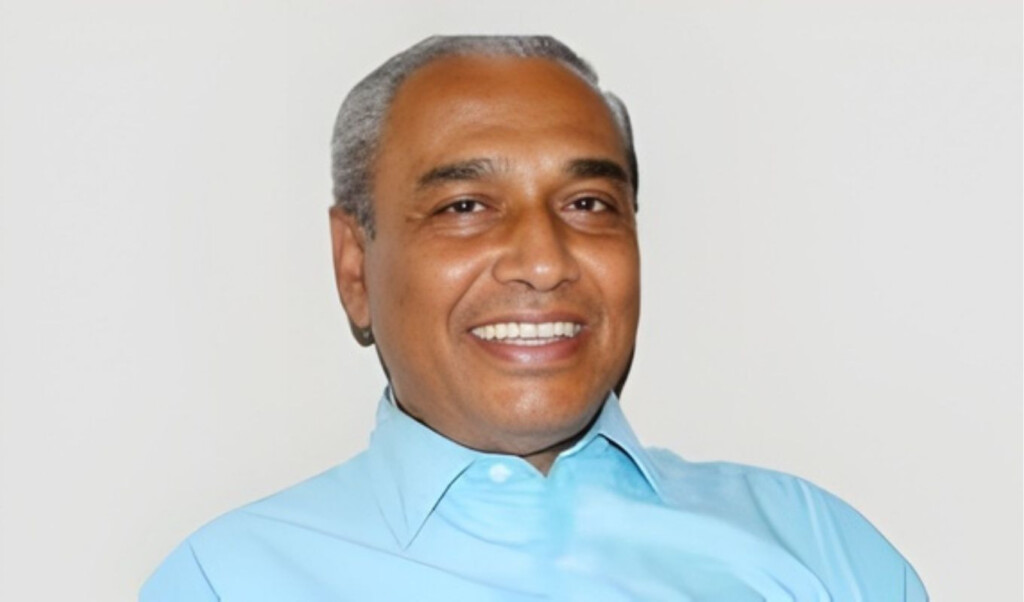
On 26 January 1946, in the heart of Dhaka, a voice was born that would come to echo the spirit of a nation. Indramohan Rajbongshi—singer, sound engineer, folk song collector, and a courageous freedom fighter—was more than an artist; he was a symbol of resilience, courage, and cultural preservation.
Rajbongshi’s journey intertwined music with the struggle for independence. During the bloody Liberation War of 1971, his voice reached from the microphones of the Swadhin Bangla Betar Kendra into the hearts of freedom fighters, inspiring them to persevere against overwhelming odds. His songs were not merely melodies—they were calls to action, imbued with hope and defiance. Through him, the power of the human voice proved as formidable as any weapon on the battlefield.
| Key Life Events | Details |
|---|---|
| Birth | 26 January 1946, Dhaka |
| Early Music Career | Began singing on BTV’s children’s program in 1957 |
| Film Debut | Playback singer in Chena Achena (1967) |
| Role in Liberation War | Sound engineer and singer at Swadhin Bangla Betar Kendra; risked life aiding persecuted minorities |
| Folk Music Contribution | Collected over 100,000 songs across genres such as Bhawaiya, Bhatiyali, Jari, Sari, and Murshidi |
| Leadership Roles | Head of Folk Music Department at Bangladesh College of Music; Founder of Bangladesh Folk Culture Council |
| Recognition | Awarded the Ekushey Padak in 2018 |
| Personal Life | Married to Dipti Rajbongshi; father of Rabin Rajbongshi |
| Demise | 7 April 2021 |
Music ran in Rajbongshi’s veins; five male members of his family were musicians, and he upheld that legacy with unwavering dedication. Beyond his extraordinary career in playback singing for films, radio, and television, he devoted his life to documenting and preserving Bengali folk culture. Travelling across Bangladesh, he collected thousands of songs composed by countless local poets—creating an invaluable archive for future generations.
His mastery extended across nearly all traditional Bengali folk forms, from Bhawaiya and Bhatiyali to Jari, Sari, and Murshidi. Simultaneously, he carved a distinct place for himself in Rabindra Sangeet, earning admiration for his emotive and disciplined performances.
Indramohan Rajbongshi passed away on 7 April 2021, leaving behind a rich legacy of songs, cultural preservation, and inspiration. Yet, his voice continues to live on—in the melodies sung by new generations and in the collective memory of Bengal.
Today, as we remember him, we honour not just a singer but a voice that symbolised freedom, resilience, and the enduring power of folk music.
Tribute: A voice, a struggle, a legacy—forever alive in the heart of Bengal.