Since assuming office, Bangladesh’s interim government has prioritised fiscal restraint to restore economic stability. Numerous announcements were made promoting austerity and expenditure control. Yet, in practice, operational spending has surged, with the most recent fiscal year marking the first instance where government operational expenditure exceeded total revenue collection. This is especially concerning given the significant shortfall in government revenue.
Key Drivers of Operational Expenditure Increase
One of the main contributors to the expenditure surge has been proposals by the National Pay Commission, recommending salary structures for civil servants that more than double certain pay scales. Simultaneously, initiatives such as luxury housing for incoming government ministers have added to projected costs. In the first half of the current fiscal year, the National Board of Revenue (NBR) reported a revenue shortfall of approximately BDT 46,000 crore relative to targets. Economists warn that these decisions may burden the incoming elected government with substantial additional costs.
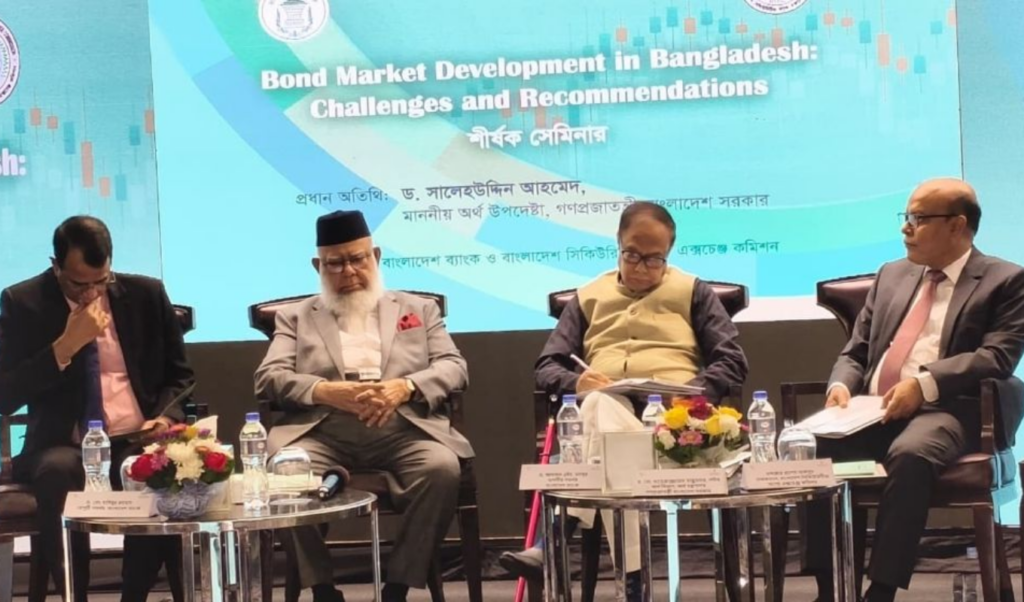
Dr Salehuddin Ahmed, Economic Adviser, emphasised the importance of financial planning, stating, “Major decisions must be underpinned by thorough fiscal analysis and resource mobilisation strategies. The government is aware of how to source the required funds.”
Past Decisions and Fiscal Implications
Following its assumption of office on 8 August 2024, the interim government issued numerous directives aimed at curbing expenditure. However, operational budgets saw continuous increases beyond these guidelines. Notable measures included:
Late 2024: Proposal of a 20% hardship allowance for government employees (later cancelled after criticism).
July 2025: Special financial benefits of 10–15% were implemented based on grade.
Retroactive Promotions: In February 2025, 764 retired officials were granted retroactive promotions, including 119 elevated to secretary-level positions.
Other expenditure-raising decisions included increases in training allowances, risk allowances for police, and foreign allowances for diplomatic staff, collectively adding thousands of crores annually.
Overview of Recent Pay and Allowance Adjustments
| Measure | Beneficiaries | Increase / Benefit | Estimated Additional Annual Cost (BDT) |
|---|---|---|---|
| Special financial allowance | Civil servants (grade-based) | 10–15% | – |
| Training allowance | Trainees / Trainers | Up to 100% / 50% | – |
| Police risk allowance | Constables to SI/Sergeants | 20% | 100 crore |
| Village police salary | Village constables | 1,000 BDT; Pension +20,000 BDT | – |
| Foreign allowance | Diplomats (60 missions) | 20–33% | 35 crore |
| Pay Commission proposal | Civil servants | Up to 142% | 106,000 crore (if fully implemented) |
Budgetary Implications
For FY 2025–26, the interim government announced a budget of BDT 7,90,000 crore. Within this, operational expenditure allocations were increased by BDT 28,000 crore, while development spending was reduced by BDT 30,000 crore. Just civil service pay and allowances now account for an additional BDT 22,000 crore. By September 2025, operational expenditure for the first three months stood at BDT 90,597 crore, representing 11.47% of the total budget, compared to 10.23% in the previous year.
Former Finance Secretary Mahbub Ahmed noted that using revenue to cover operational expenditure beyond collection levels is highly concerning. “Such an approach has not been seen since the 1990s. Reducing development expenditure to accommodate rising operational costs is illogical. The government should prioritise development spending to support GDP growth and employment,” he warned.
Expert Opinions
Experts argue that despite pledges to curb spending, the interim government is behaving akin to a political administration pre-election, allocating lavish benefits for future ministers. Dr Selim Raihan of Dhaka University commented, “Increasing operational expenditure while curtailing development expenditure is unjustifiable during economic strain. The government should focus on welfare-oriented spending rather than luxury provisions.”
The pattern of rapidly increasing operational expenditure amidst revenue shortfalls raises serious questions about fiscal prudence and the sustainability of current policies.