Today, 27 January, marks a somber chapter in the annals of South Asian history—the Salanga Uprising of 1922, a day when thousands of unarmed people fell victim to the brutal policies of British colonial rule. Historical accounts indicate that on this day, nearly 4,500 people, including swadeshi (indigenous) activists and ordinary villagers, were shot dead in Salanga Bazaar, then part of Sirajganj district, as part of a campaign to suppress the boycott of British goods.
The subcontinent in 1922 was a cauldron of anti-colonial fervour. The Non-Cooperation Movement and the Khilafat Movement were sweeping through Bengal, uniting all strata of society in a call for swadeshi practices and a rejection of foreign commodities. Salanga, a thriving market town where fairs were held twice weekly, became a focal point of this movement.
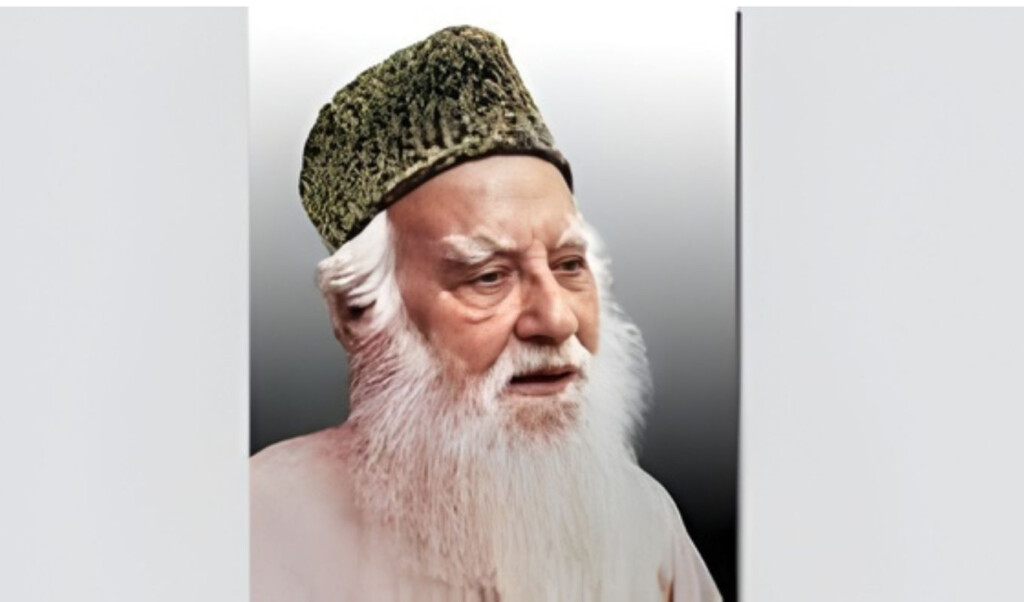
On Friday, 27 January 1922, under the leadership of Maulana Abdur Rashid Tarkabagish, activists descended on the bazaar to halt the sale of British-made goods. Their protest was entirely peaceful. Yet, the colonial authorities, unwilling to tolerate dissent, acted swiftly. Around forty armed policemen wearing red turbans, led by Pabna District Magistrate R.N. Das, District Superintendent of Police, and Sirajganj Subdivisional Officer S.K. Sinha, were deployed to control the situation.
The revolutionaries’ office, located near the local cattle market, was surrounded, and Maulana Tarkabagish was arrested. News of his detention spread rapidly, prompting a protest march demanding his release. The protest quickly escalated into a full-scale uprising. Overwhelmed by the sheer force and anger of the crowd, the magistrate ordered the opening of fire, and bullets rained indiscriminately upon the crowd. Remarkably, of the forty rifles deployed, only one rifle failed to fire—the weapon of a Brahmin policeman who refused to shed innocent blood.
The precise death toll remains uncertain, yet historical records affirm that Salanga’s soil was soaked in the blood of martyrs. The uprising shook the foundations of colonial authority, sending ripples across the broader struggle for independence in the subcontinent. The bravery and sacrifice of the Salanga martyrs laid the groundwork for subsequent achievements in India’s non-violent resistance movements.
| Event | Details |
|---|---|
| Date | 27 January 1922 (Friday) |
| Location | Salanga Bazaar, Sirajganj District |
| Leadership | Maulana Abdur Rashid Tarkabagish |
| Cause | Protest against British goods; Swadeshi movement |
| Colonial Response | 40 armed policemen; arrest of Maulana Tarkabagish |
| Casualties | Estimated ~4,500 unarmed civilians |
| Notable Fact | One rifle refused to fire – held by a Brahmin policeman |
Today, as we commemorate this historic day, we honour the memory of all those who fell in Salanga. Their courage and sacrifice remain a testament to the resilience of the human spirit and a guiding light for generations committed to justice and freedom. May the souls of the martyrs rest in peace.