Fifteen years have passed since the Arab Spring first erupted in Egypt, yet a striking question remains: how many of today’s Egyptians truly remember the uprising that brought down President Hosni Mubarak? For millions, particularly the country’s vast youth population, the dramatic events of 2011 are not lived memories but stories inherited from parents, teachers and digital archives.
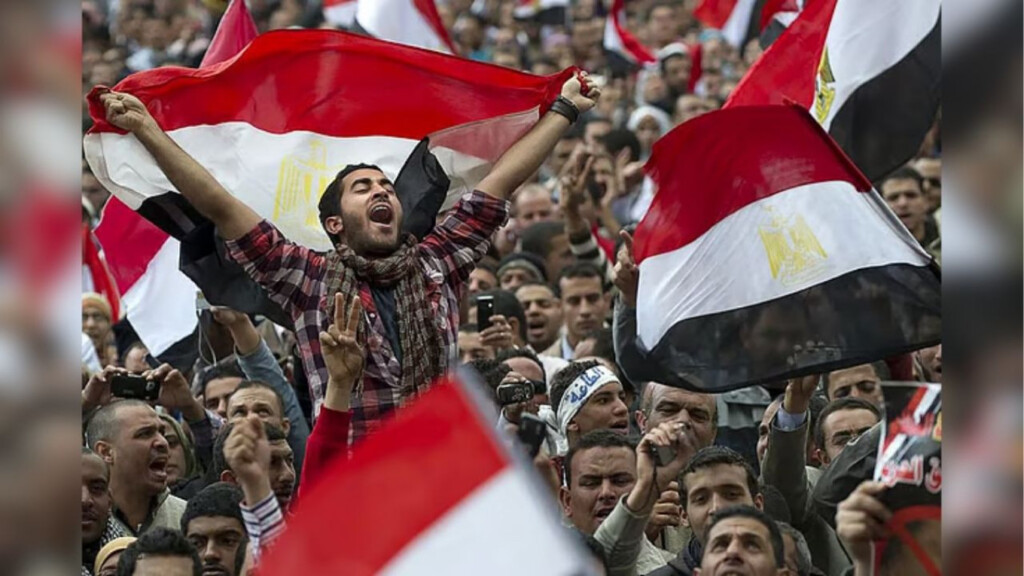
Inspired by the successful popular revolt in Tunisia that ousted President Zine El Abidine Ben Ali just 11 days earlier, Egyptians poured onto the streets in January 2011 demanding dignity, jobs and political freedom. What followed was an 18-day mass uprising against unemployment, poverty and repression, culminating in Mubarak’s resignation after nearly three decades in power.
Egypt is one of the youngest countries in the world. The average age is around 24, and more than half of the population is under that threshold. Approximately 37 million people—about 31 per cent of the population—are under the age of 15. For this generation, the Arab Spring is a defining historical episode they have learned about rather than experienced.
A changing demographic and economic picture
According to World Bank data, Egypt’s population stood at around 83 million in 2011. At that time, unemployment was approximately 12 per cent, per capita GDP was about USD 2,590, and the exchange rate hovered around 5.8 Egyptian pounds to the dollar. Fifteen years on, the population has surged to roughly 120 million, an increase of nearly 37 million people.
While headline unemployment has fallen to a record low of 6.4 per cent, economic pressures remain acute. Per capita GDP has risen to around USD 3,339, yet sharp currency devaluation—now nearing 47 pounds to the dollar—has significantly eroded purchasing power. Young people continue to bear the brunt: unemployment among those aged 15 to 29 remains high at nearly 14.9 per cent.
The Economic Research Forum estimates that Egypt needs to create 1.5 million new jobs each year, but over the past two decades, annual job creation has averaged just 600,000. At present, around 3.6 million students are enrolled in universities and technical institutes, with government plans to increase this to 5.6 million by 2032 to meet the needs of a modern economy.
The 18 days that reshaped Egypt
The Arab Spring in Egypt officially began on 25 January 2011, when mass protests erupted nationwide. Social media and mobile phones played a pivotal role, allowing protesters to share images and videos with the world in real time.
Key moments included the “Day of Rage” on 28 January, violent clashes around Tahrir Square on 2 February, and Mubarak’s final televised address on 10 February, when he vowed to remain in office until September—only to resign the following day.
Key events of Egypt’s Arab Spring
| Date | Event |
|---|---|
| 25 January 2011 | Nationwide protests demand Mubarak’s resignation |
| 28 January | Mass march to Tahrir Square after Friday prayers |
| 2 February | Violent clashes involving pro-Mubarak supporters |
| 10 February | Mubarak refuses to resign, angering protesters |
| 11 February | Mubarak resigns; power handed to the military |
A regional youth phenomenon
Egypt was not alone. Tunisia, Libya, Syria and Yemen—all countries shaken by the Arab Spring—also have disproportionately young populations. In Yemen, 41 per cent of citizens are under 15, while Syria, Libya and Tunisia report similarly high youth shares.
As Egypt marks more than a decade since Mubarak’s fall, the Arab Spring remains both a lived memory for some and a historical lesson for others—one whose meaning continues to evolve as a new generation confronts its own economic and political realities.