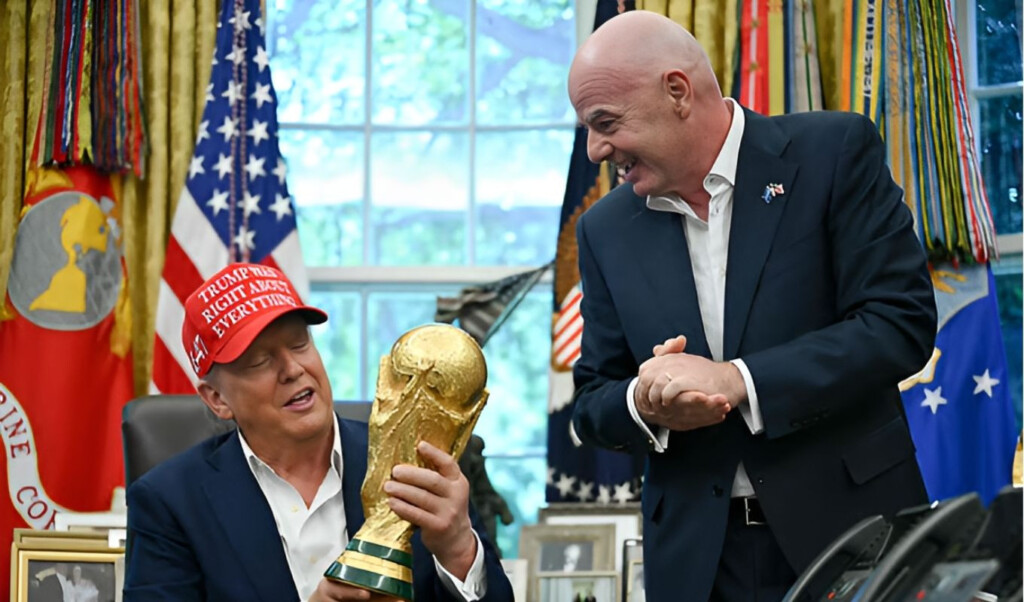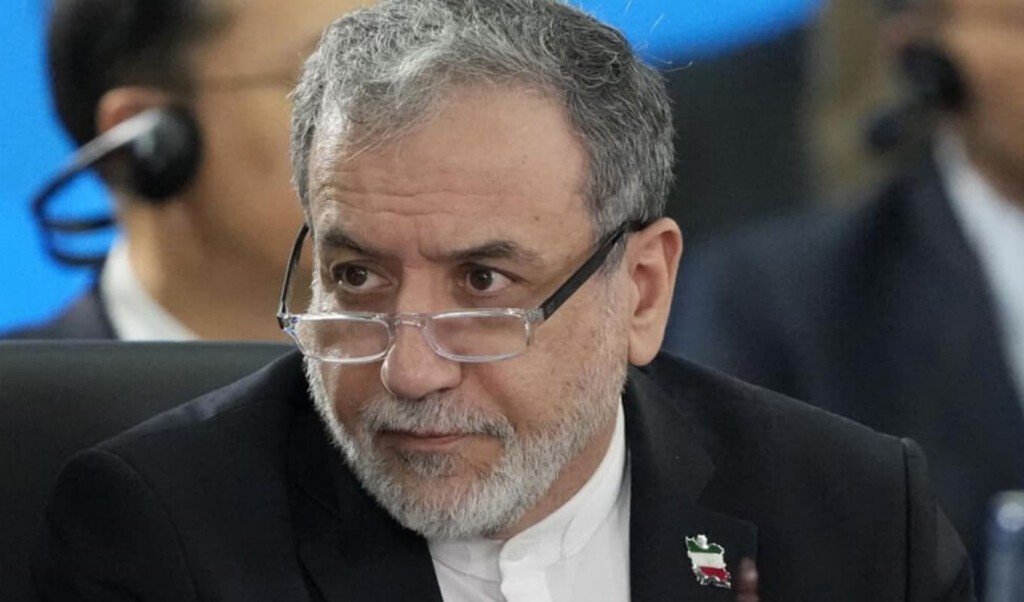
Tensions between the United States and Iran have escalated sharply over nuclear issues, intensifying an already volatile geopolitical landscape in the Middle East. While U.S. President Donald Trump issued stern ultimatums targeting Tehran, Iranian authorities have unequivocally rejected any form of coercion or threats. Tehran has emphasised that it will not bow to pressure, but remains open to “respectful and fair” negotiations.
President Trump recently announced the deployment of significant U.S. naval and military assets to the Middle East, warning that time is running out to reach an agreement on Iran’s nuclear programme. He cautioned that, should talks fail, any U.S. military action could be more severe than previously encountered. On social media, Trump stated that a “powerful naval fleet” is advancing rapidly towards Iranian waters, capable of executing any orders promptly.
Responding firmly, Iranian Foreign Minister Abbas Araghchi declared that the country’s armed forces are at maximum readiness and would respond swiftly and decisively to any act of aggression. He stressed, however, that Iran does not seek war, and is committed to achieving a nuclear agreement grounded in mutual respect and international law.
Meanwhile, U.S. Secretary of State Marco Rubio commented on Iran’s internal political and economic state, describing the current regime as historically weak and the economy as deeply troubled. He suggested that any significant shifts in the balance of power could introduce uncertainty over the nation’s future political leadership.
Iran’s mission to the United Nations issued a statement asserting that entering negotiations should not be perceived as weakness. The statement warned that if external powers attempt to force Iran into decisions, Tehran may adopt unprecedented defensive and retaliatory measures on the international stage.
The current positions of the United States and Iran can be summarised as follows:
| Issue | United States Position | Iran’s Position |
|---|---|---|
| Nuclear Agreement | Urgent resolution demanded; threats issued | Seeks fair and equitable agreement |
| Military Preparedness | Naval and armed forces deployed | Full combat readiness |
| Negotiation Conditions | Imposed pressure and deadlines | Dialogue free from coercion |
| Potential Outcome | Warning of severe attack | Threat of unprecedented countermeasures |
Analysts warn that the escalating confrontation is not merely bilateral but could significantly impact the stability of the entire Middle East. Consequently, diplomatic engagement, rather than threats or displays of force, is increasingly viewed by the international community as the safest and most constructive path forward.