The arrival of February on the English calendar awakens deep-seated memories of defiance, pride, and sacrifice in the hearts of Bengalis. For them, February is far more than just a month; it is a time to reflect on identity, trace cultural roots, and honour the history of selfless struggle.
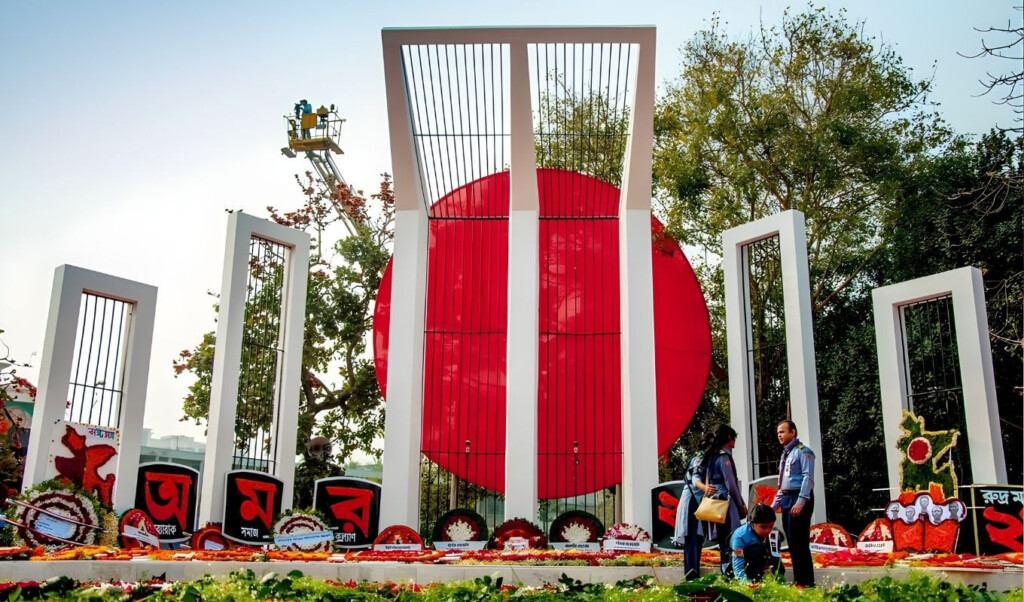
On 21 February 1952, the streets of Dhaka became the stage for a historic stand as Bengali students and activists laid down their lives demanding the right to speak and learn in their mother tongue, Bangla. The crimson-streaked demonstrations, echoing with slogans and resonating with the collective heartbeat of a nation, cemented Bangla not only as a language but as the living emblem of Bangladesh’s national identity.
Over the decades, the legacy of this language movement has transcended national boundaries. Today, 21 February is observed worldwide as International Mother Language Day, recognised by UNESCO, as a symbol of the universal value of linguistic diversity and the struggle to preserve mother tongues. The courage and resilience demonstrated by the Bengali people have become a unique source of global admiration, highlighting the universal human right to linguistic and cultural identity.
Despite the evolution of language, the debates over usage, and the influence of globalisation, one truth remains eternal: Bangla is the heartbeat of the Bengali people, a vessel of their history, literature, and collective consciousness. February’s arrival each year reminds new generations of their duty to uphold and cherish this legacy, ensuring that the language continues to thrive for centuries to come.
The significance of February is also embedded in cultural expression, literature, and national ceremonies. From commemorative processions to educational programmes, from literary recitals to public discussions, the month reinforces a sense of pride in linguistic heritage and a commitment to passing it on to future generations.
Key Milestones of the Bengali Language Movement
| Year | Event | Significance |
|---|---|---|
| 1948 | Urdu declared state language | Sparked initial protests in Dhaka |
| 1952 | 21 February | Martyrs laid down lives for Bangla recognition |
| 1956 | Bangla becomes state language | Official recognition of Bengali in Pakistan Constitution |
| 1999 | UNESCO declares 21 Feb International Mother Language Day | Global recognition of linguistic diversity |
| 2026 | 74th anniversary | Nationwide and international celebrations continue |
As the wheel of time turns, February returns each year with renewed brilliance, reminding the world of a millennium-old linguistic heritage carried forward from generation to generation. For Bengalis everywhere, it is a month of reflection, reverence, and reaffirmation—a celebration of the indomitable spirit of their beloved mother tongue.